


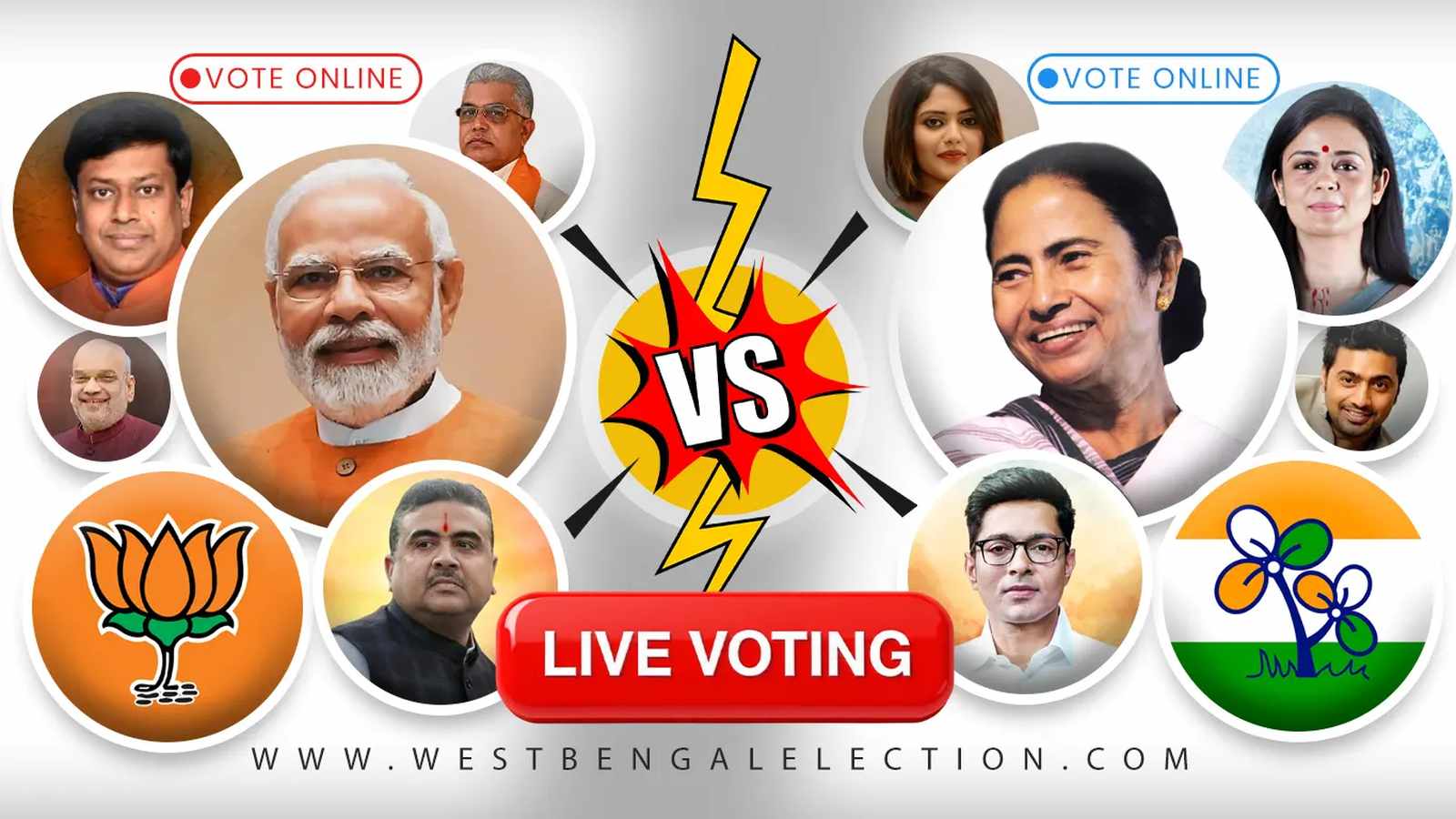
NEW DELHI (Azat TV) – As voting concludes in West Bengal, one of India’s most fiercely contested political battlegrounds, NDTV has launched an intensive, multi-platform coverage strategy to navigate the uncertainty surrounding the state’s electoral outcome. Following the release of exit poll projections that suggest a potential shift in power, the network is recalibrating its programming to focus on the data-driven narratives and ground-level voter sentiment that define this election cycle.
Data-Driven Projections and the Bengal Contest
Exit polls have presented a complex picture of the West Bengal assembly elections, with multiple agencies forecasting a significant challenge to the incumbent Trinamool Congress (TMC). Agencies such as Praja Poll and P-Marq have projected the Bharatiya Janata Party (BJP) to cross the majority threshold, with estimates suggesting between 150 and 208 seats for the party. Conversely, some projections, including those from Peoples Pulse, maintain that the TMC could retain its stronghold with up to 187 seats. This divergence has placed the spotlight firmly on NDTV’s “The Numbers Game,” which aims to provide clarity by analyzing voter rolls, swing margins, and turnout patterns.
Immersive Reporting and the Ground Reality
Under the leadership of Group CEO and Editor-in-Chief Rahul Kanwal, the network has transitioned from traditional studio-based debates to immersive formats. Shows like “Chai Stop” attempt to capture the local political mood by relocating discussions to public spaces, such as tram rides and tea stalls. This approach is supplemented by “Walk The Talk,” which features on-the-ground interviews with key political figures, including Suvendu Adhikari and Babul Supriyo. The network’s coverage is further bolstered by the “5 Ms” framework—Mahila, Minority, Majority, Mamata, and Modi—introduced by correspondent Manogya Loiwal to synthesize the complex sociopolitical factors influencing the Bengal electorate.
Institutionalizing the Campaign Framework
The intensity of the current coverage coincides with a broader shift in Indian political strategy, as the BJP recently signaled the commencement of its 2027 assembly election preparations. According to sources within the party, newly appointed president Nitin Nabin has initiated an early organizational blueprint, emphasizing booth-level committee strengthening and continuous, year-round political engagement. This move toward a permanent campaign model highlights the stakes for news networks like NDTV, which must now balance immediate election reporting with the analysis of a political landscape that never enters a cooling-off period.
The heightened reliance on granular exit poll data and localized ground reporting reflects a strategic pivot in broadcast journalism, where the ability to interpret regional identity politics and shifting voter demographics has become as critical as reporting the final seat tallies themselves.