


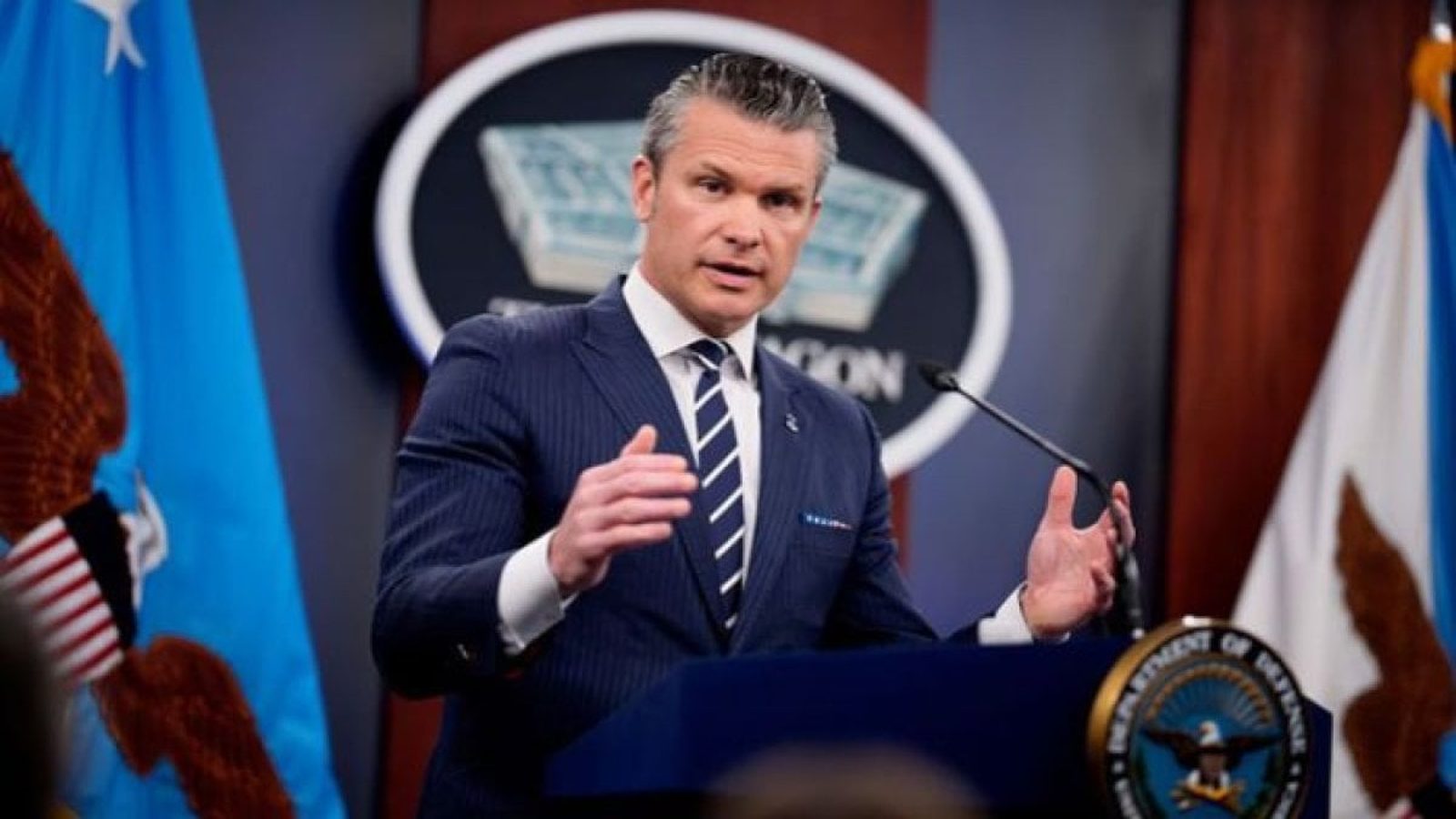
Hegseth Restricts Canada Military Ties: Pentagon Issues Secret Directive
On November 20, 2026, it was confirmed that U.S. Secretary of Defense Pete Hegseth issued a classified directive imposing new limitations and conditions on bilateral U.S.-Canada military engagements. This secret memorandum, which had been circulating within the Pentagon for approximately one week prior to its public disclosure, represents a notable pivot in the operational tone between the two North American allies. While the core security architecture—specifically the North American Aerospace Defense Command (NORAD) and NATO commitments—remains formally intact, the directive introduces a layer of bureaucratic friction that has prompted concern in Ottawa and among various defense observers.
The Nature of the Directive and Pentagon Rationale
The directive, as reported by the Washington Post and subsequently corroborated by multiple officials, serves as a mechanism to ensure that bilateral engagements are strictly aligned with tangible U.S. defense objectives. Pentagon spokesman Sean Parnell emphasized that the Department of Defense is prioritizing activities that strengthen homeland and hemispheric security, while simultaneously pressuring Canada to meet its long-standing NATO spending commitments. The guidance effectively mandates that U.S. military personnel seek explicit authorization before attending certain social events, think-tank conferences, or general flag officer meetings that do not directly advance Department of War objectives. Republican Senator Mike Rounds, who sits on the Senate Armed Services Committee, confirmed the existence of the memo, noting that while the measures were drafted months prior, they are intended to serve as a pressure point regarding Canadian defense budget allocations.
A Calculated Diplomatic Lever
The timing of the directive suggests it functions as a calculated diplomatic lever rather than a fundamental decoupling of security interests. By narrowing the scope of non-essential interactions, the administration is signaling a shift toward an ‘America First’ approach to military partnerships, where bilateral engagements are subjected to rigorous cost-benefit analyses. Democratic Senator Chris Coons expressed frustration over the move, describing it as an ‘unnecessary insertion of a negative tone’ at a time when global adversaries—including Iran, North Korea, China, and Russia—are increasing their own cooperation. For the Canadian government, led by Prime Minister Mark Carney, the challenge is to navigate these administrative hurdles while maintaining the deep, long-standing interoperability that is essential for continental defense.
Operational Reality vs. Diplomatic Friction
Despite the rhetoric, the practical impact on day-to-day operations remains a subject of ongoing scrutiny. Canadian Minister of National Defence David McGuinty stated that his government was not aware of the directive until it was reported, and he emphasized that Canadian and U.S. forces continue to work ‘hand-in-glove’ on missions, including anti-narcotics operations in the Caribbean and integrated air and missile defense. Sources within the Canadian military have noted that they have seen no evidence of these restrictions being applied at an operational level thus far. Furthermore, analysts point out that it would be counter-productive for Washington to restrict access to U.S.-made weapons systems or intelligence-sharing frameworks that are critical to U.S. security interests themselves.
Broader Context of Strained Relations
This policy shift occurs against a backdrop of complex and increasingly strained relations between Washington and Ottawa. The bilateral relationship is currently grappling with retaliatory tariffs, disagreements over Arctic sovereignty, and public statements from the White House regarding the future of the Canada-U.S. partnership. A Five Eyes intelligence alliance official noted that U.S. data-sharing across various channels has already experienced a notable decline over the past year, suggesting that the classified memo may serve to formalize an existing trend of reduced transparency. This development is further complicated by reports from early 2026 indicating that the Canadian military had, for the first time in over a century, conducted simulations regarding a hypothetical response to a potential U.S. invasion, an assessment that was officially characterized as a low-probability, long-term contingency planning exercise.
Future Outlook and Strategic Implications
As the Pentagon continues to refine its engagement criteria, Canadian officials are likely to face increased scrutiny regarding their defense budget allocations. While Prime Minister Carney has publicly committed to hitting NATO spending targets and has indicated a desire to diversify Canada’s procurement and trading relationships, the U.S. administration appears increasingly comfortable using security access as a bargaining chip. The directive does not currently indicate a withdrawal from established treaties, but it effectively lowers the ceiling for the depth and breadth of the U.S.-Canada security partnership. Ottawa must now decide how to balance its strategic autonomy with the reality of an increasingly transactional security relationship with its southern neighbor. The ambiguity surrounding the classified document leaves open questions about the future of training exchanges, joint defense planning, and the long-term sustainability of the current bilateral framework if trade and political tensions continue to escalate.
Reporting source: thenews.com.pk.