


The Crusade to Switch 2: Technical Specifications and Parity
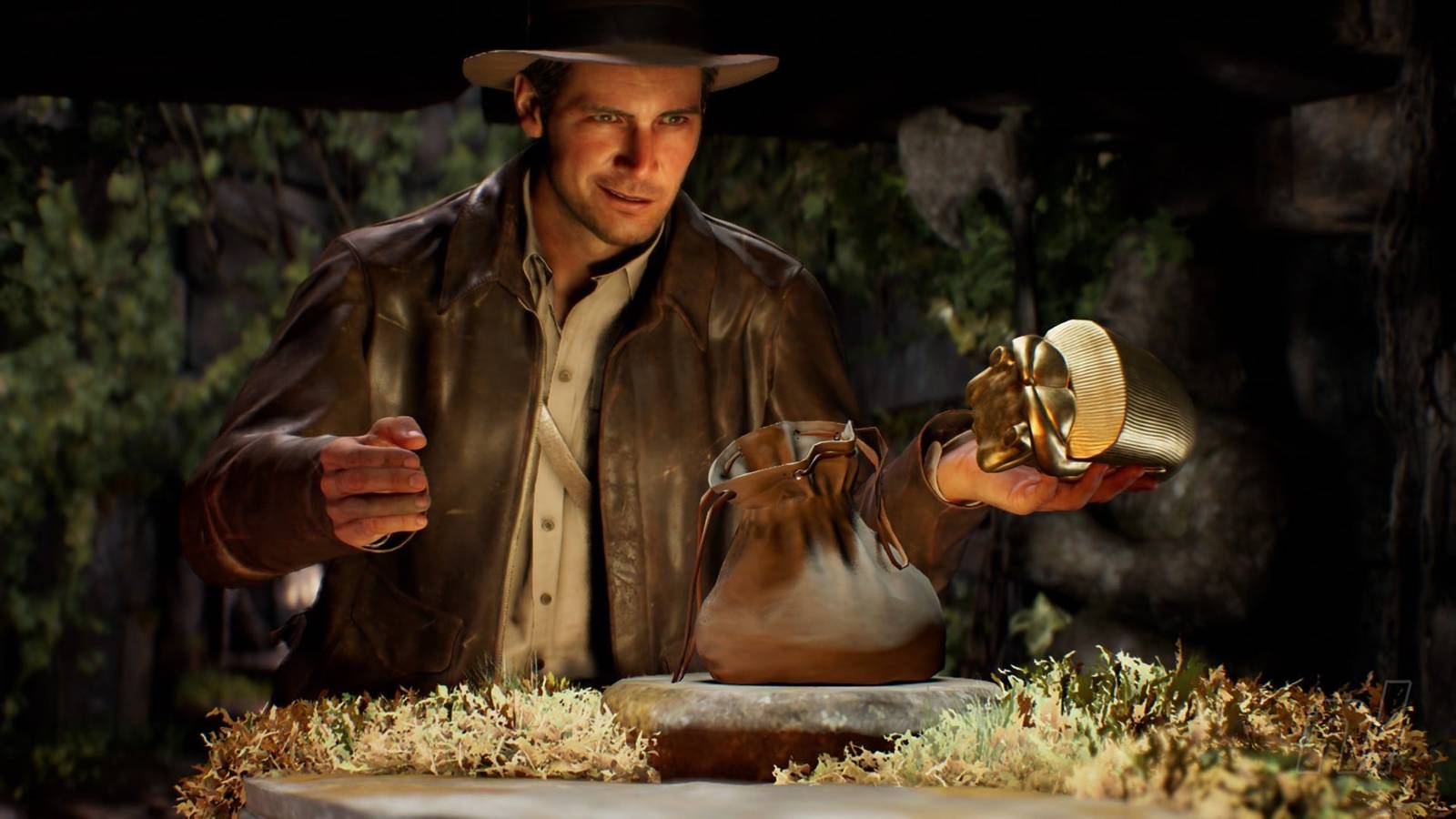
The digital landscape for the Indiana Jones intellectual property (IP) is undergoing a significant expansion as MachineGames prepares for the May 12, 2026, release of Indiana Jones and the Great Circle on the Nintendo Switch 2. This launch follows the title’s initial debut on Xbox and PC in 2024 and its subsequent PlayStation 5 release. The move to Nintendo’s next-generation hardware represents a critical strategic pivot for Bethesda and Lucasfilm Games, aiming to capture a broader demographic of portable console users. According to Axel Torvenius, Creative Director at MachineGames, the porting process was handled entirely in-house, emphasizing a commitment to maintaining a ‘one-to-one’ content parity with more powerful hardware (Norman, 2026).
Technically, the Switch 2 version is designed to match the visual fidelity of the Xbox Series S, albeit with specific performance constraints. The most notable adjustment is the implementation of a 30 frames-per-second (FPS) cap. While the PS5 and Xbox Series X versions target higher refresh rates, Torvenius notes that the 30 FPS lock ensures a stable and smooth experience on the portable device. Optimization efforts by the engineering team have focused on preserving torch-lit puzzle environments and densely packed open areas without simplifying core mechanics. The only recorded compromise involves a minor reduction in the number of non-playable characters (NPCs) in specific background environments to maintain performance stability during intensive sequences.
Creative Preservation and the Performance of Troy Baker
A central challenge in the development of The Great Circle was the preservation of the tone established by the original cinematic trilogy, specifically Raiders of the Lost Ark and The Temple of Doom. MachineGames opted for a faithful recreation of the 1930s-era Indiana Jones, prioritizing the ‘smirk’ and physical mannerisms defined by Harrison Ford. The casting of Troy Baker was pivotal in this regard. Baker’s performance was not merely an impression but a complete motion-capture and vocal realization that bridged the gap between cinematic nostalgia and modern gaming immersion. The studio noted that Baker’s dedication extended beyond standard requirements, contributing to narrative beats that define this original story within the established timeline.
The game also features a significant performance by the late Tony Todd as the character Locus. Torvenius highlighted that Todd’s audition was selected for its unique character depth, moving away from generic antagonist tropes. The preservation of Todd’s performance serves as a testament to the long production cycle and the studio’s focus on high-caliber voice acting as a pillar of their narrative-driven titles. This focus on institutional memory and performance quality is intended to position The Great Circle as a definitive entry in the franchise’s history, rather than a mere spin-off.
Physical Media and Market Strategy
In an era increasingly dominated by digital distribution, Bethesda has made the strategic decision to release Indiana Jones and the Great Circle on a full physical cartridge for the Switch 2. This marks a departure from the ‘code-in-a-box’ or partial-download models that have become common for high-capacity titles. The decision was driven by internal studio sentiment and a recognition of the collector market within the gaming community. By providing a complete ‘on-cart’ experience, the developers aim to ensure the game’s longevity and physical presence on retail shelves, which remains a significant factor for Nintendo’s consumer base.
Furthermore, the Switch 2 version will leverage platform-specific features such as gyro controls and enhanced aim-assist for mouse support. These additions are designed to offer a distinct gameplay feel compared to the standard controller schemes of the Xbox and PlayStation versions. The integration of these features suggests that the Switch 2 port is not merely a technical necessity but a tailored experience intended to maximize the unique hardware capabilities of the upcoming console.
Project Fedora: Disney’s Transmedia Expansion
Parallel to the gaming developments, the Indiana Jones IP is seeing renewed activity within Disney’s physical locations. Recent permit filings for ‘Project Fedora’ at Disney’s Hollywood Studios indicate new construction directly outside the Indiana Jones Epic Stunt Spectacular theater (WDWNT, 2026). The permits, filed by Disney’s Facility Asset Management, suggest the installation of a new merchandise or snack kiosk in a space that has been vacant since 2020. While these permits are often maintenance-focused, the timing aligns with a broader push for the franchise, including the ongoing construction of an Indiana Jones-themed attraction at Disney’s Animal Kingdom to replace the DINOSAUR ride.
The revitalization of these physical spaces, combined with the multi-platform expansion of The Great Circle, points to a coordinated effort by Disney and Lucasfilm to maintain the relevance of the Indiana Jones brand. As the franchise transitions away from new cinematic releases following 2023’s The Dial of Destiny, the focus has shifted toward interactive entertainment and themed environments. This multi-pronged approach ensures that the IP remains a cornerstone of Disney’s portfolio, catering to both long-term fans and new audiences introduced through modern gaming platforms.
The strategic deployment of Indiana Jones and the Great Circle onto the Switch 2 highlights a sophisticated approach to IP management, where technical optimization meets creative fidelity. By ensuring content parity across hardware generations, MachineGames and Bethesda are effectively future-proofing the franchise’s digital legacy. Simultaneously, Disney’s ‘Project Fedora’ and other park updates suggest that the physical and digital expressions of the IP are being synchronized to maximize consumer engagement. As the industry moves toward more integrated transmedia experiences, the resilience of the Indiana Jones brand serves as a case study in how legacy franchises can adapt to new hardware realities without losing their core identity.