

Quick Read
- Intel beat Q3 revenue estimates, posting $13.65 billion versus $13.14 billion expected.
- The U.S. government now owns a major stake in Intel after an $8.9 billion investment.
- Intel’s stock jumped 6% in after-hours trading on the news.
- Nvidia invested $5 billion in Intel, leading to new AI-focused partnerships.
- Intel’s workforce dropped to 88,400 from 124,100 last year.
U.S. Government Investment Propels Intel Into New Era
In a move that has sent ripples through Silicon Valley and Wall Street alike, Intel’s third-quarter earnings report revealed not just a return to growth, but a profound shift in its ownership structure. The U.S. government, via an $8.9 billion investment negotiated by the Trump administration in August, now stands as Intel’s largest shareholder. Purchasing 433.3 million shares at $20.47 each, the government’s involvement is part of a broader push to restore American leadership in semiconductor manufacturing—a sector at the heart of global technology competition.
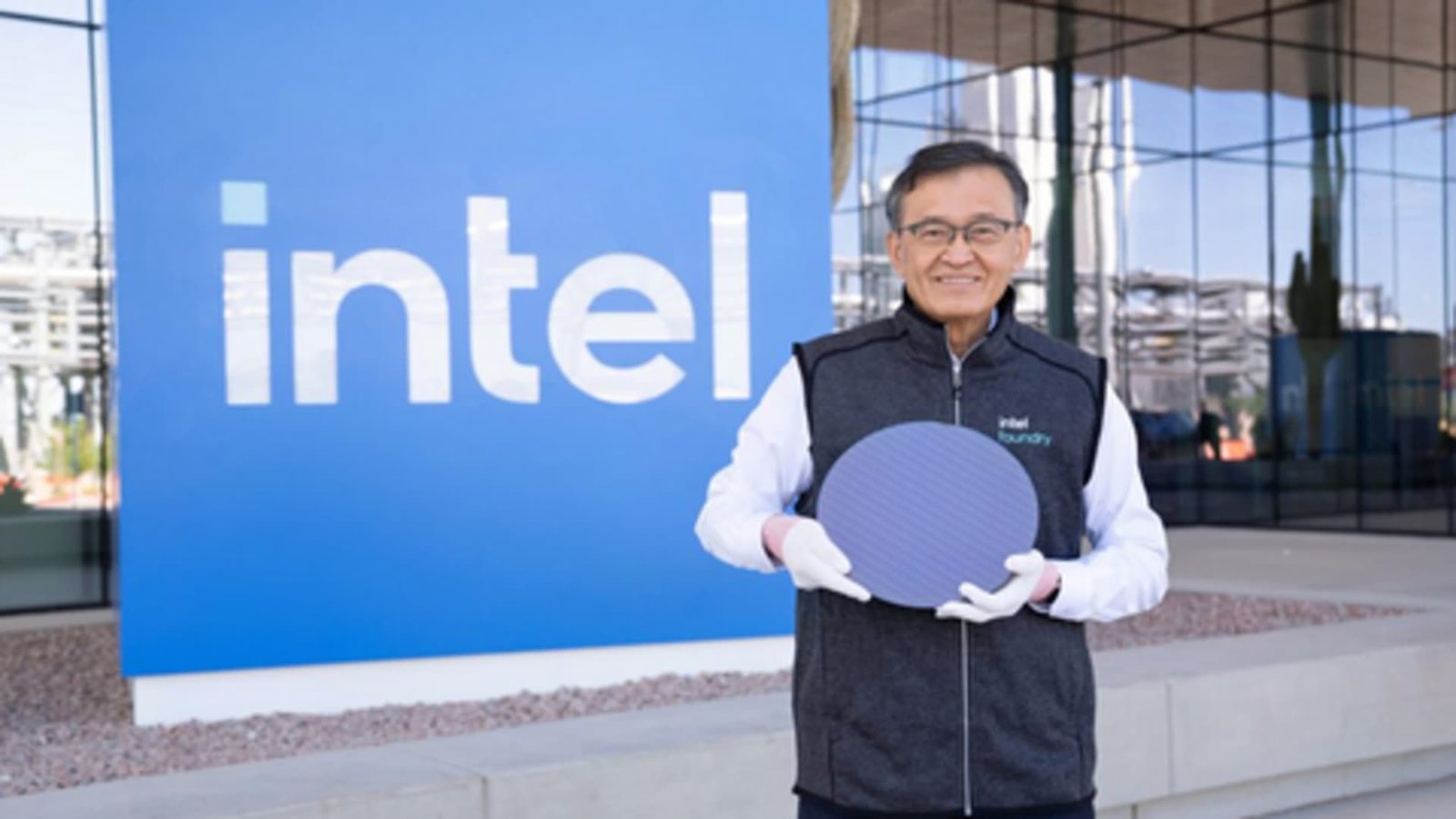
CEO Lip-Bu Tan, addressing investors outside Intel’s Ocotillo campus in Chandler, Arizona, underscored the historic nature of this partnership: “We are fully committed to advancing the Trump administration’s vision to restore semiconductor production and proudly welcome the US government as an essential partner in our efforts.” Tan’s words reflect both pride and a sense of responsibility, as Intel embarks on a journey that could reshape the global chip landscape.
Financial Results Outpace Expectations, Stock Jumps
Intel’s results for the third quarter showcased a company regaining its footing. Revenue hit $13.65 billion, beating the $13.14 billion anticipated by analysts. While the adjusted earnings per share (EPS) was 23 cents, Intel recorded a per-share loss of 37 cents—an accounting move to reflect shares in escrow for the government’s investment. Net income reached $4.1 billion, a dramatic turnaround from a $16.6 billion loss in the same period last year.
The immediate market response was electric: Intel’s stock soared by 6% in after-hours trading. This surge was more than just a reaction to numbers; it reflected renewed confidence in Intel’s strategic direction, fueled by both public sector support and recovery in demand for its core x86 processors.
Strategic Alliances: Nvidia Partnership and Product Innovations
Beyond the headline numbers, Intel’s third quarter was marked by bold strategic moves. In September, the company secured a $5 billion investment from Nvidia—a former rival turned collaborator. The deal paves the way for integration between Intel’s CPUs and Nvidia’s AI graphics processors, which currently dominate 90% of the artificial intelligence chip market. The hope? To spark new growth in Intel’s data center CPU business, which saw sales slip 1% year-over-year to $4.1 billion.
On the consumer front, Intel’s Client Computing Group—which includes chips for PCs and laptops—reported robust sales of $8.5 billion, up 3% annually. Meanwhile, Intel’s most advanced chips, built on the 18A process node, began production in Arizona, signaling the company’s determination to reclaim technical leadership in chip manufacturing.
Intel Foundry: The Road Ahead
Investors and industry insiders alike are watching the evolution of Intel Foundry, the division responsible for manufacturing chips not just for Intel, but for other firms. With $100 billion in capital investment needed and no major external customers yet secured, the foundry’s future remains one of the industry’s biggest questions. During the quarter, foundry sales totaled $4.2 billion, all of it stemming from Intel’s internal production needs—a slight 2% dip from the previous year.
Despite these challenges, Intel’s leadership sees opportunity. The U.S. government’s stake and Nvidia’s collaboration could be the catalysts needed to attract new clients and accelerate innovation. As Tan and his team navigate regulatory complexities—including ongoing discussions with the Securities and Exchange Commission about the accounting treatment of the government’s stake—the pressure is on to deliver results that justify these transformative bets.
Restructuring and Workforce Changes
The scale of Intel’s ambitions is mirrored by significant changes within the company. Headcount now stands at 88,400 employees, a sharp reduction from 124,100 a year ago. This streamlining reflects a broader industry trend toward leaner operations, but also underscores the challenges of adapting to volatile market dynamics and large-scale investments.
Intel’s outlook for the fourth quarter remains cautiously optimistic. The company forecasts revenue of $13.3 billion and adjusted EPS of 8 cents, in line with analyst expectations. Notably, this guidance excludes the impact of Intel’s recent sale of its Altera subsidiary—a decision aimed at sharpening the company’s focus on its core strengths.
Looking Forward: Risks and Opportunities
As Intel enters a new phase defined by public-private partnership and strategic alliances, the stakes have never been higher. The U.S. government’s investment is both a vote of confidence and a mandate for accountability. Intel’s leadership will need to navigate regulatory scrutiny, operational challenges, and fierce global competition to deliver on the promise of renewed American semiconductor dominance.
For shareholders and industry watchers, the next few quarters will be critical. Will Intel’s turnaround hold? Can the foundry business secure external clients and justify its massive capital requirements? And how will the integration with Nvidia’s AI expertise reshape Intel’s product portfolio?
Intel’s third-quarter performance and the unprecedented involvement of the U.S. government mark a watershed moment for the company. With strategic investments, bold partnerships, and a revitalized product lineup, Intel is positioned at a crossroads—where innovation, policy, and market forces converge. The coming months will reveal whether these historic changes translate into sustained growth and renewed industry leadership.