
Quick Read
- The IOC has officially banned transgender women and DSD athletes from competing in female Olympic categories.
- New guidelines mandate a one-time genetic screening to determine eligibility based on the SRY gene.
- Human rights groups and scientists have criticized the decision as discriminatory and lacking scientific basis.
LAUSANNE (Azat TV) – The International Olympic Committee (IOC) has officially banned transgender women and athletes with differences in sex development (DSD) from competing in female categories at future Olympic Games, a landmark decision announced Friday that has drawn immediate criticism from human rights organizations and scientists.
New IOC Guidelines Mandate Genetic Screening
Under the new policy, eligibility for women’s events will be limited to athletes classified as “biological females.” This determination will require a one-time genetic screening, typically conducted via a cheek swab or saliva test, to detect the presence or absence of the SRY gene, often referred to as the “male development gene.” The IOC stated that the presence of the SRY gene, which is fixed throughout life, is considered highly accurate evidence of male sex development. Athletes with an SRY-positive screen, including XY transgender athletes and androgen-sensitive XY-DSD athletes, will be eligible to compete in male categories, open categories, or sports that do not classify athletes by sex, but not in female categories.
Human Rights Groups Condemn “Discriminatory” Policy
Over 100 human rights, sports, and scientific groups have sharply criticized the IOC’s new gender eligibility guidelines, calling them a “blunt and discriminatory response that is not supported by science and violates international human rights law.” Professor Paula Gerber, an international human rights lawyer, stated that mandatory genetic sex testing and rigid biological criteria violate fundamental human rights, including the right to equality, non-discrimination, dignity, privacy, and bodily autonomy. These groups argue that binary definitions of sex reinforce harmful stereotypes and that any testing must be individualized and evidence-based, not arbitrary or degrading. The IOC’s decision reverses its 2021 Framework on Fairness, Inclusion, and Non-Discrimination, which emphasized evidence-based, sport-specific, and rights-respecting rules.
Concerns Over Impact and Scientific Basis
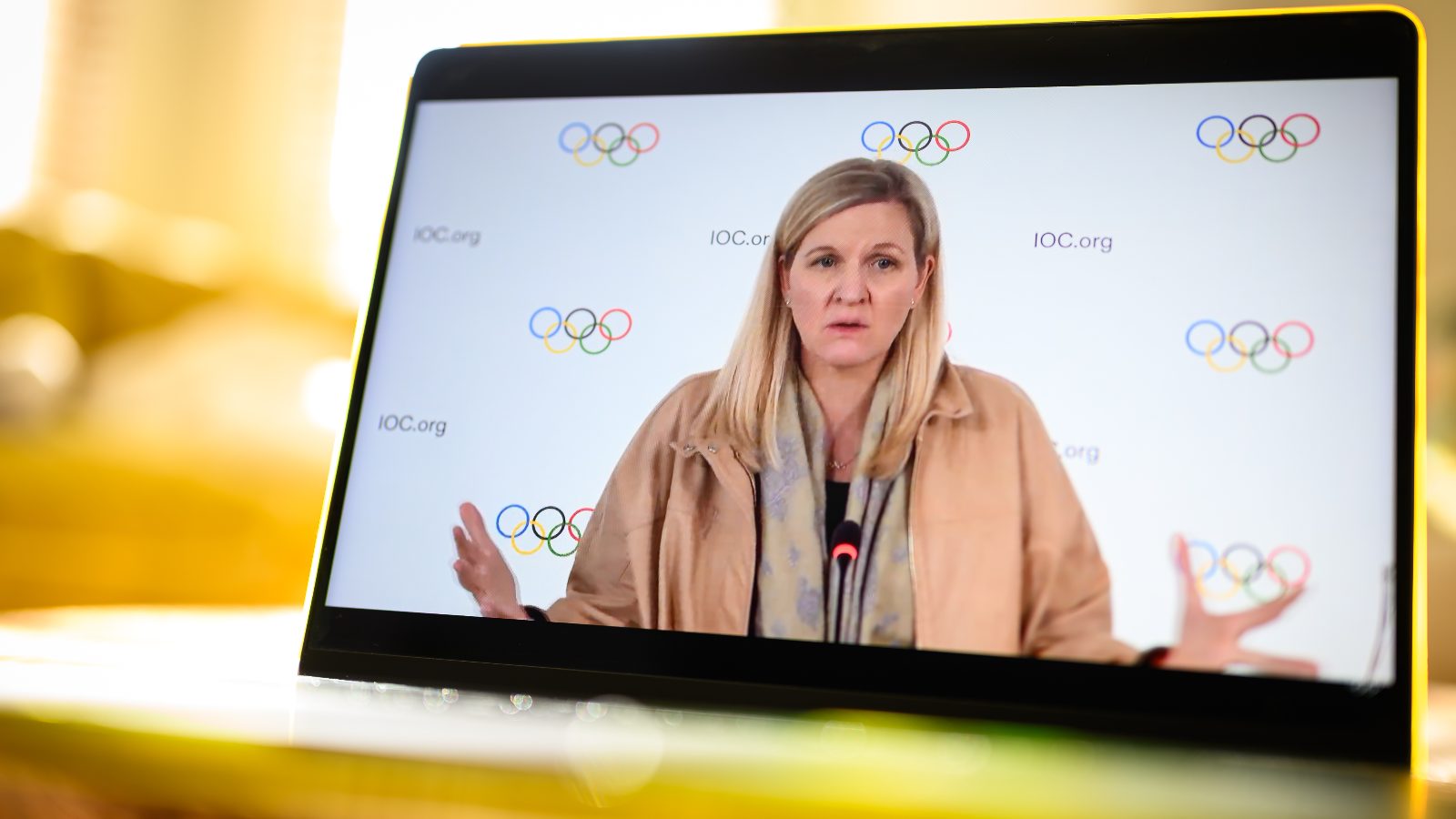
Critics also raised concerns that the new guidelines, which include blanket bans and mandatory genetic tests, could disproportionately affect women of color and intersex athletes. Dr. Ada Cheung, a professor of endocrinology, noted that the best available data shows transgender women undergoing gender-affirming hormone therapy do not have a significant performance advantage over cisgender women and may even face disadvantages. She added that this move represents a return to outdated practices abandoned decades ago for good reason. The scientific data informing the IOC’s position has not been publicly shared, despite claims by IOC President Kirsty Coventry that the policy is based on science and led by medical experts. Coventry asserted that it would not be fair or safe for “biological males” to compete in the female category, emphasizing that even small margins can determine victory or defeat.
Notable Reactions to the Ban
Tennis legend Martina Navratilova publicly supported the IOC’s decision, stating, “About time:), thank you for finally paying attention to reality and protecting the FEMALE CATEGORY!” She further clarified that the policy is a “MALE ban in women’s sports.” The IOC’s decision comes after years of debate within sports organizations regarding the participation of transgender and DSD athletes. The most prominent transgender woman to compete at the Olympics was New Zealand weightlifter Laurel Hubbard in the 2020 Tokyo Games, who did not medal. Several DSD athletes, such as Caster Semenya and Imane Khelif, have also been at the center of discussions regarding their eligibility in female categories.
The IOC’s decision to implement mandatory genetic screening and ban transgender athletes from female categories marks a significant shift in Olympic policy, moving away from individualized assessments towards a more rigid, binary approach. This move, while framed by the IOC as a measure for fairness and safety, has ignited a fierce debate about human rights, scientific evidence, and the evolving understanding of gender in sport.