
Quick Read
- A massive explosion occurred at an Iranian port, killing 5 and injuring over 700.
- The blast is linked to a shipment of sodium perchlorate rocket fuel from China.
- The fuel was reportedly intended to replenish Iran’s missile stock depleted during its attacks on Israel.
- The explosion raises questions about safety measures at the port and the handling of hazardous materials.
- Authorities are investigating the cause of the incident.
Explosion at Iranian Port: What Happened?
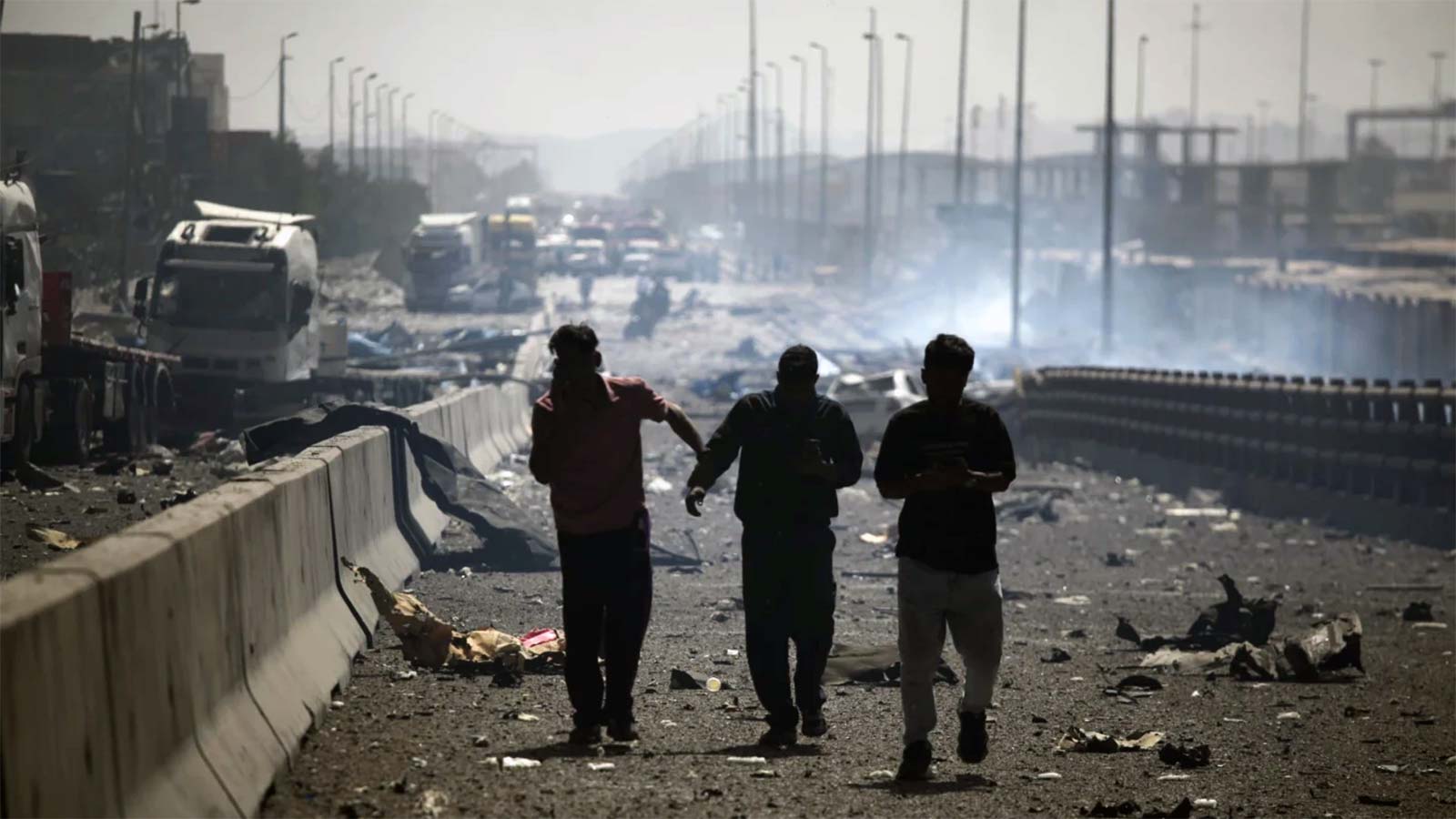
A massive explosion rocked an Iranian port, resulting in the tragic loss of five lives and injuries to over 700 individuals. The incident occurred in a facility that had recently received a shipment of sodium perchlorate rocket fuel, a chemical used in missile production. The blast has drawn international attention due to its potential implications for regional security and safety protocols in handling hazardous materials.
Details of the Incident
The explosion took place at a port facility in Iran, which had reportedly taken delivery of sodium perchlorate rocket fuel in March. According to Ambrey, a private security firm, the shipment originated from China and was transported by two vessels. The fuel was intended to replenish Iran’s missile stockpile, which had been significantly depleted during its direct attacks on Israel amid the ongoing conflict with Hamas in the Gaza Strip.
The blast caused widespread damage to the port and surrounding areas, with over 700 people sustaining injuries ranging from minor to severe. Emergency response teams were dispatched to the scene to manage the crisis and provide medical assistance to the victims.
Connection to Missile Fuel
Sodium perchlorate is a key component in the production of solid rocket fuel, which is used in various types of missiles. The shipment’s arrival in Iran earlier this year had already raised concerns among international observers, given the country’s missile development activities and its involvement in regional conflicts. The explosion has further highlighted the risks associated with the storage and handling of such volatile materials.
The Financial Times had previously reported on the shipment in January, noting its potential use in Iran’s missile program. The recent explosion underscores the dangers posed by these materials, not only in terms of their military applications but also their impact on civilian safety.
Casualties and Response
Authorities have confirmed that five people lost their lives in the explosion, while over 700 others were injured. Hospitals in the region have been overwhelmed by the influx of patients, and medical personnel are working tirelessly to treat the injured. The severity of the injuries varies, with some individuals requiring extensive medical care.
Local authorities have launched an investigation into the cause of the explosion. Preliminary reports suggest that improper storage or handling of the rocket fuel may have contributed to the incident. However, further analysis is needed to determine the exact sequence of events that led to the blast.
International Implications
The explosion has drawn international scrutiny, particularly given its connection to Iran’s missile program. The shipment of sodium perchlorate from China to Iran had already been a point of contention, with some countries expressing concerns about its potential use in military operations. The incident has reignited debates over the regulation and monitoring of hazardous materials in international trade.
Additionally, the blast has raised questions about safety standards at Iranian ports and the measures in place to prevent such disasters. The incident serves as a stark reminder of the risks associated with handling explosive materials and the need for stringent safety protocols.
Ongoing Investigation
As investigations continue, authorities are focusing on identifying the root cause of the explosion. Experts are examining the storage conditions of the rocket fuel and the procedures followed during its transportation and handling. The findings of the investigation will be crucial in preventing similar incidents in the future.
In the meantime, the Iranian government has pledged to provide support to the victims and their families. Efforts are also underway to assess the damage to the port and surrounding infrastructure, with plans to initiate repairs and improve safety measures.
The tragic explosion at the Iranian port has not only resulted in significant loss of life and injuries but also raised important questions about the handling of hazardous materials and their implications for regional security. As investigations continue, the incident serves as a sobering reminder of the need for robust safety protocols and international cooperation in regulating the trade and storage of dangerous substances.