


Tehran Pushes Peace Plan While Asserting Maritime Dominance
Tehran is advancing a proposal to reopen the critical shipping lane through the Strait of Hormuz within seven days, even as Iranian officials maintain claims that they control the vital maritime oil route. According to Fox News, the diplomatic initiative championed by Iranian Foreign Minister Abbas Araqchi runs parallel to ongoing security tensions and attacks on commercial shipping in Middle Eastern waters. The United States and CENTCOM have asserted that the waterway remains open to international traffic aside from Iranian vessels, creating a direct contradiction over operational control.
The standoff comes as global energy markets react sharply to the regional conflict. Brent crude settled at $109.86 per barrel, marking a 3.7% increase and hitting its highest level since May 19. Vice President JD Vance argued at a CBS town hall that U.S. military intervention and domestic energy policy adjustments were necessary to prevent even steeper fuel price surges caused by Iranian threats to global supply chains.
Regional Security Strains And Allied Responses
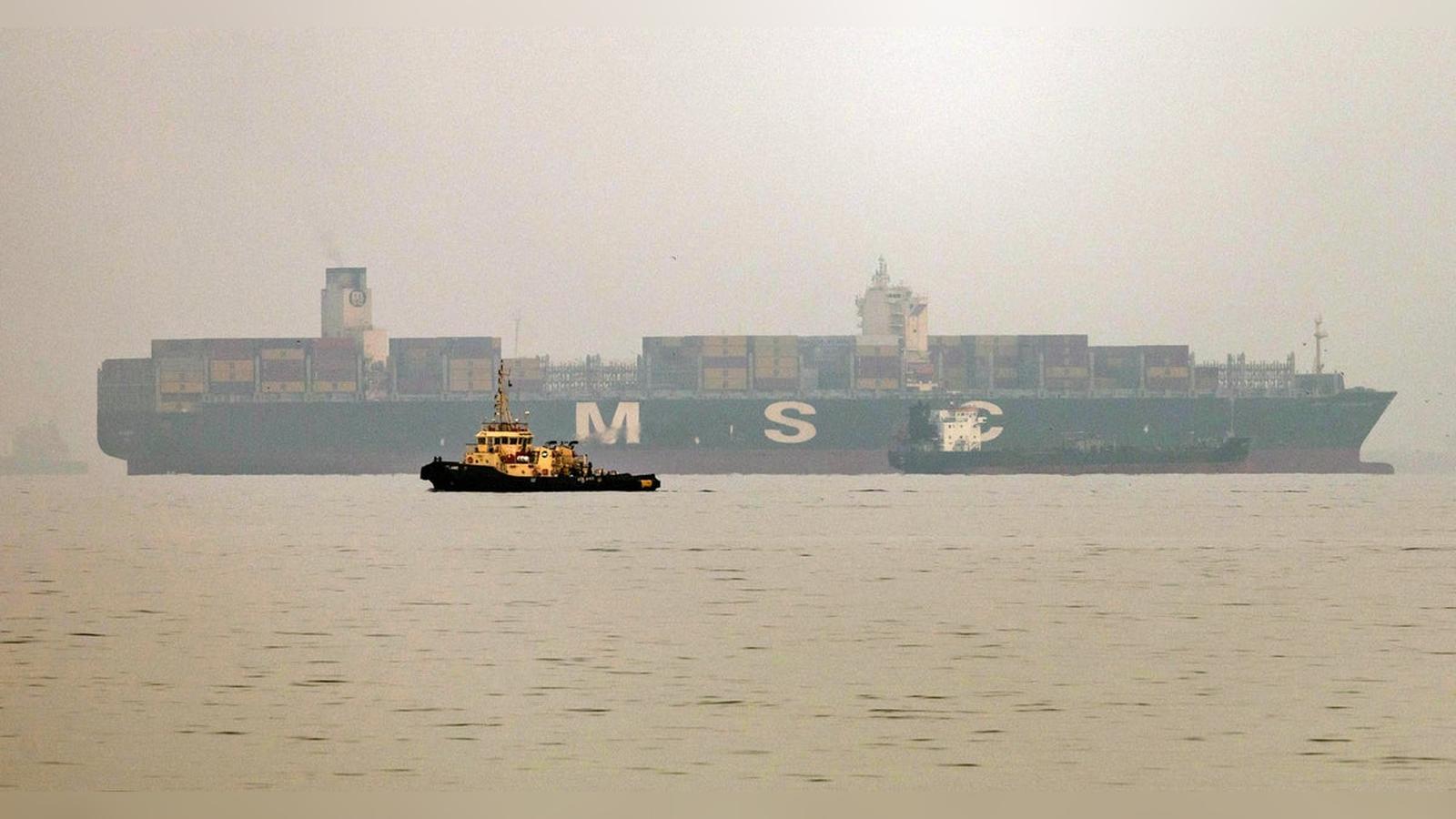
The maritime security situation deteriorated further as the United Kingdom Maritime Trade Operations agency reported that a tugboat sailing near the United Arab Emirates was struck by two unknown projectiles northeast of Khor Fakkan. The vessel sustained damage and left one crew member with minor injuries, though it remained operational. Meanwhile, Saudi Arabia’s Civil Defense reported that a potential danger in the southern Najran region had passed following renewed attacks by Iran-aligned Houthis.
In response to the escalating Houthi threat following the collapse of a truce in Yemen, Egyptian President Abdel Fattah al-Sisi convened the National Defense Council. Egypt’s parliament prepared to debate authorizing military support for Saudi Arabia. Fox News noted that Egyptian authorities confirmed their readiness to help defend Saudi territory, resources, and stability if formally requested.
Leadership Shifts And Military Posturing
Iran’s political and military leadership underwent formal consolidation with the parliamentary approval of Mehrdad Akhlaqi Ketabchi as the country’s new defense minister. In his inaugural remarks, Akhlaqi warned against any resumption of U.S. military strikes, stating that Iranian forces would respond extensively to any new miscalculation. The appointment fills a leadership vacancy left after former Defense Minister Aziz Nasirzadeh was killed earlier in the year during U.S.-Israeli strikes.
President Donald Trump defended his administration’s military campaign against Iran in an exclusive interview, acknowledging that the intervention carried political and economic risks but insisting the action was necessary given Iran’s status as a major state sponsor of terrorism. As diplomatic channels and military postures remain deadlocked, regional actors and international markets continue to monitor the feasibility of Tehran’s proposed seven-day reopening framework.