


Why ‘Die Hard’ Still Divides Holiday Movie Fans
Few Hollywood debates have lasted as long, or sparked as much playful contention, as the question of whether “Die Hard” should be considered a Christmas movie. Since its explosive debut in 1988, audiences have been split—some embrace John McClane’s action-packed night in Nakatomi Plaza as essential holiday viewing, while others see it as a gritty thriller with little seasonal spirit.
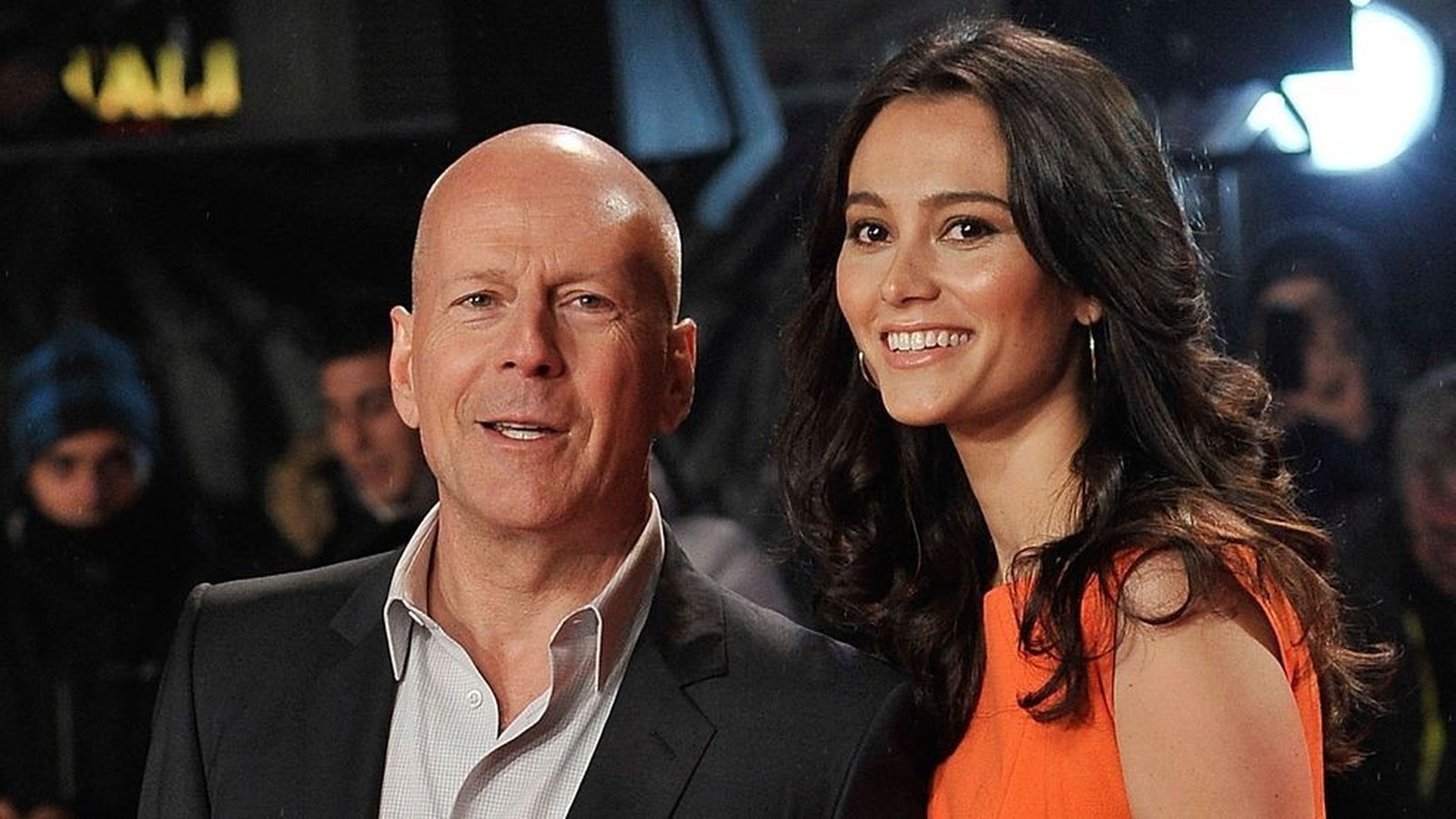
Recently, Emma Willis, wife of Bruce Willis, reignited the debate in a heartfelt interview with People. For Emma, the movie’s Christmas setting and themes of family and resilience make it indispensable to the Willis family’s holiday traditions. “I think it’s important to put ‘Die Hard’ on because it’s a Christmas movie,” she said, offering a personal take that resonates with countless fans who’ve made the film part of their December rituals.
Bruce Willis’ Take: A Star’s Perspective
Interestingly, Bruce Willis himself has always taken a different stance. During his 2018 Comedy Central Roast, he declared, “Die Hard is not a Christmas movie. It’s a goddamn Bruce Willis movie!” His blunt retort became a viral moment, fueling even more heated discussions online and in living rooms everywhere. For Bruce, perhaps, the film’s legacy is less about tinsel and more about tough-guy heroics.
Yet, as Emma’s words show, the holiday spirit can be found in unexpected places. For some, Christmas is about tradition, togetherness, and a sense of joy—qualities that “Die Hard” delivers, albeit with a heavy dose of adrenaline.
Family, Tradition, and Facing Dementia
This year, the “Die Hard” debate takes on deeper meaning for the Willis family. Bruce retired from acting in 2022 after being diagnosed with aphasia, a condition that affects speech and comprehension. In 2023, his family shared that the diagnosis had progressed to frontotemporal dementia (FTD), a disorder that can drastically change a person’s behavior, language abilities, and personality.
Emma Willis has spoken candidly about the challenges of adapting family traditions in the face of illness. She and Bruce share two daughters, Mabel (13) and Evelyn (11), and despite the difficulties, she insists, “There is still joy. It just looks different.” For families living with dementia, holidays can be bittersweet—a mixture of memories, adaptation, and the effort to hold onto joy even as routines shift.
Emma encourages others not to paint dementia in exclusively negative terms. “Life goes on. It just goes on. Dementia is hard, but there is still joy in it,” she said. Her openness is a reminder that, like the debates over holiday movies, family life is rarely simple or black and white.
Navigating Uncertainty and Building Support
Emma’s reflections aren’t just about festive movie nights—they’re about resilience and community. She revealed to Yahoo! that the family felt “overwhelming lack of support” after Bruce’s diagnosis. “The day we received the diagnosis, we walked out of that appointment with nothing—no hope, no direction, no support.” That sense of isolation, she notes, is common for many families facing dementia for the first time.
“With FTD, those early years are so hard because you’re trying to figure it all out in real time. It’s a progressive disease,” Emma explained. As Bruce’s needs changed, the family had to “rev up the support,” learning to adapt and bring in familiar traditions where possible. This process of adaptation—finding new ways to celebrate, honoring old rituals in new forms—is at the heart of the Willis family’s story.
The Enduring Appeal of ‘Die Hard’
So, is “Die Hard” a Christmas movie? For Emma Willis, and for many fans, the answer is a heartfelt yes. Its themes of family, redemption, and triumph against the odds echo the spirit of the season—even if the film’s hero spends more time dodging bullets than hanging ornaments.
What’s clear is that the debate itself has become a tradition for many. Whether you gather to watch McClane take on Hans Gruber, or stick to more conventional fare, the real story is about connection—finding meaning in shared experiences, even as circumstances change.
The ongoing discussion around “Die Hard” isn’t just about genre labels—it’s about how families choose to celebrate, adapt, and persevere in the face of adversity. For the Willis family, this means embracing both the joy and the challenges of the holidays, finding comfort in familiar rituals, and advocating for greater awareness and support for those living with dementia. In the end, perhaps the true spirit of Christmas lies in that resilience—and in the memories we make together, year after year.