


Paolini’s Stellar Season Meets Sevastova’s Comeback in Beijing
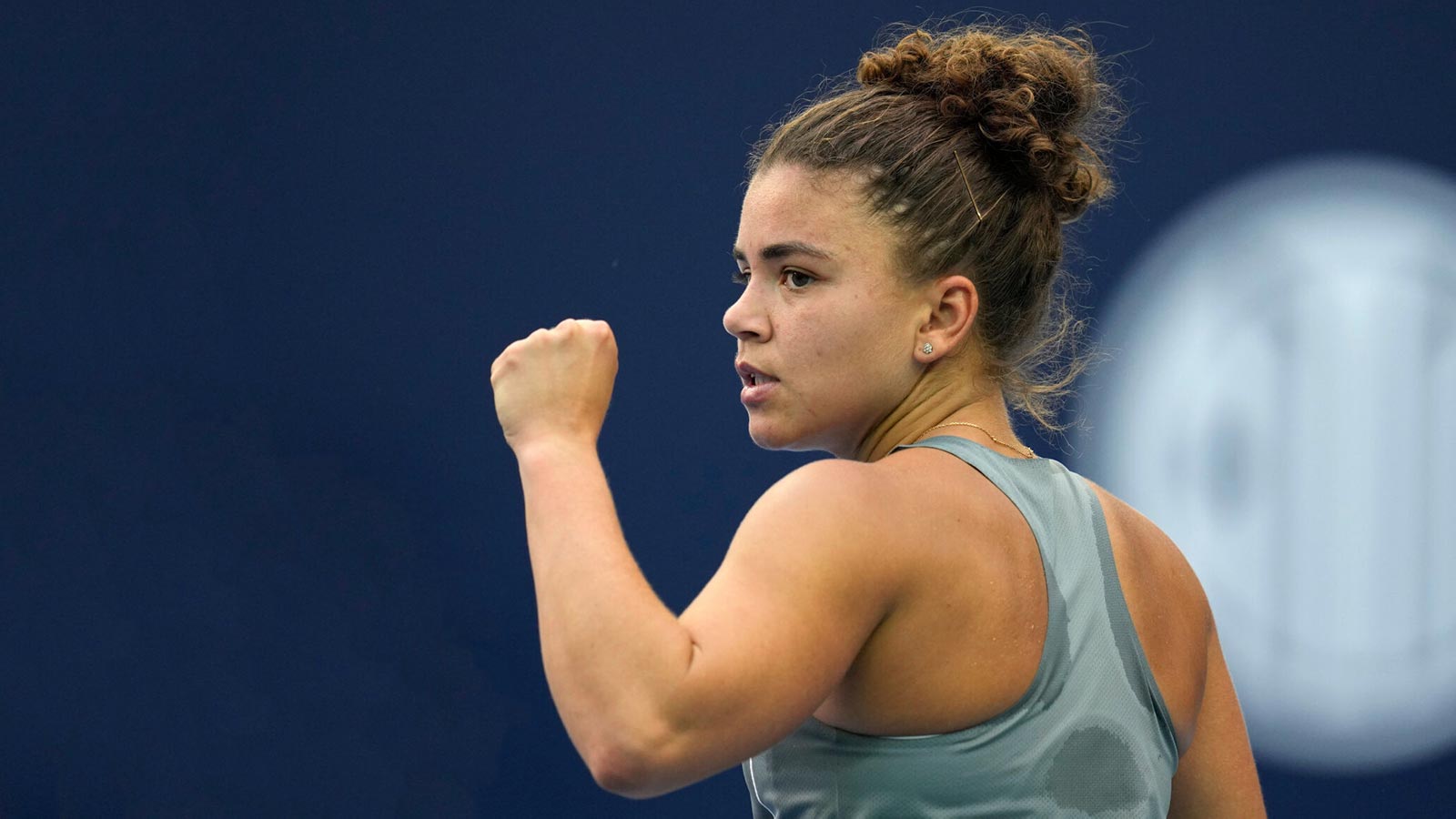
In the electric air of Beijing National Tennis Center, Jasmine Paolini strode onto the court with the quiet confidence of a player in peak form. The Italian, now ranked fifth in the world, had every reason to feel the weight of expectation—her 2025 season reads like a highlight reel: a singles title in Dubai, Olympic doubles gold alongside Sara Errani, and deep runs in every Grand Slam. Facing her across the net, Anastasija Sevastova, Latvia’s former top-20 star, was scripting her own story—a return to the tour after maternity leave, armed with a protected ranking and a wildcard entry into the China Open’s main draw.
It was a matchup defined by contrasts: Paolini’s relentless energy and tactical variety versus Sevastova’s seasoned guile and slice-laden game. The stakes were clear. The WTA 1000 event boasted nearly nine million dollars in prize money and crucial points for the season-ending finals. But beyond the numbers, it was a test of resilience, adaptability, and ambition.
Elite Consistency: Paolini’s Tactical Edge and All-Court Game
Paolini arrived in Beijing with a career-best 36-14 win-loss record for the year, her game honed for every surface. On hard courts, her win rate hovers at an impressive 70%, a testament to her quick footwork, improved serve, and the aggressive forehand that has become her signature weapon. Recent victories, including a dominant Billie Jean King Cup performance against Pegula (6-2, 6-1), have cemented her status as a top contender. “I am really doing well on all surfaces—hard courts next,” Paolini remarked after a tough loss to Swiatek in Rome, signaling her intent to conquer Beijing’s fast courts.
Standing just 5’4”, Paolini’s stature belies her impact. She’s a master at turning defense into offense, using sharp anticipation and a variety of spins to keep opponents off balance. Her first serve percentage (67.8%) and ace rate (1.42 per match) are up this season, giving her reliable firepower. In head-to-head matchups, she leads Sevastova 2-0—both previous meetings on clay, but Beijing’s hard surface is tailor-made for her pace and aggressive style.
Sevastova’s Craft and Grit: A Veteran’s Return
For Anastasija Sevastova, the road back has been steep but promising. Her protected ranking enabled entry into major events, and recent results—quarterfinals in Austin and Cluj-Napoca, and a solid Round of 16 in Transylvania—suggest a player regaining her rhythm. In Beijing, she made good on her wildcard, dispatching Birrell 6-3, 7-6 (1) to reach the next round. “Step by step—it feels good to compete again,” Sevastova reflected after her Austin run.
Sevastova’s game is built on unpredictability: slicing backhands, sudden changes of pace, and aggressive returns. She’s among the top 30 in break points won (averaging 3.8 per match), but her serve remains a vulnerability, especially against power players. At 35, experience gives her the tools to engineer upsets, but stamina can be a limiting factor, especially against the relentless tempo of players like Paolini. Her career record shows that 50% of her wins have come on hard courts, but her success rate against top-10 opponents (just 15%) underscores her underdog status in this matchup.
Match Highlights: Precision and Pressure
The match itself unfolded as a showcase of Paolini’s superiority on hard courts. Quick, efficient points and relentless pressure kept Sevastova from finding her rhythm. Paolini’s defensive skills, coupled with her tactical changes—mixing deep shots with sharp angles—left little room for Sevastova to deploy her trademark slices and drop shots. According to Telecom Asia, the betting odds heavily favored Paolini: 90% win rate against sub-top-200 opposition, straight-set wins in previous head-to-heads, and a 65% victory rate versus lower-ranked players in 2025.
Paolini dictated the tempo from the start. Her serve, now a weapon rather than a liability, helped her rack up quick points, while her ability to convert break opportunities stifled Sevastova’s attempts to build momentum. The match’s statistical narrative was clear: Paolini covered the spread in 70% of her top-50 hard court victories, and her average of 18 games per match in dominant wins suggested another swift outcome. The final scoreline—straight sets, minimal drama—reflected both her form and her tactical execution.
Sky Sports highlighted the match’s key moments: Paolini’s forehand winners, her anticipation on defense, and the cool composure she maintained under pressure. Sevastova, for her part, displayed flashes of creativity, especially on return, but struggled to match the pace and consistency required against a top-five opponent.
What’s Next: Momentum and Ambition
With another win in Beijing, Paolini continues her ascent, eyeing a deep run in one of the season’s most lucrative and competitive events. Her performance sends a clear message: she’s not just a threat on clay or in doubles—her hard court credentials are now undeniable. For Sevastova, the tournament marks another step in her comeback journey, a reminder that experience and grit can still disrupt the established order, even if the mountain remains steep against the tour’s rising stars.
As the China Open unfolds, Paolini’s blend of tactical intelligence, athleticism, and mental resilience positions her as one of the most intriguing figures in women’s tennis. The question now lingers for fans and analysts alike: just how far can her momentum carry her in a field packed with talent and ambition?
Jasmine Paolini’s Beijing performance isn’t just another win; it’s a statement of intent from a player who has transformed potential into consistency. Her victory over Sevastova underscores the evolution of her game—more powerful, more versatile, and more composed under the spotlight. In a sport that rewards adaptability and mental strength, Paolini’s breakthrough is a blueprint for sustained success at the highest level.