
Quick Read
- Jaye Griffiths plays Celia Daniels on Emmerdale.
- She broke down in tears on Loose Women discussing past domestic abuse.
- Griffiths described triggers like making tea incorrectly.
- She is now in a happy relationship and encourages others to seek help.
- Her story was featured on national platforms, raising awareness for domestic abuse support.
Jaye Griffiths: A Voice for Survivors
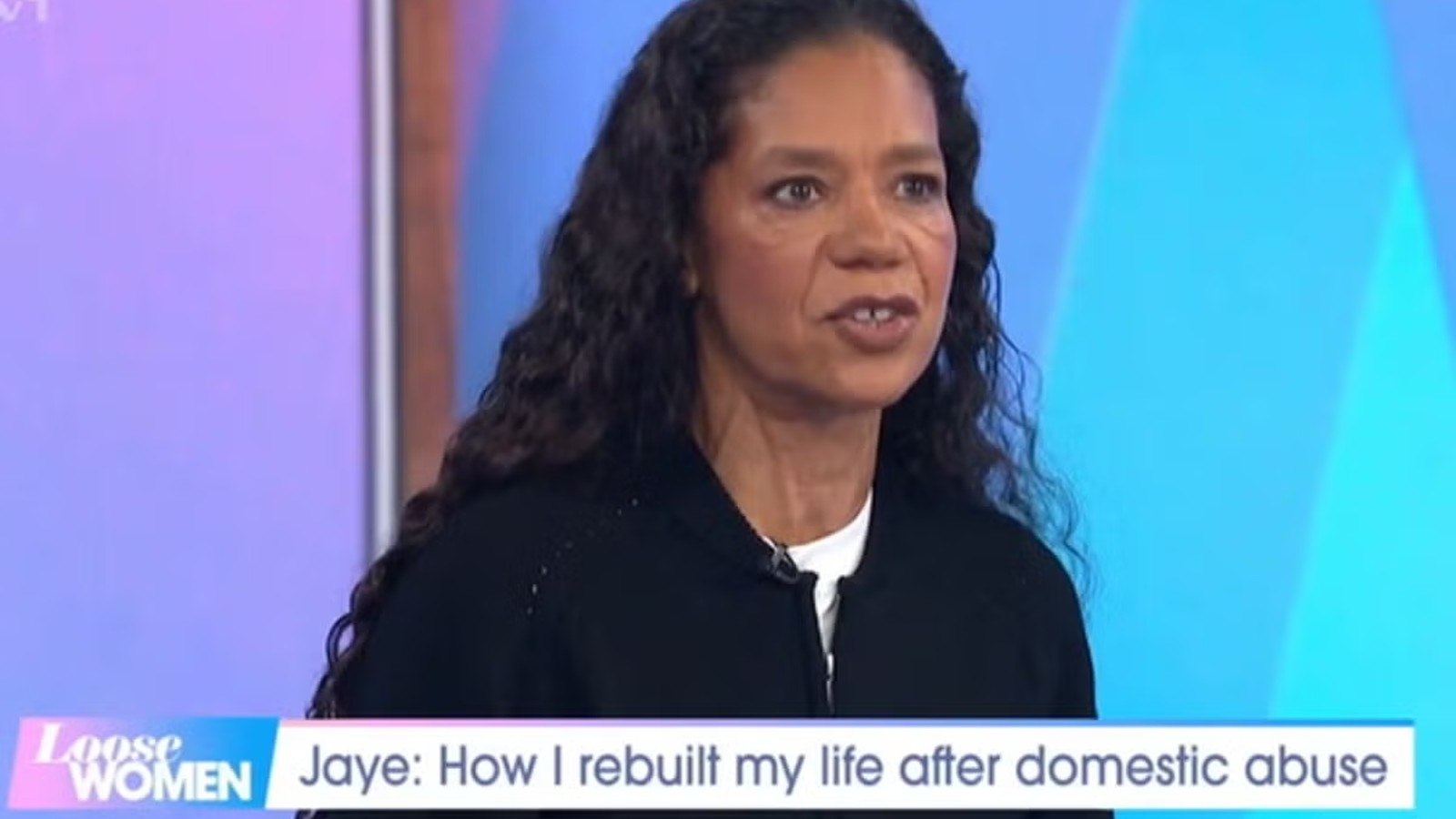
For decades, Jaye Griffiths has captivated audiences through her roles on British television, most recently as Celia Daniels on Emmerdale. But on November 13, 2025, Griffiths stepped beyond her scripts, revealing a deeply personal chapter of her life on ITV’s Loose Women. In an episode that resonated with viewers across the UK, she tearfully recounted the domestic abuse she suffered in a previous relationship, offering both vulnerability and strength in her story.
Breaking the Silence: The Power of Honesty on Daytime TV
Seated among the Loose Women panel, Griffiths faced a different kind of audience—one less concerned with fictional drama and more attuned to real-world pain. The conversation began with her reflecting on the triggers that could provoke her abuser: “If you made the tea the wrong way, that could have consequences.” Her words were raw and unvarnished, a deliberate choice to avoid minimizing the everyday realities of abuse. Griffiths described the psychological toll, recalling how she was routinely told she was “useless.” As she spoke, emotion overcame her, and tears flowed freely—a moment that silenced the studio and reminded viewers of the human cost behind the statistics.
From Trauma to Healing: Life After Abuse
Now 62 and in a loving relationship, Griffiths told the panel that her life today feels “beautiful.” This juxtaposition—between past trauma and present peace—underscored the possibility of recovery. She emphasized that seeking help is not a sign of weakness but an act of courage. Griffiths encouraged anyone experiencing abuse to reach out to national helplines and support networks. Her advocacy was not just personal but practical, offering specific resources to those in need.
The Ripple Effect: Why Griffiths’ Story Matters
Griffiths’ appearance comes at a time when conversations around domestic abuse are gaining urgency. According to the Office for National Statistics, reports of domestic violence in the UK have increased in recent years, yet many cases still go unreported. By sharing her story on a national platform, Griffiths lent her voice to thousands who remain silent, helping to chip away at the stigma and isolation that often accompany abuse. Her courage was noted by viewers and fellow panelists alike, with social media lighting up in support of her honesty and resilience (Reuters).
Her testimony is a reminder that domestic abuse can affect anyone, regardless of age, profession, or public profile. The details she shared—such as minor, everyday actions triggering violence—reveal how abuse often hides in plain sight, masked by routine and familiarity. Griffiths’ willingness to speak openly serves as both warning and encouragement, inviting others to recognize red flags and seek help before cycles of harm become entrenched.
Raising Awareness: The Role of Public Figures
Griffiths’ decision to speak out was not just about personal healing; it was a strategic use of her public platform. Celebrities and media personalities can play a pivotal role in destigmatizing difficult conversations, and Griffiths’ candor added urgency to the ongoing campaign against domestic violence. The Loose Women panel, known for tackling issues ranging from mental health to grief, provided a supportive environment for her disclosure. By weaving her experience into national discourse, Griffiths not only validated the struggles of survivors but also reminded viewers that help is available, and change is possible.
Her advocacy aligns with broader movements in the UK, where organizations like Women’s Aid and Refuge continue to push for greater resources and legislative reform. Griffiths cited these helplines during her appearance, turning her pain into practical guidance. Her story also highlights the importance of media in driving social change—when public figures share their journeys, they can spark conversations that ripple outwards, reaching those who may otherwise feel alone.
Moving Forward: Hope and Action
In the aftermath of Griffiths’ appearance, conversations around domestic abuse gained momentum online and offline. Her story was picked up by outlets including The Independent and Newswav, amplifying her message to a wider audience. For many viewers, Griffiths’ vulnerability provided validation for their own experiences, while her optimism offered hope for a future beyond violence. As she concluded, “My life now is beautiful,” the statement hung in the air—a promise that healing, while difficult, is within reach.
Griffiths’ journey from victim to survivor is marked not just by her resilience, but by her commitment to others. Her willingness to confront painful memories on live television speaks to the transformative power of honesty. It is a reminder that every survivor’s story matters, and that by sharing, we can help break cycles of silence and shame.
Griffiths’ testimony stands as a powerful example of how personal stories can drive social change, especially when shared with authenticity and courage. Her appearance on Loose Women not only raised awareness about the realities of domestic abuse but also offered tangible hope to those still struggling. In a landscape often dominated by statistics and headlines, Griffiths’ voice reminds us that behind every number is a human story—one that deserves to be heard, understood, and supported.