


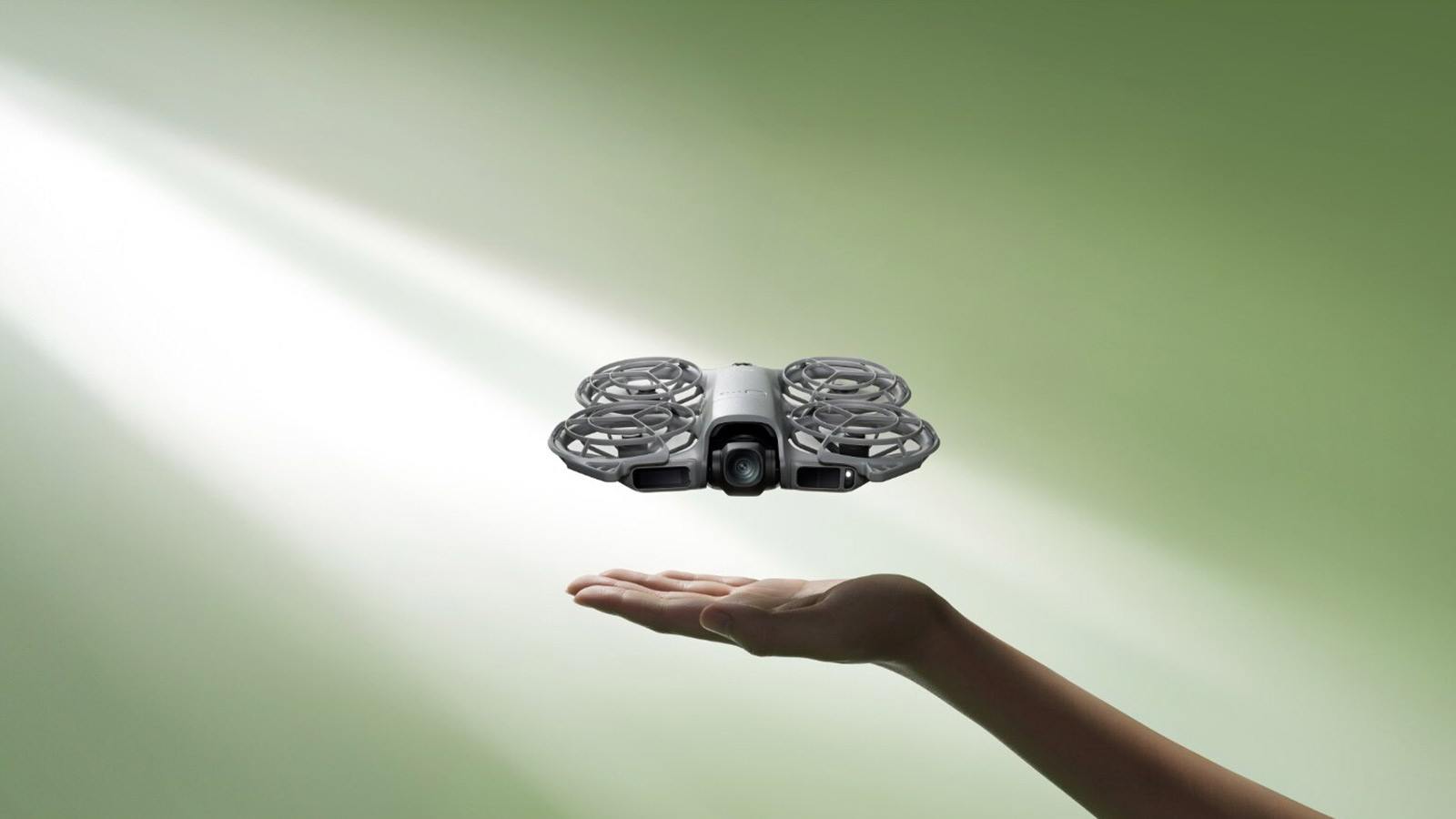
Neo 2’s Lightweight Design and Advanced Safety Systems
In a world where drone technology is constantly evolving, DJI’s launch of the Neo 2 marks a significant leap for beginner pilots and casual creators. Weighing just 151 grams, the Neo 2 is DJI’s lightest and most compact camera drone to date, comfortably fitting within the sub-250g category that avoids many regulatory headaches. This tiny powerhouse brings omnidirectional obstacle sensing—an innovation once reserved for larger, pricier models—directly to the hands of newcomers.
The Neo 2’s safety suite is impressive. Forward-facing LiDAR, omnidirectional monocular vision, and downward infrared sensors combine to help the drone avoid obstacles from every direction. Integrated propeller guards add another layer of protection, especially for low-altitude or indoor flights. Level 5 wind resistance means it can handle gusts up to 10–14 meters per second, making it reliable in most outdoor conditions.
Camera and Shooting Capabilities: Raising the Bar for Entry-Level Drones
At the heart of the Neo 2 is a 12-megapixel, 1/2-inch CMOS sensor with an f/2.2 aperture, capable of recording 4K video at up to 100 frames per second. Whether it’s capturing slow-motion action or vertical video for social media, the Neo 2 is designed to simplify aerial filming. The newly upgraded 2-axis gimbal stabilizes footage, offering tilt and roll compensation for smoother shots—a marked improvement over the single-axis setup of its predecessor.
Creative shooting modes abound. Dolly Zoom, QuickShots, MasterShots, and the all-new SelfieShot feature let users get cinematic results without manual piloting skills. The drone’s internal 49GB storage means you can store up to 105 minutes of 4K/60 video before needing to offload files, a boon for those who forget their microSD cards or want a streamlined kit.
User Experience: Making Flight Accessible for Everyone
DJI’s focus on accessibility shines through the Neo 2’s multiple control options. Pilots can launch and land the drone from their palm, use gestures or voice commands, or operate it via smartphone. For those seeking more immersive or precise control, the RC-N3 remote controller offers a 10-kilometer transmission range, and compatibility with motion controllers and FPV goggles opens up new possibilities for flight.
Reviewers from TechRadar and Engadget praise the Neo 2’s ease of use, noting that features like gesture control and improved ActiveTrack—capable of following subjects at up to 12 meters per second—make aerial videography approachable for families, travelers, and sports enthusiasts. The drone’s fast setup and automated modes mean less time fiddling with settings and more time capturing memories.
Global Rollout and the U.S. Availability Challenge
While the Neo 2 is already available in major markets like the UK, Europe, Canada, and Asia, its absence from official U.S. retail channels is glaring. Political and regulatory tensions—such as the Countering CCP Drones Act and DJI’s placement on the FCC’s Covered List—have restricted the company’s ability to launch new products stateside. As reported by FindArticles and GSMArena, U.S. buyers may find the Neo 2 through third-party sellers, but official warranty, support, and firmware updates remain uncertain.
Pricing varies by region, typically ranging from $230 USD in Canada to £209 in the UK and €239 in Europe. Fly More combos, which include extra batteries, controllers, and charging hubs, are available for those seeking extended use or advanced control. However, without official U.S. availability, American consumers are left in a holding pattern, watching the global rollout from the sidelines.
Limitations and Setting Expectations
Despite its strengths, the Neo 2 is not without compromise. The 19-minute flight time, while adequate for short outings, lags behind larger drones that can exceed 30 minutes. The 2-axis gimbal, though a step up from previous models, does not match the smoothness of 3-axis systems found in professional rigs. Advanced users may miss features like flat color profiles or deep manual controls, making the Neo 2 less suitable for high-end commercial work.
Still, for its target audience—first-time pilots, families, and casual creators—the Neo 2’s blend of portability, safety, and creative automation is hard to beat. Its light weight keeps it under regulatory thresholds in many countries, and its automated features reduce the intimidation factor of drone flight.
Who Should Consider the Neo 2?
The Neo 2 is tailored for those who value simplicity, safety, and creative flexibility over maximum flight time or manual mastery. Families wanting to document outdoor adventures, travelers in need of a compact camera companion, and social media creators seeking cinematic effects without technical hurdles will find the Neo 2 an appealing choice. Experienced pilots may also appreciate it as a backup or scouting tool, thanks to its internal storage and robust wind resistance.
With drones becoming more integrated into everyday life, the Neo 2 stands out as a symbol of DJI’s push to democratize aerial filmmaking. It’s a device that doesn’t demand expertise, yet delivers results that wouldn’t look out of place in professional reels.
Assessment: The Neo 2’s launch exemplifies how far consumer drones have come—combining advanced safety, creative automation, and accessibility in a single, pocketable package. Its global availability, contrasted with regulatory barriers in the U.S., highlights the intersection of technology and policy in shaping market realities. For most users outside America, the Neo 2 offers an unmatched entry point into aerial storytelling, but U.S. buyers must weigh the risks of unofficial channels against the benefits of this compelling new device.