
Quick Read
- Ex-sergeant major Michael Webber sentenced to six months in prison for sexually assaulting Jaysley Beck.
- Beck, 19, took her own life after the Army failed to act on her complaint and she experienced further harassment.
- Family and advocates criticize the Army’s slow, opaque response and demand truly independent complaint systems.
- Army has announced reforms, including independent investigations, but families remain skeptical of real change.
- Coroner ruled Army’s failures were a significant factor in Beck’s death.
Army’s Response Under Fire After Jaysley Beck’s Death
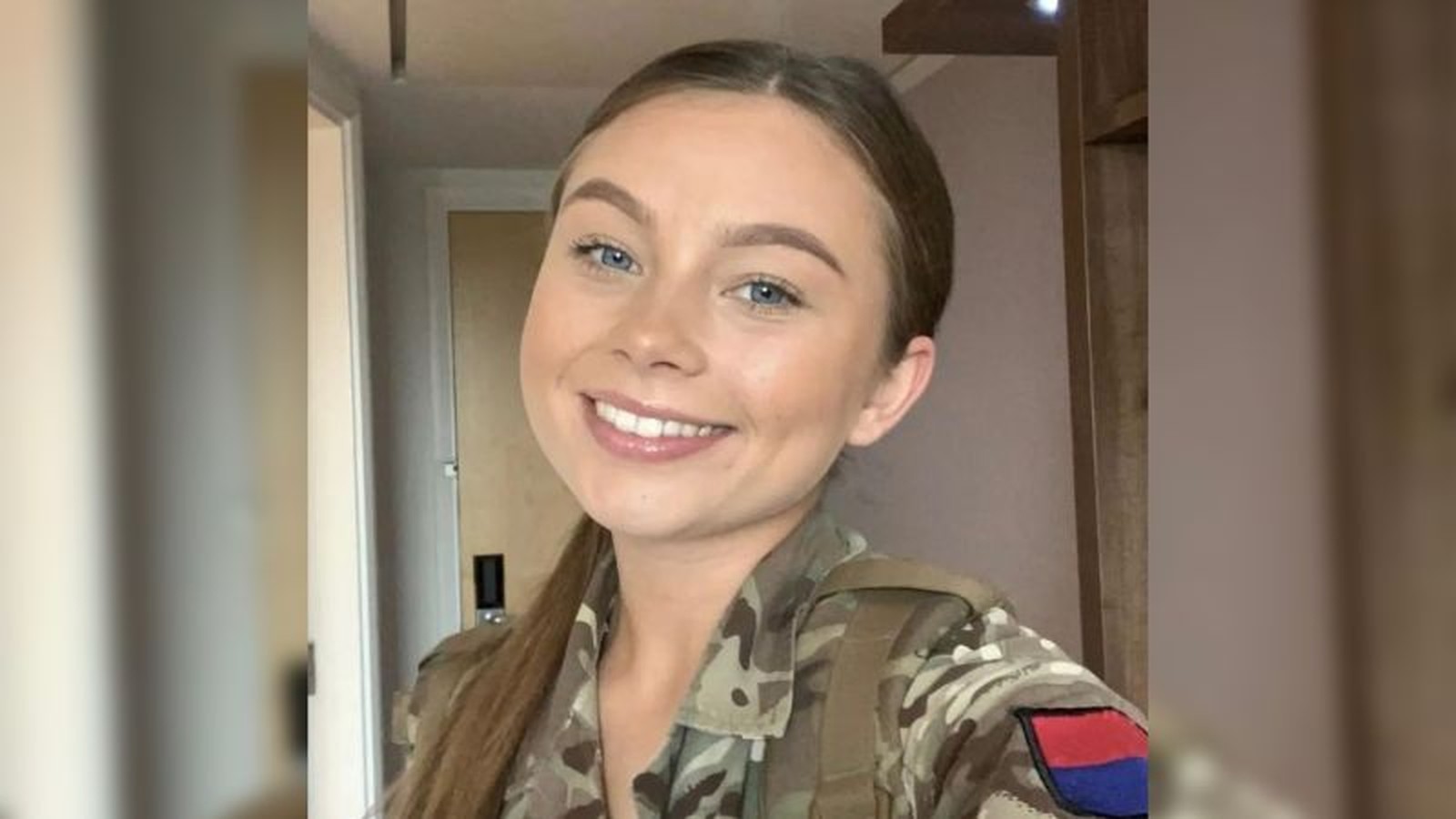
In the small, tense confines of Bulford Military Court Centre, a case unfolded that would come to symbolize not just individual tragedy, but institutional accountability. Jaysley Beck, a 19-year-old Gunner in the Royal Artillery, had her life cut short after a sexual assault by a senior colleague, Michael Webber, and a subsequent breakdown in the military support system meant to protect her. On October 31, 2025, Webber was sentenced to six months in prison and placed on the sex offenders’ register for seven years. Yet for Beck’s family, the verdict marked only a small step in a long journey to justice—a journey fraught with frustration, grief, and calls for reform.
What Happened to Jaysley Beck?
Jaysley Beck joined the British Army at 16, full of promise and ambition. In July 2021, during an adventure training exercise at Thorney Island, Hampshire, Beck found herself alone with Webber after a late-night social event. According to inquest testimony cited by BBC, Webber—then a Battery Sergeant Major, twice Beck’s age—grabbed her leg, pinned her down, and attempted to kiss her. Beck escaped, locking herself in her car overnight and later reporting the assault to her superiors.
Instead of a criminal investigation, the Army opted for an internal resolution: Webber was interviewed and instructed to write Beck an apology letter. The letter, which Beck’s colleagues described as “pathetic,” did little to restore her faith in the system. The incident was never reported to civilian police. Later, Beck endured repeated, unwelcome messages from another senior colleague, Ryan Mason. Feeling isolated, mistrustful, and unsupported, she was found dead at Larkhill barracks in December 2021. An inquest ruled her death as suicide, with the coroner concluding that the Army’s mishandling of her complaint “more than minimally” contributed to her death (Sky News).
Systemic Failures and Family’s Grief
The impact of the Army’s response reverberated far beyond the barracks. Beck’s mother, Leighann McCready, spoke at length about the pain and powerlessness she and her family have endured. “She trusted people to protect her and after what he did, the trust was gone,” McCready said. “She did everything right, but was failed by the system that was meant to support and protect her.” McCready’s grief was compounded by frustration: she described the Army’s official statements as “empty words,” echoing the same reassurances heard for years, with little visible change.
McCready’s campaign for justice was relentless. After the inquest, the family, supported by the Centre for Military Justice, pressed Wiltshire Police to investigate. Only after their intervention was the case handed to the Service Prosecuting Authority, leading to Webber’s prosecution. “At every stage we have had to push for this ourselves,” McCready told The Guardian. “This is far too little too late given everything that flowed from this.”
Her father, Anthony Beck, also described the devastating effect on their family. “She became quieter, stopped trusting people, and it was awful to see that light go out in her,” he said in court. The emotional toll extended beyond grief—he suffered a heart attack in the months following her death.
Army Promises Reform, But Families Remain Skeptical
In response to Beck’s death, the British Army and Ministry of Defence have announced several reforms. The Defence Serious Crime Command (DSCC) was created in 2022 to ensure that serious complaints, especially those of a sexual nature, are investigated independently, outside the immediate chain of command. New guidance and support units, such as the Violence against Women and Girls taskforce and a Victim and Witness Care unit, have been established to improve care for victims (Forces News).
Minister for Veterans and People, Louise Sandher-Jones, called the sentencing “an important step on the journey to justice,” acknowledging that the Army “accepted the failings identified by the coroner.” Major General Jon Swift expressed “profound sorrow” for the Army’s failures, emphasizing ongoing efforts to reform culture, policies, and leadership standards.
Yet, for Beck’s family and advocates, skepticism remains. Eight months after the inquest, McCready noted that promised changes to the complaints system were slow and lacked transparency. “There have been a lot of empty promises,” she said, urging for a truly independent avenue for reporting abuse—one that protects soldiers over institutional reputation. “Until there is proper change,” McCready added, “I would advise young women not to join the armed forces.”
Inside the Military Justice System
The court martial for Michael Webber highlighted unique aspects of military justice. Unlike civilian courts, military courts convene a panel of officers and warrant officers—referred to as a board—to determine guilt and sentencing, alongside a judge. The process is less familiar to the public, and the small courtroom was crowded with press, reflecting the high-profile nature of the case.
During sentencing, Webber’s lawyer acknowledged the aggravating factors: his position of authority, his age relative to Beck, and the Army’s mishandling of the complaint. Webber was reduced to the ranks and will serve half his six-month sentence in prison, with the remainder in the community.
Calls for Culture Change and Support for Victims
The story of Jaysley Beck has become a catalyst for broader discussions about culture and accountability in the armed forces. Beck’s mother urged anyone experiencing similar abuse to “speak up, get outside help, and not suffer in silence.” The Army’s own reports acknowledge the need for culture change, aiming to create an environment where personnel are confident that complaints will be met with meaningful action.
The Centre for Military Justice and other advocacy groups continue to press for transparent, independent systems to handle serious complaints. Meanwhile, Beck’s family has vowed to keep fighting for reforms that honor her memory and protect others from suffering the same fate.
Support services, such as BBC Action Line and Samaritans, have been highlighted for anyone affected by the issues raised in Beck’s case.
The sentencing of Michael Webber represents only a partial reckoning for the Army’s failures. The facts point to deep-rooted systemic problems that allowed a vulnerable young soldier to be let down at every turn. As Beck’s family continues to fight for lasting change, the Army’s next steps will determine whether her legacy leads to genuine reform—or remains another chapter in a history of missed opportunities.