


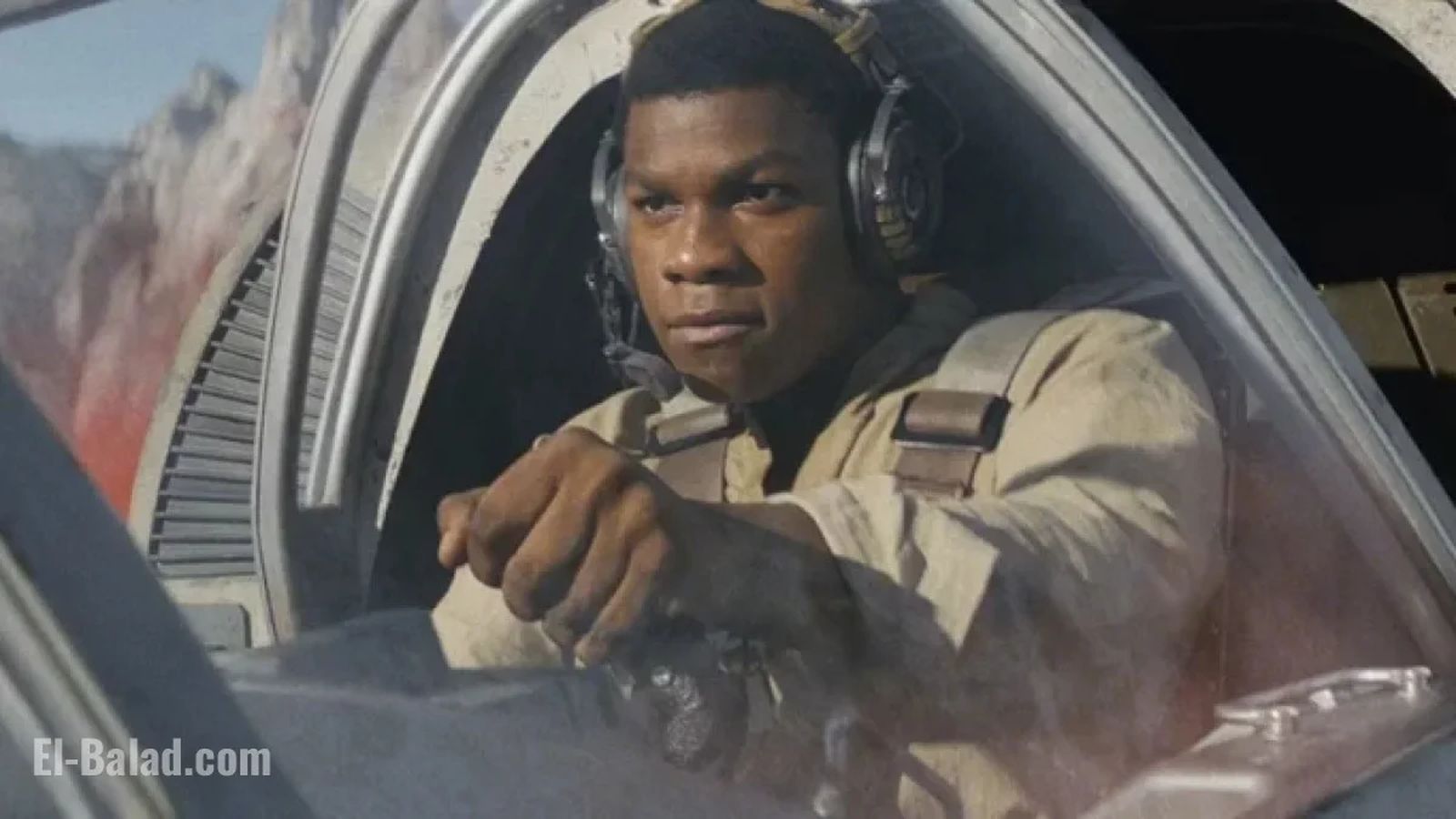
John Boyega Takes a Stand: Star Wars Loyalty and Star Trek Respect
At Dragon Con, surrounded by the eager hum of science fiction devotees, John Boyega stepped onto the stage with the confidence of someone who knows exactly where his heart lies. Best known for his portrayal of Finn in the Star Wars sequel trilogy, Boyega didn’t shy away from a question that has sparked countless online debates and friendly arguments among fans for decades: Star Wars or Star Trek?
He wasted no time in making his position clear. “If you’re a Trekkie and you’ve met me at the booths, you would find that I would mention that I don’t like Star Trek,” Boyega declared, a statement that instantly sent ripples through the room. But this wasn’t a moment of antagonism—it was a candid confession from someone who grew up with the action, drama, and the unyielding sense of adventure that Star Wars delivers.
Action vs. Discussion: What Sets the Franchises Apart?
Boyega’s words tapped into the heart of the rivalry. “I just think that on the Trekkie side they like to talk about it. On the Star Wars side, we just get active,” he explained. For Boyega, and many others who resonate with the franchise, Star Wars is about diving headfirst into the chaos of galactic war, making split-second decisions while the fate of entire worlds hangs in the balance. The thrill isn’t just in the battles; it’s in the immediacy, the way the story never pauses for long.
Contrast that with Star Trek, a universe that thrives on dialogue, philosophical debates, and careful consideration of morality and society. Star Trek fans find their excitement in the exchange of ideas, in the slow unraveling of ethical quandaries and the exploration of humanity’s place in the cosmos. As Boyega noted, “In Star Trek, they give you time to have discussions. I think there’s something Star Wars can learn from that actually.” (SSBCrack News, el-balad)
Respect Amid Rivalry: Boyega’s Balanced Perspective
While Boyega’s loyalty is firmly with Star Wars, his comments were not dismissive of Star Trek. In fact, they revealed a nuanced appreciation for what makes each saga special. He acknowledged that the patience and space for reflection that Star Trek offers could be beneficial for Star Wars—an observation that suggests he’s not just a fan, but a thoughtful observer of storytelling itself.
This kind of cross-franchise respect isn’t always easy to find in fandoms often defined by their boundaries. Boyega’s perspective bridges the gap, inviting fans to see beyond the surface-level rivalry and consider how both Star Wars and Star Trek contribute to the broader world of science fiction. His remarks serve as a gentle reminder: competition can coexist with admiration, and sometimes the best stories come from learning from one another.
J.J. Abrams: The Link Between Two Worlds
Adding another layer to the discussion is Boyega’s connection to J.J. Abrams, the director who not only cast him as Finn in Star Wars: The Force Awakens, but also directed two Star Trek films. It’s a rare overlap, one that raises intriguing questions about behind-the-scenes conversations between Boyega and Abrams. Did they ever debate the merits of each universe on set? Did their shared experiences offer new insights into the strengths and weaknesses of both franchises?
While Boyega didn’t elaborate on any specific debates, the mere mention of Abrams underscores how interconnected these worlds can be. It’s a testament to the way creative minds can navigate multiple universes, bringing lessons from one to inform the other.
Fans React: Passion, Debate, and Shared Appreciation
Boyega’s open stance has rekindled discussions across fan communities. Some Star Wars loyalists cheered his unapologetic preference, while Star Trek fans appreciated his acknowledgment of their franchise’s intellectual depth. Social media buzzed with reactions, some playful and others deeply analytical, as fans dissected his remarks and reflected on their own reasons for loving their chosen saga.
For many, Boyega’s words articulated a feeling they’d long held but rarely heard voiced so publicly. He gave permission for fans to embrace their biases, but also to recognize the value in what the “other side” has to offer. In an era where fandoms can sometimes be divisive, his approach encourages curiosity and mutual respect.
The Enduring Appeal of Star Wars and Star Trek
Why do these franchises endure, generation after generation? Star Wars, with its mythic battles and sweeping scope, speaks to our desire for adventure and heroism. Star Trek, with its measured pace and philosophical inquiry, challenges us to think deeply about society, technology, and ethics. Both worlds are more than entertainment—they’re cultural touchstones, inspiring everything from fan fiction and conventions to academic studies and real-world technological innovation.
Boyega’s reflections arrive at a time when science fiction is more popular and accessible than ever. The boundaries between genres blur, and the distinctions that once separated fans now serve as starting points for richer conversations. His willingness to point out what Star Wars could learn from Star Trek is a sign of a maturing fandom, one that values growth and adaptation over rigid loyalty.
Looking Ahead: The Future of Sci-Fi Storytelling
As studios continue to expand both franchises—with new films, series, and spin-offs in development—the lessons Boyega highlighted may well influence future storytelling. Could Star Wars embrace more nuanced, reflective moments? Might Star Trek experiment with more action-oriented narratives? The possibilities are as endless as the galaxies both universes explore.
Ultimately, Boyega’s candid remarks are a microcosm of the larger dialogue happening within science fiction. The genre thrives on innovation and reinvention, and the best creators are those willing to look beyond their own traditions. In the hands of passionate actors, directors, and writers, the future of Star Wars and Star Trek is bright—and perhaps, just a bit more intertwined than fans might expect.
John Boyega’s perspective is both a celebration of fan loyalty and a call for creative evolution. By recognizing the strengths of both Star Wars and Star Trek, he encourages fans and creators alike to seek inspiration beyond the boundaries of their favorite worlds. This approach not only enriches the conversation but ensures that science fiction remains a space for growth, reflection, and discovery.