


Jeanine Pirro Takes Center Stage in DC Shooting Case
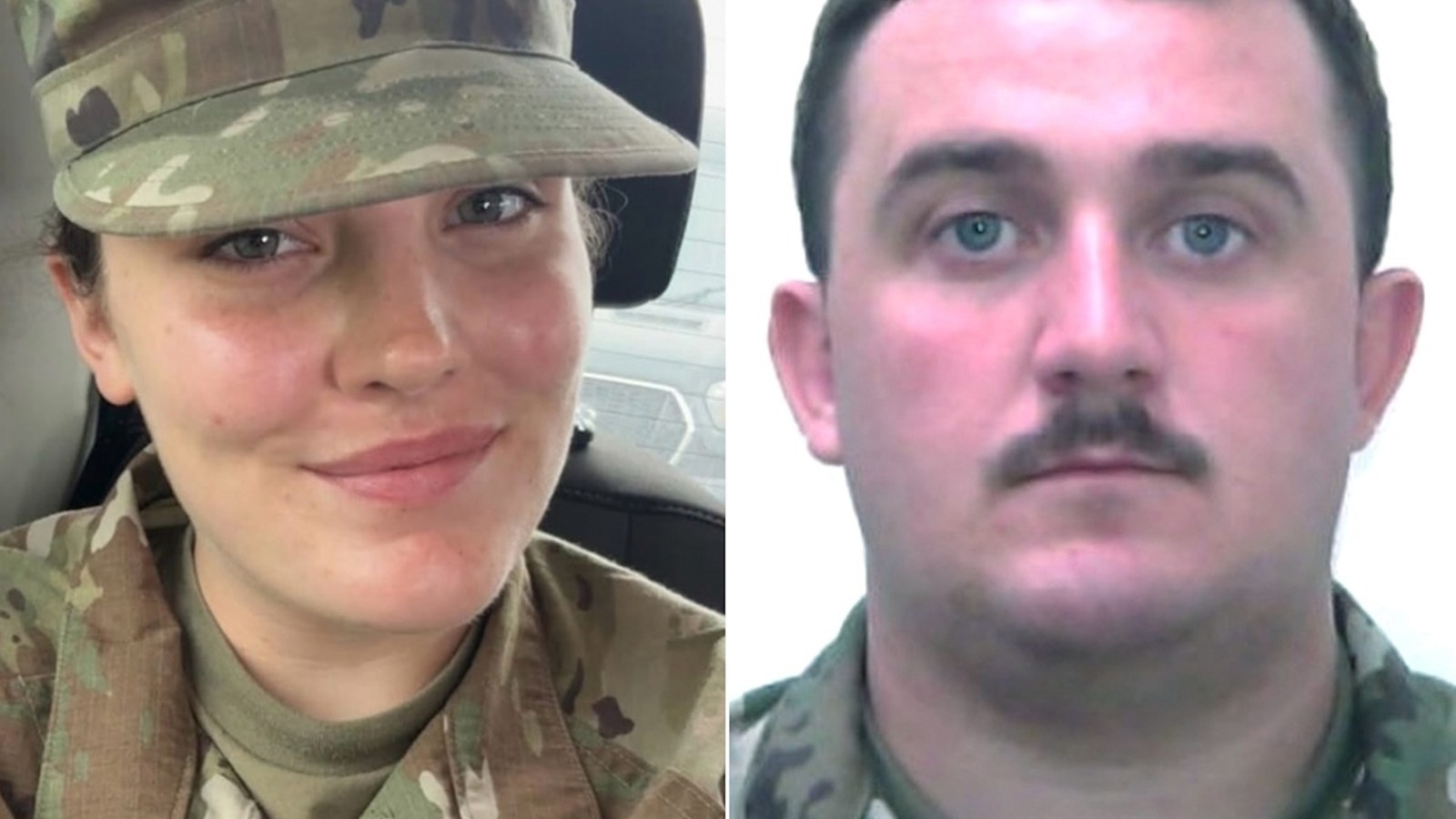
In the aftermath of the deadly shooting of two West Virginia National Guard members in Washington, DC, the spotlight has fallen squarely on Jeanine Pirro, the US Attorney for the District of Columbia. Pirro, already a familiar figure in legal circles and media, now finds herself at the nexus of law enforcement, public scrutiny, and political controversy. The stakes could hardly be higher: one Guardsman, Sarah Beckstrom, 20, lost her life, and another, Andrew Wolfe, 24, remains in critical condition. The suspected shooter, Rahmanullah Lakanwal, an Afghan national who came to the US in 2021, is set to face a first-degree murder charge under Pirro’s direction.
The Legal Proceedings: Murder Charges and Controversy
Pirro wasted no time in confirming the prosecution’s intent to pursue the toughest available charge. “The man accused of shooting two members of the West Virginia National Guard will face a murder charge following the death of one of the victims,” Pirro announced, as reported by CNN. The suspect, Lakanwal, was hospitalized after being shot by another Guard member during the incident, and remains under heavy security. Pirro’s office is coordinating closely with local and federal law enforcement as the investigation unfolds.
Questions swirl not only around the shooting itself, but also the vetting process that allowed Lakanwal entry into the country. Despite repeated claims by the Trump administration that vetting was insufficient, law enforcement officials told CNN that Lakanwal was “clean on all checks,” both as a CIA contractor in Afghanistan and during his asylum process. Pirro herself has expressed skepticism about the depth of background checks possible in such situations, framing the challenge as a matter of practicality: “What do we do? Call the FBI in Afghanistan and say, ‘Gee, do you have anything on this guy?’”
Political Fallout and Immigration Crackdown
The shooting has ignited fierce debate over immigration policy and national security. President Donald Trump, citing Beckstrom’s death, called for a “permanent pause” on migration from unspecified “Third World Countries.” He also directed US agencies to review asylum cases and green cards issued to individuals from Afghanistan and other “countries of concern.” The Treasury Department moved to block undocumented immigrants from receiving federal tax-based benefits, acting on Trump’s orders.
Pirro’s role as prosecutor is deeply entwined with these broader political currents. As she pursues the murder case against Lakanwal, she must navigate the fraught atmosphere created by the administration’s rhetoric and the real anxieties faced by immigrant communities. In interviews, Pirro has taken a hard line: “Let’s stop namby-pambying around with this, ‘Oh, he was vetted.’ There was no ‘vetted.’ The welcome mat was thrown down.” Her statements have resonated with some, but drawn criticism from others who argue that most Afghan evacuees are law-abiding and deeply opposed to the violence.
Community Impact and the Human Story
Beyond the headlines, the tragedy has deeply affected local communities in West Virginia and across the nation. Beckstrom’s family and friends remember her as a “loving, caring person” who hoped to join the FBI and “be a part of the change.” Her former boyfriend recalled her passion for hunting, fishing, and helping others. The other victim, Andrew Wolfe, is described by those close to him as a “fighter” and “the best of us here in West Virginia.” Law enforcement officers, family members, and neighbors have rallied to support the wounded Guardsman and honor Beckstrom’s legacy.
As Pirro’s office prepares for the high-profile prosecution, the families of the victims are caught between grief and the demands of national attention. The dignified transfer of Beckstrom’s remains was marked by law enforcement lining the streets of Washington, DC, with tributes pouring in from Defense Secretary Pete Hegseth, President Trump, and the West Virginia National Guard. Governor Patrick Morrisey visited the hospital three times, offering prayers and support to the families.
Legal, Political, and Social Crossroads
Pirro’s involvement in the case highlights the complex intersection of legal responsibility, political maneuvering, and social consequence. The decision to pursue a murder charge carries weight not only for the families, but also for the nation’s ongoing debate about immigration, security, and the role of the military in domestic affairs. Pirro’s prosecutorial strategy will be scrutinized for its fairness and rigor, especially given the pressure from both the Trump administration and the wider public.
As the investigation continues, Pirro’s office is also facing calls for transparency in how asylum cases are reviewed and how suspects are vetted. The outcome of this prosecution may set precedents for future cases involving immigrants and national security, and could influence policy decisions for years to come.
Looking Forward: Justice and Accountability
The road ahead is uncertain. Lakanwal’s trial will attract national attention, with Pirro at the forefront. The case may well become a litmus test for the justice system’s ability to handle politically charged violence with fairness and due process. For Pirro, it is both a professional challenge and a moment in the public eye that will shape her legacy as US Attorney for the District of Columbia.
As communities mourn, and policymakers debate next steps, Pirro’s actions will be watched closely—not just for their legal implications, but for their resonance in a divided nation seeking answers and accountability after tragedy.
Jeanine Pirro’s leadership in prosecuting the DC National Guard shooting suspect stands at the crossroads of law, politics, and community pain. Her approach will test not only the justice system’s impartiality, but also the country’s ability to respond thoughtfully to crisis without scapegoating entire communities. The facts demand sober reflection and a commitment to fairness, even in the shadow of grief and controversy.