


A Retrospective Admission
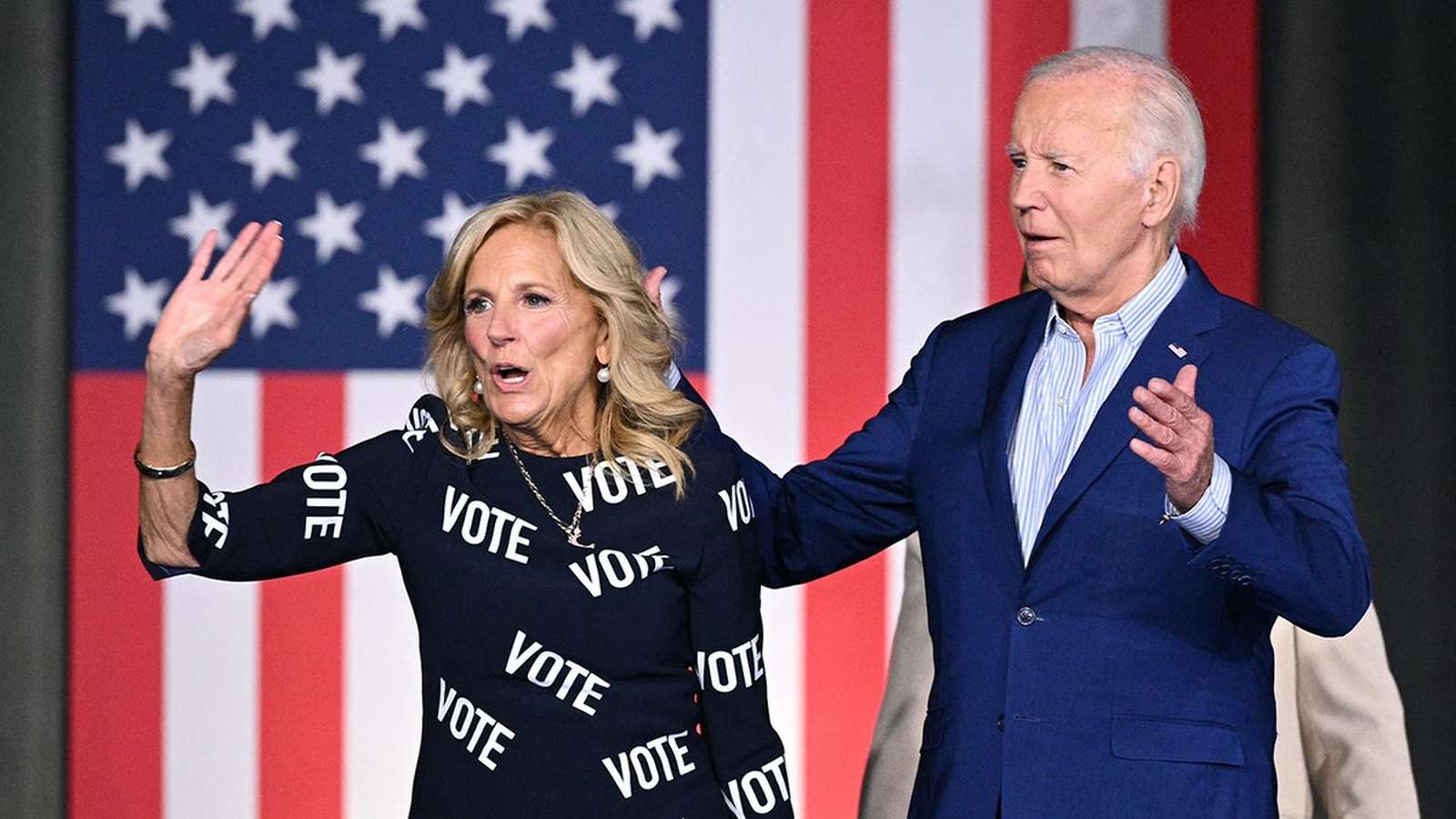
In a striking departure from the carefully managed narrative maintained by the Biden campaign throughout the summer of 2024, former First Lady Jill Biden has provided an unprecedented look into the private panic that unfolded behind the scenes during the June presidential debate. In an interview released on May 27, 2026, Mrs. Biden disclosed to CBS News that her immediate reaction to her husband’s faltering performance was one of profound alarm. “I was frightened, because I had never ever seen Joe like that before or since,” she stated. “As I watched it, I thought, ‘Oh, my God, he’s having a stroke.’ And it scared me to death.”
Contrasting Public Stance with Private Reality
This admission stands in stark contrast to the messaging deployed by the White House and the Biden campaign in the immediate aftermath of the event. While the former First Lady’s concerns were visceral and immediate, the official response from the administration remained focused on dismissing the performance as a “slow start” or the result of a lingering illness. This dissonance between the private reality of the President’s inner circle and the public assurances provided to the Democratic base highlights the immense pressure exerted on the administration to project stability, even as internal confidence began to fracture.
The Political Aftermath
The 2024 debate proved to be a terminal inflection point for President Biden’s reelection bid. The event, which saw the President struggle to maintain his train of thought while sparring with Donald Trump on key policy issues, triggered a cascade of doubt within the Democratic Party. Despite initial insistence from the campaign that the President would remain in the race, the growing concerns regarding his age and mental acuity—coupled with subsequent performances at a NATO summit—eventually forced the first withdrawal of an incumbent president since Lyndon B. Johnson in 1968.
Historical Significance and Internal Dynamics
The revelation underscores the complex internal dynamics of the Biden family and their influence on the administration’s trajectory. Former Vice President Kamala Harris, who eventually assumed the nomination, has since characterized the decision to persist with the candidacy as “recklessness” in her memoir. By confirming that even those closest to the President questioned his physiological state during that defining hour, Jill Biden’s account provides a critical piece of the puzzle regarding why the party ultimately pivoted toward a leadership change, albeit at a late stage in the election cycle.
The retrospective nature of this admission serves to crystallize the volatility of the 2024 electoral cycle. By validating the fears that were widely speculated upon by media analysts and political strategists at the time, the former First Lady has effectively closed the chapter on the “official” narrative of the debate. The disclosure underscores the profound challenges inherent in modern political campaigns, where the personal health and capacity of a leader must be balanced against the institutional imperatives of a national party, ultimately illustrating the high human cost of high-stakes governance.