


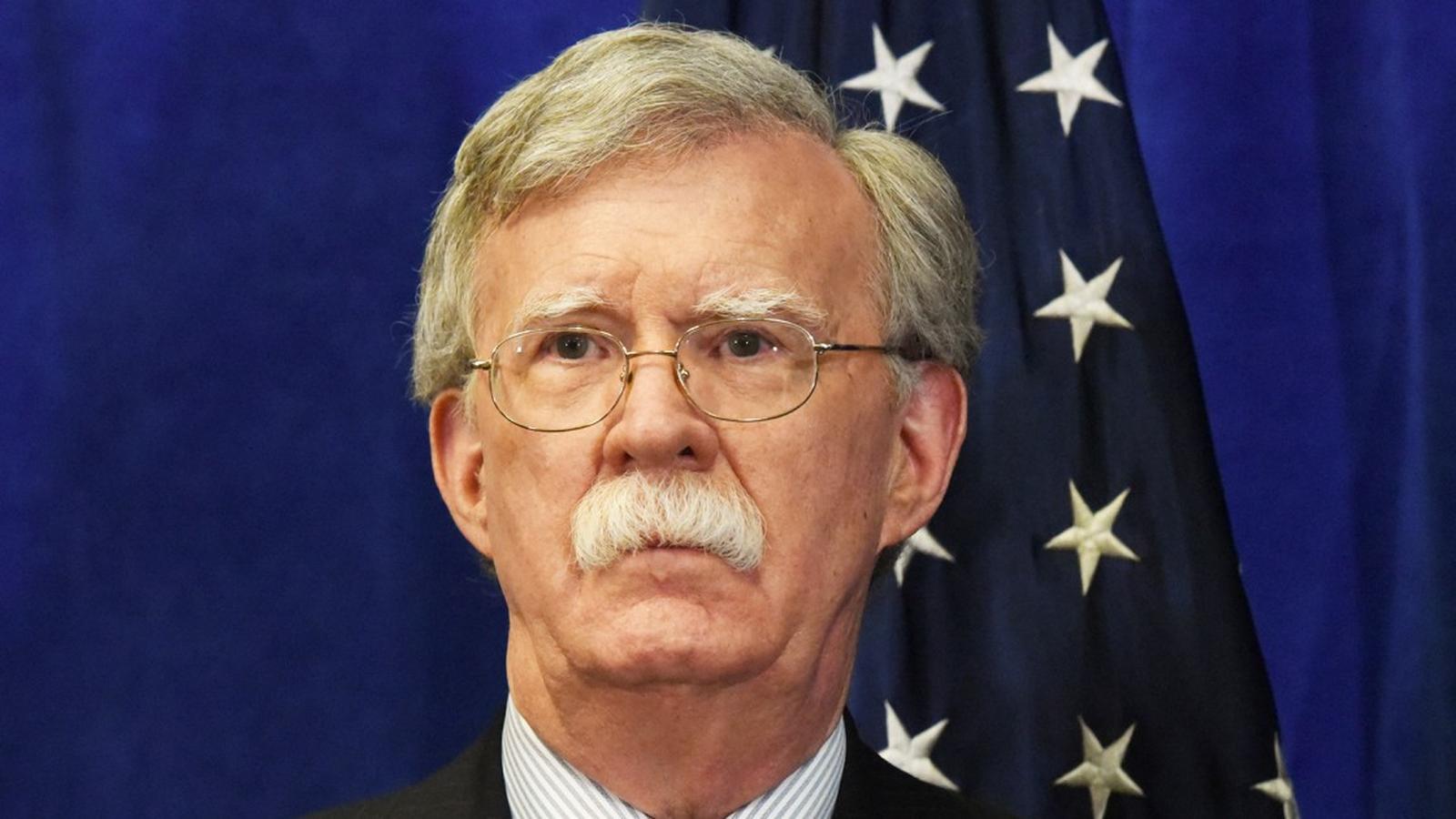
Federal Prosecutors Accelerate Case Against Bolton
The pace of federal investigation into former National Security Adviser John Bolton has picked up dramatically in recent days. According to sources cited by MSNBC and CBSAustin, the acting U.S. Attorney in Maryland, Kelly Hayes, is moving forward to seek criminal charges against Bolton. The central issue: allegations that Bolton improperly kept classified national security documents at his home in Bethesda, Maryland, and possibly sent some to family members via a private server while serving in the White House.
For several weeks, a grand jury in Maryland has been examining evidence related to these claims. The urgency surrounding the case has increased, with attorneys expecting a complaint or indictment as early as next week. If charges are filed, Bolton would become the third prominent critic of President Donald Trump’s administration to face federal prosecution within weeks, following similar cases against former FBI Director James Comey and New York Attorney General Letitia James.
Inside the Investigation: Raids, Redactions, and Sources
On September 22, FBI agents conducted an unannounced search of Bolton’s residence, acting on a warrant approved by a federal judge and based on intelligence provided by the CIA. The search aimed to locate suspected classified records. The same day, FBI Director Kash Patel posted on social media, emphasizing that “NO ONE is above the law,” underscoring the gravity and public visibility of the investigation.
Bolton’s attorney, Abbe Lowell, has vigorously denied any wrongdoing, stating that the classified documents in question date back to Bolton’s tenure as U.S. ambassador to the United Nations during the George W. Bush administration. Lowell has argued that such records are typical for long-serving government officials and insists that an “objective and thorough review will show nothing inappropriate was stored or kept by Ambassador Bolton.” As of Friday, neither Lowell nor the Department of Justice had responded to further media requests for comment.
A recently unsealed affidavit revealed details about the FBI’s probable cause for the raid. Notably, page 12 of the document—titled “Hack of Bolton’s AOL Account by Foreign Entity”—was entirely redacted. Sources familiar with the investigation explained to MSNBC that this section describes how U.S. intelligence agencies discovered Bolton’s emails during surveillance of an unnamed foreign government. The revelation not only fueled the current probe but also highlighted the delicate nature of intelligence-gathering methods, with officials expressing concern that disclosing such details could be more damaging to U.S. national security than any potential mishandling by Bolton himself.
Political Context and Legal Dynamics
The case against Bolton unfolds against a backdrop of intense political maneuvering within the Department of Justice. Unlike resistance seen among career prosecutors in Virginia—who pushed back against pressure to charge Comey and James—Maryland’s legal team reportedly views the charges against Bolton as having factual merit. Acting U.S. Attorney Kelly Hayes has communicated to colleagues that there is a reasonable basis for prosecution.
Meanwhile, high-level oversight continues. Ed Martin, Trump’s former acting U.S. attorney in the District of Columbia and current head of the Justice Department’s Weaponization Working Group, has met several times with Hayes to monitor the progress of the Bolton case. These meetings signal the administration’s keen interest and involvement in the legal process.
One legal tactic under consideration is filing a rushed complaint—a strategy that would allow prosecutors to quickly bring criminal allegations before the court and seek a grand jury indictment at a later stage. This method reflects the urgency and complexity of the case, as investigators balance the need for swift action with the challenges of handling sensitive classified material.
Bolton’s Place in the Broader Narrative
John Bolton, a seasoned diplomat and hawkish foreign policy figure, has long been a vocal critic of Donald Trump, especially after his dismissal from the administration. His outspoken nature and willingness to challenge presidential decisions have made him a prominent—and controversial—figure in American political discourse.
The current investigation is not only a legal matter but also a test of institutional integrity. Career prosecutors in Maryland are taking pains to ensure that any charges brought forward are based on factual evidence and not political retaliation. The contrast between Maryland’s approach and the situation in Virginia—where Trump’s personal attorney Lindsey Halligan took a leading role in presenting evidence to grand jurors—underscores the variable dynamics at play within the federal justice system.
Bolton’s case also raises broader questions about the handling of classified documents by senior government officials. The U.S. government’s decision to move forward with the investigation, despite the risks of exposing intelligence methods, indicates a determination to uphold the law even when it may come at a cost to national security interests.
What Happens Next?
As of now, all eyes are on the Maryland grand jury and the Justice Department’s next moves. Should an indictment be filed next week, Bolton will face a complex legal battle, with ramifications for both his personal reputation and the broader debate over classified information and accountability at the highest levels of government.
Bolton’s attorney maintains that the documents in question are a routine part of a long public service career and that no laws were broken. Yet, prosecutors believe there is enough factual merit to proceed. The outcome will likely hinge on the specifics of what was found, how it was handled, and the context in which these records were kept or transmitted.
The investigation’s origins—rooted in intelligence operations and complicated by foreign actors—add another layer of intrigue. The government’s choice to reveal certain surveillance capabilities in the pursuit of justice could have lasting implications for how such cases are managed in the future.
As federal prosecutors in Maryland move closer to charging John Bolton, the case stands as a revealing moment for American justice. It is a story about the tension between transparency and security, about the burden of proof in politically charged times, and about the lengths to which institutions will go to enforce accountability—even when the cost may be high. The next chapter, unfolding in the courtroom, will be watched closely not only for its legal outcome but for what it says about the integrity of the system itself.