

Quick Read
- A 35-year-old man is in custody after a woman’s body was left on a paramedic stretcher in Joondalup.
- The incident occurred at 9:30 AM on May 13, 2026, near Grand Boulevard.
- Police have seized an ambulance for forensic testing and are reviewing CCTV from local businesses.
- Authorities state the death is an isolated matter with no ongoing threat to the community.
- The event highlights growing security concerns in Joondalup following a prior stabbing in April.
The Grand Boulevard Incident: A Breach of Public Order
On the morning of May 13, 2026, the quiet professional atmosphere of Grand Boulevard in Joondalup, Western Australia, was shattered by a clinical yet disturbing event. At approximately 9:30 AM, a 35-year-old male approached a St John Ambulance crew stationed near the city’s primary shopping precinct. According to police reports and eyewitness accounts, the man was carrying an unconscious young woman. In a move that has stunned local authorities, he placed her directly onto a paramedic’s stretcher before fleeing the scene. Despite immediate medical intervention, the woman was pronounced deceased shortly thereafter. This incident, occurring in broad daylight within one of the state’s fastest-growing urban hubs, has triggered a massive law enforcement response and a forensic investigation into the circumstances of her death.
Forensic Protocols and the Investigative Response
Detective Inspector Jayd Morawski of the Western Australian Police confirmed that while the woman has not been formally identified, investigators have established contact with individuals believed to be her next of kin. The police response was swift and multi-faceted, involving the Major Crime Division, general detectives, and specialist forensic units. By Wednesday afternoon, a 35-year-old man was taken into custody to assist with inquiries. Although no charges have been laid as of the latest briefings, the investigation remains focused on the timeline between 9:30 AM and 9:45 AM. The ambulance used by the St John crew was seized for comprehensive forensic swabbing, with technicians searching for DNA, fingerprints, and fiber evidence that might link the suspect to the victim and the cause of death.
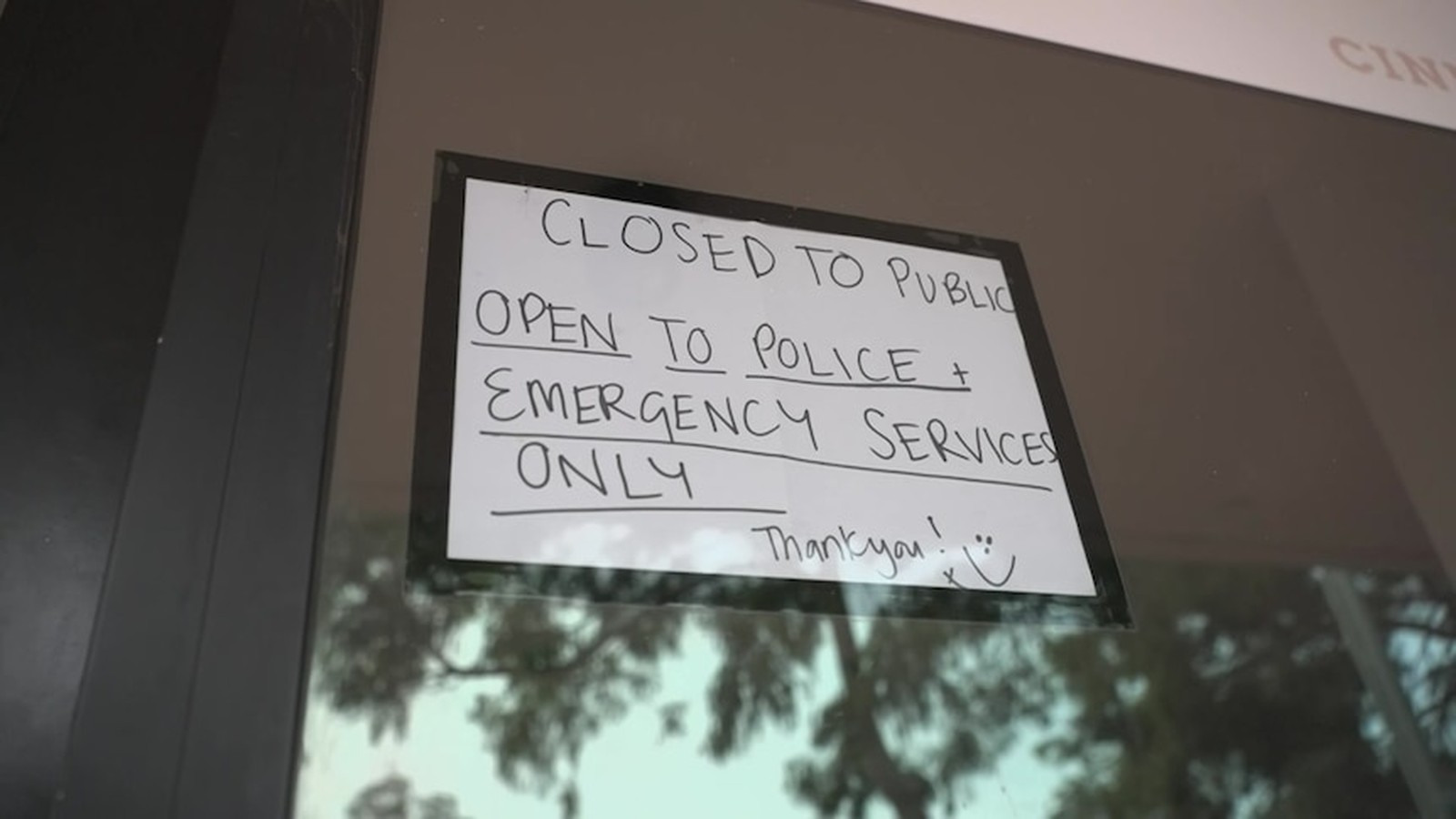
The geographical focus of the probe centered on the Arthouse apartments and the surrounding commercial district. CCTV footage from local businesses, including the popular Cinnayum café—which was forced to suspend operations—has been collected to reconstruct the suspect’s movements. Detective Inspector Morawski emphasized that while the cause of death remains undetermined, the police are treating the matter as an isolated incident, explicitly stating that there is no broader threat to the Joondalup community. However, the institutional stakes are high; the efficiency of the response is being viewed as a litmus test for the security infrastructure of Perth’s secondary Central Business District (CBD).
Joondalup’s Urban Evolution and Security Challenges
The tragedy on Grand Boulevard does not exist in a vacuum. Joondalup is currently navigating a complex transition from a suburban satellite to a high-density urban center. This development brings with it the inherent challenges of managing public safety in a growing metropolis. This incident follows a critical stabbing of a teenage boy on a public bus in April 2026, an event that had already sensitized the public to issues of transit and street-level security. Conversely, the city recently celebrated the professional return of a former neonatal patient as a graduate nurse to the Joondalup Health Campus, highlighting the community’s social capital. The juxtaposition of these events underscores the volatility of urban growth where institutional excellence in healthcare and commerce must be matched by robust policing and social safety nets.
Community Resilience and Institutional Accountability
Local residents have expressed a mixture of shock and demand for transparency. Mohammad La Faraj and Ken Forrest, residents of the apartment complex where the investigation focused, noted that such a heavy police presence is atypical for the area but reflects a growing anxiety regarding the ‘second CBD’s’ safety profile. From a policy perspective, the incident necessitates a review of how emergency services are protected and utilized in public spaces. The fact that a paramedic crew—trained for life-saving interventions—was used as a drop-off point for a deceased individual poses significant psychological and operational risks to first responders. St John Ambulance has confirmed that the impacted crew is receiving professional support, yet the broader question of how to secure these mobile medical units in high-traffic areas remains a subject of debate among urban planners and law enforcement agencies.
The Joondalup incident represents a profound intersection of criminal investigation and urban policy. While the immediate police response appears technically proficient, the recurring nature of high-profile violence in the northern corridor suggests that Joondalup’s rapid expansion is outpacing its current security framework. For the city to maintain its status as a viable alternative to Perth’s primary CBD, institutional stakeholders must prioritize comprehensive surveillance and community policing strategies that address the root causes of urban instability.