


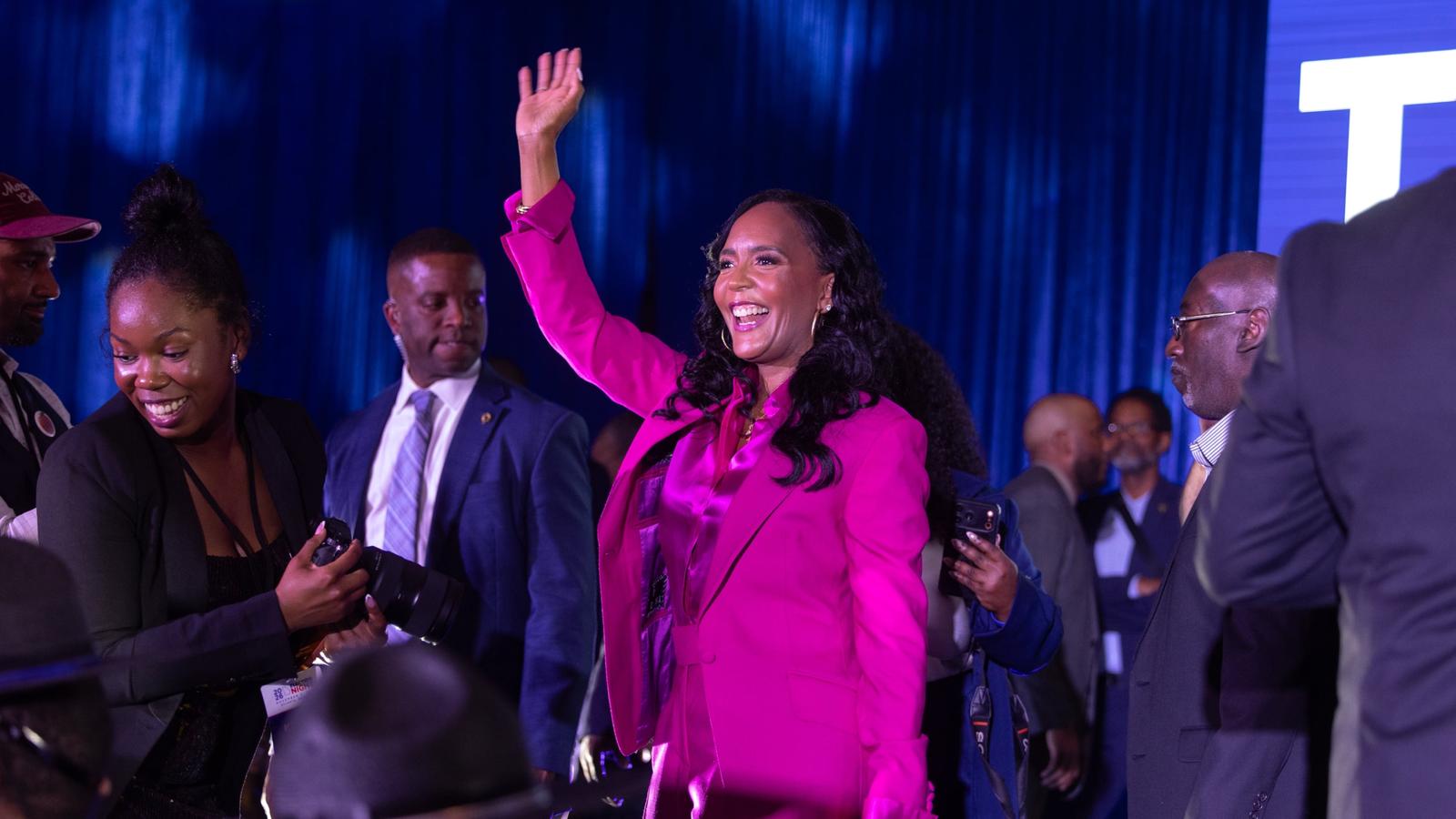
Democrat Keisha Lance Bottoms won Georgia’s race for governor on Tuesday, November 3, 2026, defeating wealthy self-funding Republican healthcare executive Rick Jackson. The Atlanta Journal-Constitution reported that Bottoms’ victory makes her the first Black woman in U.S. history elected to lead a state government, while also shattering state barriers in a jurisdiction that had never previously elected a woman or a Black person to its highest executive office.
The historic outcome marks a stunning reversal for Republicans, who had controlled the Georgia Governor’s Mansion since 2002 when Sonny Perdue defeated Democrat Roy Barnes. Bottoms succeeds term-limited Republican Governor Brian Kemp, capping a major Democratic wave in the state that saw a sweep of statewide offices during the November 2026 midterm elections.
Overcoming Financial and Political Headwinds
Bottoms’ path to the governor’s mansion required navigating intense financial and political headwinds. She confronted unprecedented spending by Rick Jackson, who poured millions of dollars of his fortune into the campaign. The contest tested whether voters still trusted Bottoms after her turbulent four-year tenure as Atlanta mayor, which was tested by the COVID-19 pandemic, social justice protests, and civil unrest following the 2020 murder of George Harris.
Despite facing scrutiny over her mayoral record and criticism from opponents backed by Donald Trump, Bottoms mobilized a broad coalition of voters. Her campaign focused on expanding healthcare access, lowering local taxes, and addressing economic affordability across the state. The victory also represents a remarkable political comeback for Bottoms, who had stepped away from frontline elective politics before returning to capture the Democratic nomination.
Institutional Stakes and Governing Challenges
As governor of a critical southern battleground state, Bottoms will immediately assume high-stakes responsibilities. She will oversee an administration that plays a crucial institutional role, including certifying the upcoming 2028 presidential election results. At the same time, she faces significant legislative hurdles.
Bottoms must govern alongside a Republican-controlled state legislature. Observers note that her policy agenda—including proposals on healthcare and local government funding—will face rigorous scrutiny and potential gridlock as lawmakers prepare for upcoming legislative sessions and debates over state redistricting and executive powers.
The broader implications of the election extend well beyond the executive mansion. Down-ballot results showed a powerful surge for Democrats across Georgia, securing victories in multiple statewide constitutional offices and reinforcing the shifting dynamics of a state that had long resisted statewide Democratic control. Party strategists noted that coordinated campaigning alongside figures like U.S. Senator Jon Ossoff provided critical momentum down the stretch.
Throughout the campaign, national figures amplified the race’s profile. Former President Barack Obama endorsed Bottoms in a video spot, while prominent Democratic governors and federal lawmakers traveled to Georgia to rally support. These efforts helped consolidate a diverse voter coalition that counterbalanced Jackson’s self-funded financial advantage.
For Jackson, the transition from a combative primary to the general election proved complex. Having positioned himself closely to Donald Trump during the Republican primary contests, Jackson faced sustained Democratic messaging tying him to controversial past statements and low state approval ratings for Trump. Although Jackson ultimately acknowledged Joe Biden’s 2020 victory ahead of the general election, lingering friction from the primary—including a lack of public endorsement from defeated runoff rival and Lieutenant Governor Burt Jones—left portions of the Republican base fractured.
As Bottoms prepares to take office, her administration will be tasked with turning ambitious campaign promises into legislative reality. Full Medicaid expansion, creating a statewide affordable housing trust fund, and strengthening public education remain central pillars of her mandate. However, fulfilling these goals will demand delicate negotiations with a conservative legislature, testing her executive leadership in a newly competitive political landscape.