


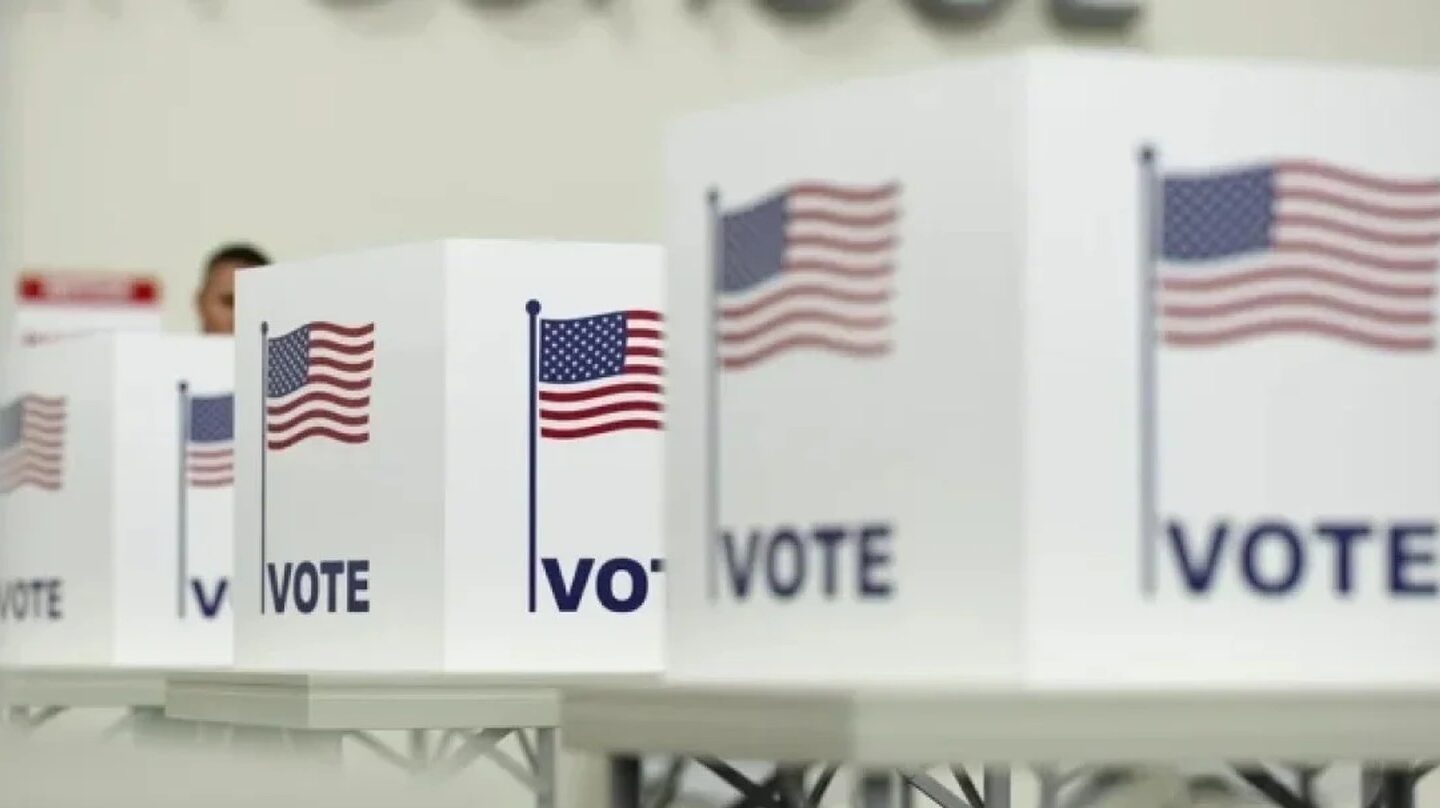
Federal Authority and the 2026 Midterm Stakes
A 17-page executive order proposal surfaced in mid-March 2026, outlining a framework that would significantly expand federal influence over US-administered election processes. The document, which has circulated among political circles, details specific mechanisms for federal intervention in election oversight, marking a sharp departure from the traditional decentralization of American voting systems. The emergence of this text has intensified the national debate regarding the constitutional limits of executive power during the lead-up to the 2026 midterm elections.
Public Denials vs. Documented Plans
While allies of former President Donald Trump have publicly dismissed allegations of planning federal election takeovers as political theater, the specificity of the leaked proposal has drawn immediate scrutiny from legal scholars and state election officials. The document outlines protocols for the potential federalization of ballot counting and the standardization of poll books, measures that critics argue would directly infringe upon the authority granted to states under the U.S. Constitution. The tension between public rhetoric and the contents of the leaked text has created a volatile climate for election administrators already navigating complex logistical updates.
Logistical Challenges in Local Administration
As the debate over centralized control intensifies, local jurisdictions are simultaneously working to modernize their own procedures. In Dane County, Wisconsin, officials recently announced a transition to earlier absentee ballot mailing timelines to combat mail-related delays that plagued previous cycles. Clerks in Madison are now partnering with private logistics firms to secure the chain of custody for ballots, a move designed to restore voter confidence following documented counting errors in 2024. These local efforts reflect an urgent need to secure existing infrastructure, even as the specter of federal intervention looms over the broader electoral landscape.
The potential for federal seizure of election control represents a fundamental challenge to the American democratic structure, shifting the focus from administrative improvements to the survival of state-level autonomy in the 2026 cycle.