


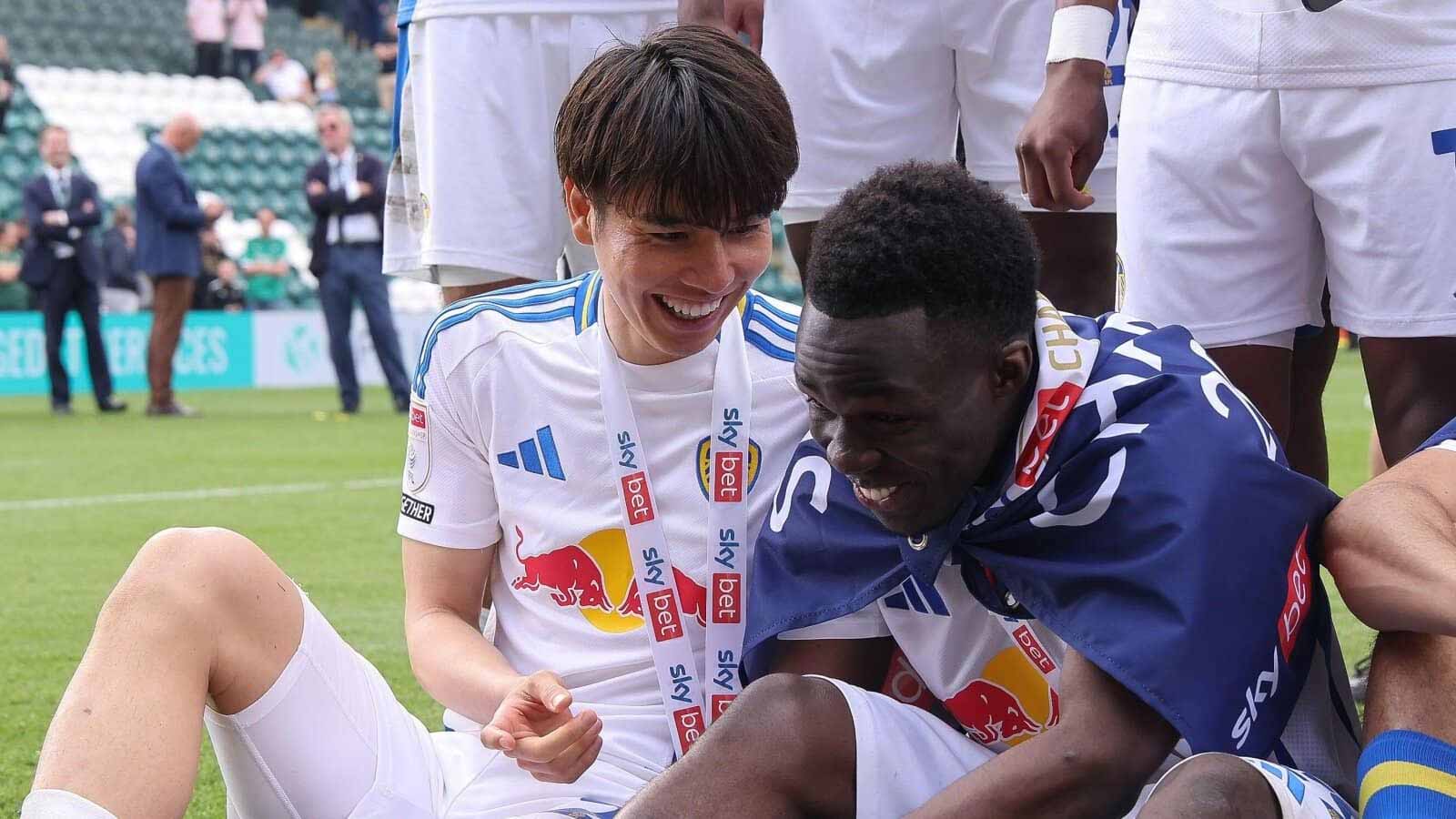
Leeds United Weighs Gnonto’s Future as January Window Approaches
The days leading up to the January transfer window have rarely felt so consequential at Elland Road. Leeds United, a club with deep ambitions and a recent history of bold moves, is now wrestling with one of its toughest decisions: should they part ways with Willy Gnonto, their 22-year-old Italian forward, in hopes of revitalizing their attack?
Gnonto’s journey this season has been turbulent. After a promising start in previous campaigns, he was sidelined by a calf injury in mid-September, limiting him to just four league appearances and a single assist. The timing couldn’t have been worse. Leeds, having spent more than £100 million in the summer to bolster their Premier League credentials, has found its attacking options stretched thin, and Gnonto’s absence has left manager Daniel Farke searching for answers.
From Injury to Uncertainty: Gnonto’s Role in the Squad
Gnonto’s recovery is reportedly nearly complete, with his return potentially coinciding with Leeds’ upcoming clash against Aston Villa. Yet, despite his imminent comeback, speculation is mounting about his long-term role at the club. Transfer expert Dean Jones told SSBCrack News and echoed in El-Balad, “This is going to be a transfer window of opportunism,” suggesting that Leeds is open to offers for Gnonto if the right price is tabled. Several clubs are monitoring the situation, and a strong bid could tempt the player into a new chapter elsewhere.
The context is important: last summer, Gnonto was at the center of transfer drama, reportedly attempting to force a move amid Leeds’ relegation struggles. While he has since worked to rebuild his rapport with the fanbase, his injury and limited impact this season have reignited doubts. Still, when fit and in form, Gnonto brings an attacking balance that Leeds sorely misses—his presence often makes the difference in their forward play.
Financial Calculus and Squad Reshuffling
Leeds’ willingness to consider selling Gnonto is not just a matter of form—it’s strategic. The club is seeking fresh attacking reinforcements, and Gnonto’s sale could free up significant funds for new signings. Managing Director Robbie Evans has been candid about the dilemma, previously stating a preference for retaining key assets. But with the squad’s attacking struggles laid bare, priorities may be shifting.
Gnonto’s potential departure is part of a broader reshuffling. Leeds is reportedly weighing the loan exit of promising talent Harry Gray, whose performances have caught the attention of several clubs. There’s also talk of recalling striker Joe Gelhardt from his Under-21 assignment, banking on his strong recent form to inject new energy into the first team. Meanwhile, Leeds has distanced itself from pursuing Ivan Toney, citing multiple factors, and is reportedly reconsidering interest in Troy Parrott after his encouraging displays for the Republic of Ireland.
Fan Sentiment and the Risks of Change
For Leeds supporters, the prospect of losing Gnonto is fraught with anxiety. His raw pace and creativity have, in better moments, electrified Elland Road. Yet, the reality is that football is as much about pragmatism as it is about sentiment. Leeds must balance the desire to build a competitive squad with the need to remain financially sustainable. Selling Gnonto might provoke discontent, especially given his efforts to mend fences after last summer’s unrest, but the club’s broader ambitions could force their hand.
The window ahead is, as Jones puts it, “a transfer window of opportunism.” Leeds can’t afford to stand still. The club’s summer spending spree was meant to lay the foundation for Premier League stability, but injuries and uneven performances have exposed lingering vulnerabilities—especially up front.
The Road Ahead: Decisions That Will Define the Season
As the January window nears, the pressure mounts not just on Gnonto, but on the entire Leeds hierarchy. Every choice—whether to sell, loan, or recall—carries long-term implications. Leeds’ ability to navigate this juncture will shape their season, their relationship with supporters, and perhaps even their future trajectory in English football.
Industry insiders suggest that several clubs are waiting in the wings, ready to pounce if Leeds decides to cash in. Yet, the club’s reluctance to part with key players in the summer shows a pattern of caution. Will pragmatism win out, or will sentiment tip the scales?
What’s clear is that Leeds United stands at a crossroads. Gnonto’s fate is emblematic of broader challenges—the need to refresh the squad, to manage finances, and to keep the faith of a passionate fanbase. The next few weeks could define not just a player’s career, but the club’s trajectory for seasons to come.
Leeds United’s handling of the Gnonto situation will reveal much about their ambition and adaptability. If they choose to sell, it’s a calculated risk—one that could unlock new attacking options but also test the resolve of their supporters. Their willingness to make bold, sometimes unpopular decisions may be the key to building a squad capable of meeting the demands of Premier League football in 2025 and beyond.