

Quick Read
- Former Victoria’s Secret CEO Les Wexner testified before the House Oversight Committee on February 18, 2026.
- Wexner claimed he was “conned” by Jeffrey Epstein and had no knowledge of his crimes.
- He stated he cut ties with Epstein nearly two decades ago after discovering financial misappropriation.
- Wexner’s legacy in Ohio is under scrutiny due to his long-standing association with Epstein.
- The deposition is part of an ongoing House probe into the federal handling of the Epstein case.
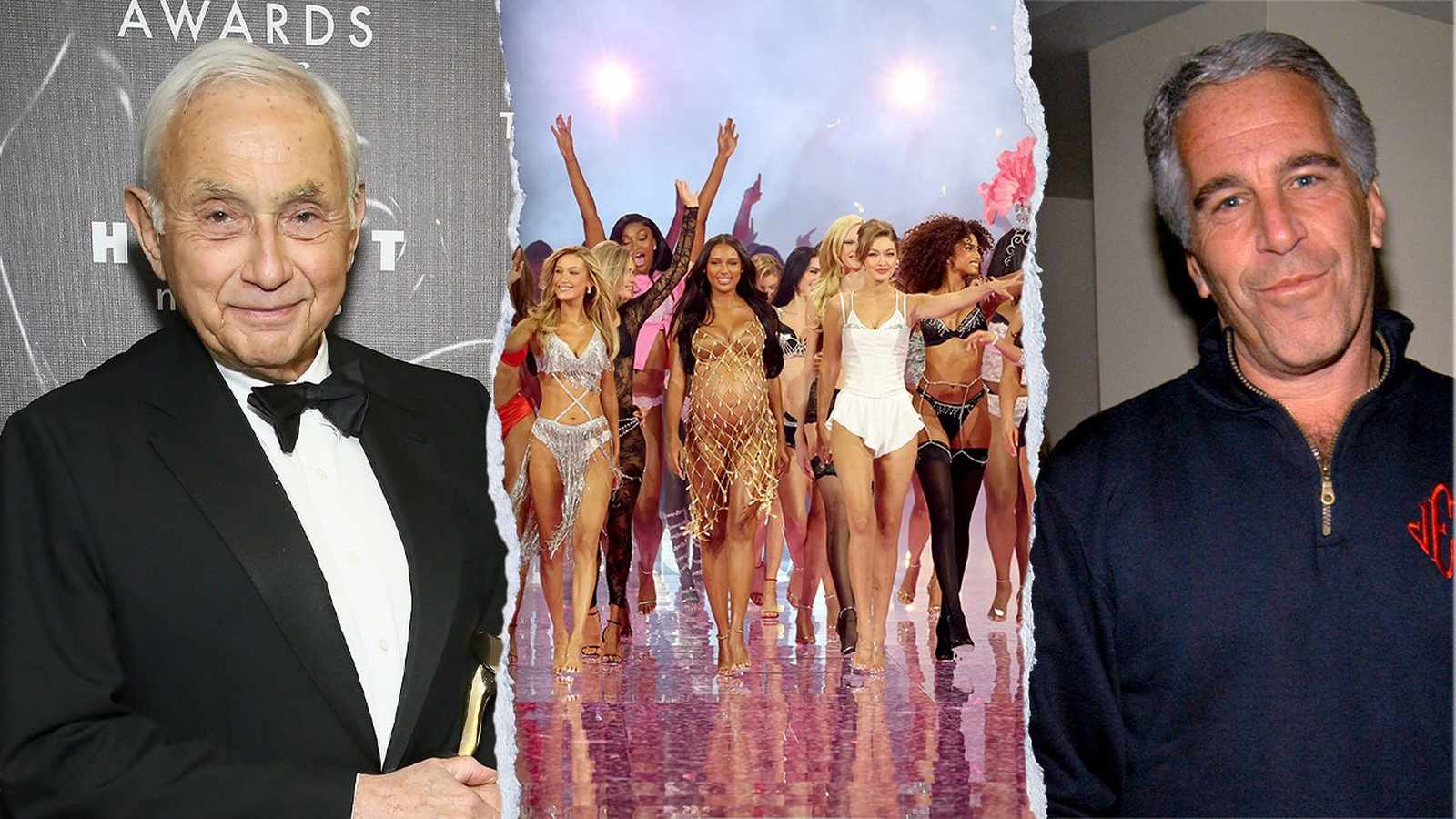
NEW ALBANY, Ohio (Azat TV) – Former Victoria’s Secret CEO Les Wexner told House investigators on Wednesday, February 18, 2026, that he was “conned” by the late sex offender Jeffrey Epstein, vehemently denying any knowledge of or participation in Epstein’s criminal activities. Wexner’s closed-door deposition is a pivotal moment in the House Oversight Committee’s ongoing probe into the federal government’s handling of the Epstein case, bringing renewed scrutiny to the billionaire’s long-standing ties with the disgraced financier.
In an opening statement obtained by Fox News Digital, Wexner, 88, stated, “I was naïve, foolish, and gullible to put any trust in Jeffrey Epstein. He was a con man.” He added, “I completely and irrevocably cut ties with Epstein nearly twenty years ago when I learned that he was an abuser, a crook, and a liar.” Wexner emphasized that he was “never a participant nor coconspirator in any of Epstein’s illegal activities,” expressing profound embarrassment and regret for having ever met him.
Wexner Denies Knowledge of Epstein’s “Double Life”
Wexner, the founder of L Brands (formerly The Limited), which once owned Victoria’s Secret, Bath & Body Works, and Abercrombie & Fitch, painted a picture of himself as a victim of Epstein’s elaborate deception. He claimed Epstein was a “clever, diabolical, and a master manipulator” who “fully hid” his crimes, presenting himself as a sophisticated financial guru with connections to global elites. Wexner asserted he never socialized in Epstein’s inner circle and never witnessed Epstein in the company of a minor, nor would he have tolerated such behavior.
The relationship between Wexner and Epstein began in the 1980s, when Wexner was introduced to Epstein by a fellow executive. Epstein was subsequently endorsed by individuals at Bear Stearns and highly recommended by Elie de Rothschild for his financial acumen. Wexner explained that Epstein initially offered financial advice without compensation, slowly building trust before eventually becoming Wexner’s financial advisor and being granted power of attorney over his vast wealth. Wexner also sold his Manhattan townhouse to Epstein, a property later identified by federal authorities as a site where Epstein abused young women and girls.
Wexner maintained he was unaware of Epstein’s “double life” and that his focus was primarily on running his burgeoning retail empire. He stated that it was only in late 2007 or early 2008, as the first allegations against Epstein in Florida emerged, that his team discovered Epstein had “misappropriated vast sums of money” from him and his family. This discovery, Wexner claimed, led to the immediate severing of all ties.
The Broader Impact on Wexner’s Ohio Legacy
Wexner’s deposition comes as his once-unassailable legacy in Ohio faces significant challenges. For decades, Wexner was revered as a titan of industry and a philanthropic force, instrumental in transforming Columbus and the exurban enclave of New Albany. His name adorns a hospital, an art gallery, and a football training complex at Ohio State University, reflecting his deep influence on the state’s civic and political landscape, as reported by NBC News.
However, the resurfacing of his connection to Epstein, particularly after a 2019 FBI document named him as a “co-conspirator,” has cast a shadow over his achievements. While a Wexner legal representative stated he was informed in 2019 that he was “neither a co-conspirator nor target,” the public scrutiny has intensified. Politicians across Ohio have faced pressure to redirect campaign contributions received from Wexner, with some, like Rep. Joyce Beatty and State Treasurer Robert Sprague, already doing so to organizations supporting victims of sex trafficking.
The controversy extends to Ohio’s closely watched Senate race, where Senator Jon Husted has directed his campaign to donate Wexner’s contributions to charity, while Senator Bernie Moreno has stated he has no plans to do so. Wexner, who announced he was no longer a Republican in 2018, had previously been a significant donor to both Republican and, through his wife, Democratic causes, but his political influence has waned amid the Epstein scandal, with some operatives questioning if his money is now “more trouble than it was worth.”
House Oversight Committee’s Ongoing Epstein Probe
The House Oversight Committee’s investigation, led by Chairman James Comer (R-Ky.), seeks to understand how Epstein managed to evade justice for so long. Wexner is the fourth high-profile individual to be deposed in this probe, following former Trump administration Attorney General Bill Barr, ex-Trump Labor Secretary Alex Acosta (who oversaw Epstein’s 2008 non-prosecution agreement), and convicted Epstein accomplice Ghislaine Maxwell. Maxwell’s deposition was notably brief, as she invoked her Fifth Amendment right.
Wexner’s testimony is expected to provide crucial insights into Epstein’s financial dealings and how he accumulated his vast wealth. Despite the claims of being conned, the sheer extent of Epstein’s access and control over Wexner’s finances, including power of attorney and the sale of his Manhattan property, remains a central point of inquiry for investigators seeking to unravel the full scope of Epstein’s network and activities.
Wexner’s impassioned denial of complicity, while asserting himself as a victim of Epstein’s manipulation, highlights the complex narrative emerging from the ongoing federal investigation into how such extensive abuse remained unaddressed for so long. His testimony attempts to reframe his role, but the revelations about Epstein’s influence over his empire continue to challenge the public perception of his legacy.