


Quick Read
- Disney’s live-action remake of *Lilo & Stitch* released in May 2025.
- The ending was changed, with Nani giving up guardianship of Lilo to pursue her dreams.
- Fans criticized the change, arguing it undermines the original message of ‘Ohana means family.’
- Director Dean Fleischer Camp said the update modernizes the story, broadening its themes.
- The film broke records, grossing $341.7 million globally in its opening weekend.
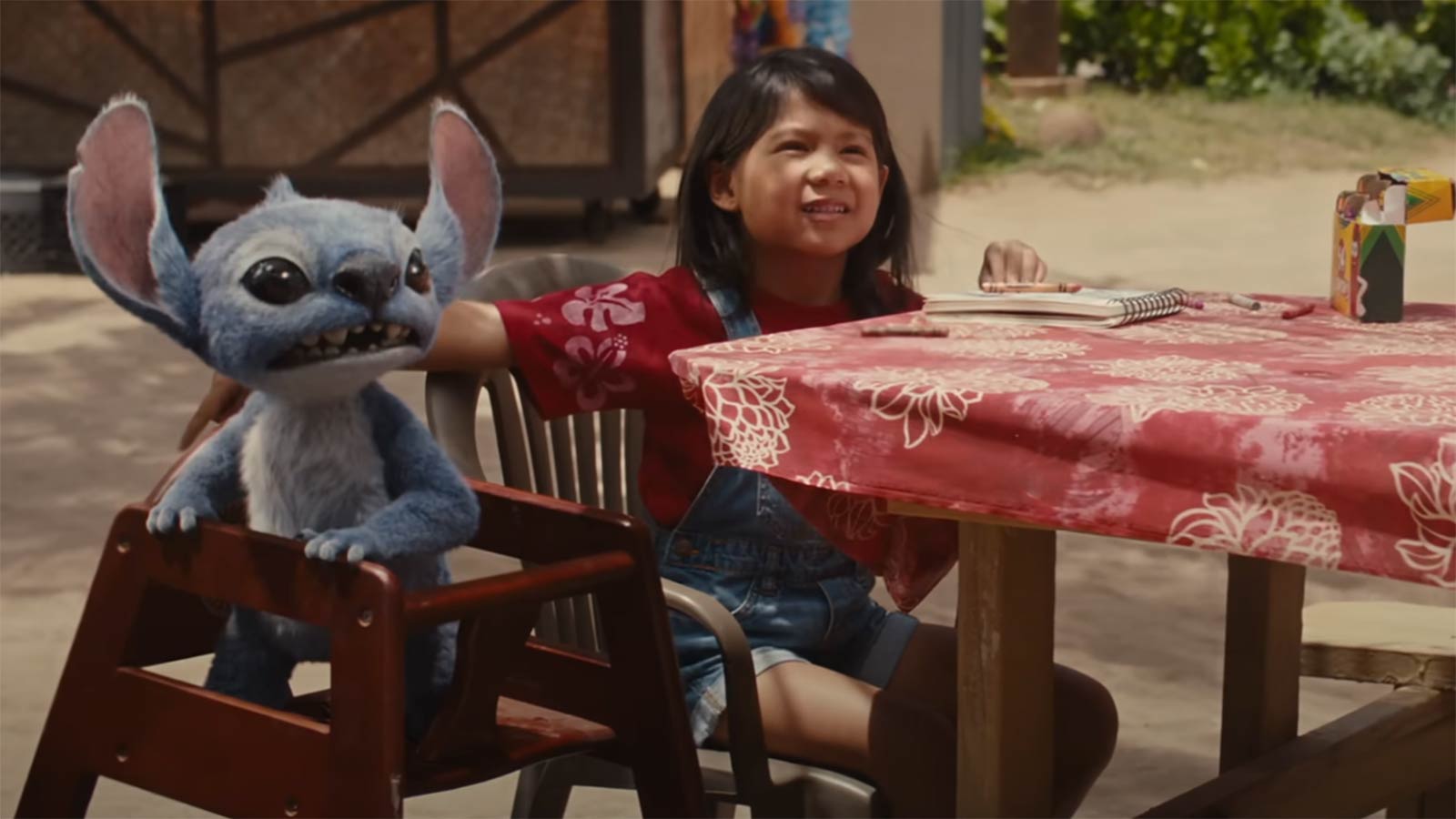
The live-action remake of Disney’s beloved animated classic, Lilo & Stitch, premiered on May 23, 2025, and swiftly broke box office records. Earning $341.7 million globally during its debut weekend, the remake has already surpassed the lifetime gross of the 2002 original. However, while its financial success shines, the film has sparked heated debate over a significant alteration to its iconic ending.
The Controversial New Ending
In the original animated film, Lilo, a young Hawaiian girl, and her sister Nani, who becomes her guardian after their parents’ tragic death, fight to stay together despite mounting challenges. Central to the story is their bond with Stitch, a mischievous alien who learns the true meaning of family, encapsulated in the film’s famous line: “Ohana means family. Family means nobody gets left behind or forgotten.”
In contrast, the 2025 remake takes a markedly different approach. In this version, social worker Mrs. Kekoa, portrayed by Tia Carrere, convinces Nani to relinquish guardianship of Lilo to the Hawaiian government. To keep Lilo close to home, their neighbor Tutu (Amy Hill) becomes her foster guardian. The change allows Nani to pursue her dream of studying marine biology at the University of California, San Diego, leaving Hawaii for the mainland.
The updated ending has ignited backlash online, with fans arguing it undermines the original film’s central theme of family unity. Many expressed disappointment on social media platforms like TikTok and X (formerly Twitter), with one viral post lamenting, “Ohana means family, unless you get to go to college.” Others criticized the decision to portray Nani leaving Hawaii, seeing it as a departure from the cultural integrity of the original story.
Why Fans Feel Betrayed
For many, the heart of Lilo & Stitch lies in its portrayal of resilience, love, and cultural identity. The animated film resonated with audiences for its honest depiction of family struggles, set against the backdrop of Hawaiian culture. Fans argue that the live-action remake’s ending contradicts this essence by prioritizing Nani’s individual aspirations over her commitment to Lilo, a shift that some perceive as dismissive of the “Ohana” philosophy.
Critics have also noted that the change carries uncomfortable implications. Some fans accused Disney of promoting a narrative that encourages native Hawaiians to leave their homeland for opportunities on the mainland. Others went further, interpreting the plot as subtly endorsing the idea of families relinquishing their children to state care—a sentiment that sparked impassioned debates online.
Beyond cultural concerns, viewers also missed the emotional depth of the original film. Key moments, such as Stitch’s poignant connection to the story of “The Ugly Duckling,” were omitted from the remake, further alienating longtime fans. The absence of these scenes, which reinforced themes of belonging and acceptance, left many feeling that the new version lacked the emotional resonance of its predecessor.
The Director’s Perspective
Amid the uproar, director Dean Fleischer Camp defended the decision to revise the ending. Speaking to Deadline shortly before the film’s release, Camp explained that the update aimed to modernize the story and expand its themes. He noted that in the original, Nani was portrayed with an overly idealistic view of her circumstances, often sacrificing her dreams without question. The new ending, he argued, presents a more nuanced perspective by allowing Nani to pursue her ambitions while still ensuring Lilo’s well-being.
“It felt important to acknowledge the complexities of Nani’s situation,” Camp stated. “The idea of ‘Ohana’ isn’t just about keeping everyone physically together—it’s about supporting one another, even if that means making difficult choices.” Supporters of the change, including journalist Laura Sirikul, echoed this sentiment. Writing for Forbes, Sirikul argued that the new ending honors the spirit of “Ohana” by showing that Nani’s aspirations are also valid and deserving of fulfillment.
Nevertheless, Camp’s vision has not swayed all critics. Detractors remain steadfast in their belief that the altered ending dilutes the original film’s emotional impact, sparking ongoing discussions about the challenges of adapting beloved stories for modern audiences.
Box Office Triumph Amid Controversy
Despite the backlash, the live-action remake has been an undeniable commercial success. Its opening weekend earnings of $341.7 million not only set a record for Memorial Day releases but also secured its position as the fifth highest-grossing film of 2025 so far. Analysts attribute its strong performance to a combination of nostalgia-driven marketing, the enduring popularity of Stitch, and a star-studded cast led by Sydney Agudong as Nani and newcomer Maia Kealoha as Lilo.
However, the controversy surrounding the ending highlights the increasingly fraught relationship between Disney’s live-action remakes and their audiences. While updates to classic stories can offer fresh perspectives, they also risk alienating fans who hold deep emotional connections to the originals. The mixed reception of Lilo & Stitch serves as a reminder of the delicate balance required to honor legacy while embracing innovation.
As debates continue to swirl, one thing is clear: Disney’s latest remake has sparked conversations that go beyond the screen, touching on themes of identity, cultural preservation, and the evolving definition of family in a modern world.