


Joint Enforcement Targets Mobility Safety
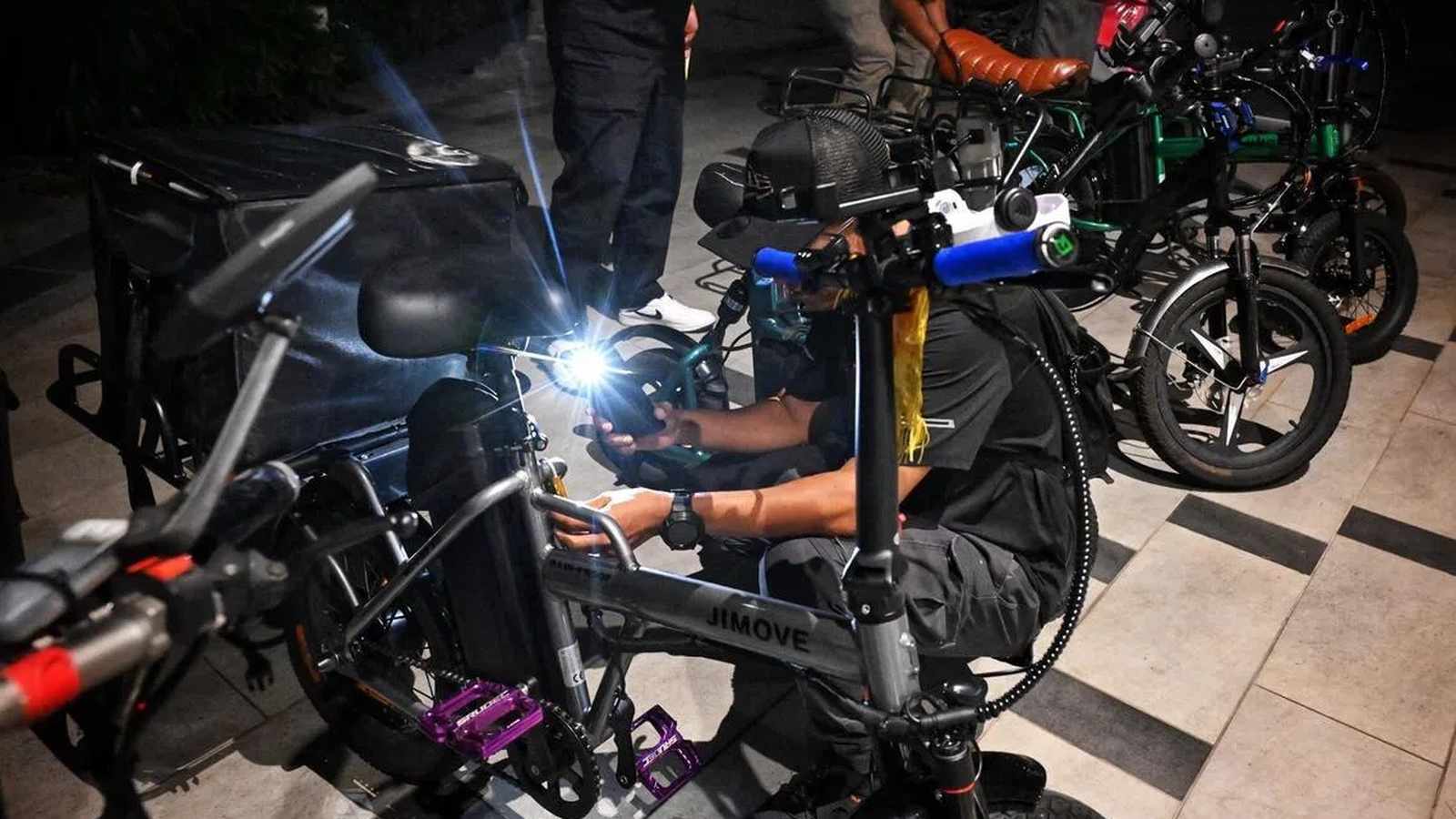
The Land Transport Authority (LTA) and the Singapore Police Force (SPF) have concluded a nine-day joint enforcement operation, resulting in the detection of 250 offences and the seizure of 111 active mobility devices (AMDs). The operation, which ran on non-consecutive days throughout June 2026, focused on high-traffic areas including town centers, residential hubs, and key congregation points in Sengkang, Punggol, and Yishun.
Authorities identified a range of violations, primarily involving non-compliant power-assisted bicycles (PABs) and personal mobility devices (PMDs). Common infractions included the use of tampered or obscured number plates and the operation of devices that exceeded legal speed limits. Officials highlighted that under regulations effective as of June 1, the possession of non-UL2272 certified e-scooters is strictly prohibited, regardless of whether they are in active use.
Technological Advancements in Enforcement
A significant component of the crackdown involved the use of portable Speed Measuring Devices (SMD). Developed in collaboration with Temasek Polytechnic and deployed since November 2025, these tools allow officers to verify the maximum speed of a device while it is stationary. During recent observations, officers utilized these devices to identify modified e-bikes capable of reaching speeds as high as 71km/h—nearly triple the legal limit of 25kmh.
The integration of technology, including the Active Mobility Enforcement and Detection System (AMEDS) cameras, represents a shift toward proactive detection. Previously, enforcement relied heavily on observing speeding violations in real-time, which often proved difficult to capture safely.
Analysis: The Rising Stakes of Urban Mobility
The intensity of this operation reflects the growing tension between the rapid adoption of personal mobility options and the mandate for public safety. As delivery services and personal commuting rely increasingly on AMDs, the prevalence of illegal modifications—such as prohibited throttles and high-output motors—has introduced significant risks to both riders and pedestrians.
The LTA’s firm stance, backed by substantial legal penalties, serves as a deterrent against both individual users and retailers. Individuals found using non-compliant devices face fines of up to $10,000 and imprisonment, while retailers selling unauthorized equipment face even steeper fines of up to $40,000. These measures underscore a regulatory commitment to ensuring that the convenience of active mobility does not come at the expense of standardized safety. Moving forward, the continued collaboration between the LTA and the SPF, supplemented by community engagement, aims to foster a culture of compliance in an increasingly crowded urban landscape.