


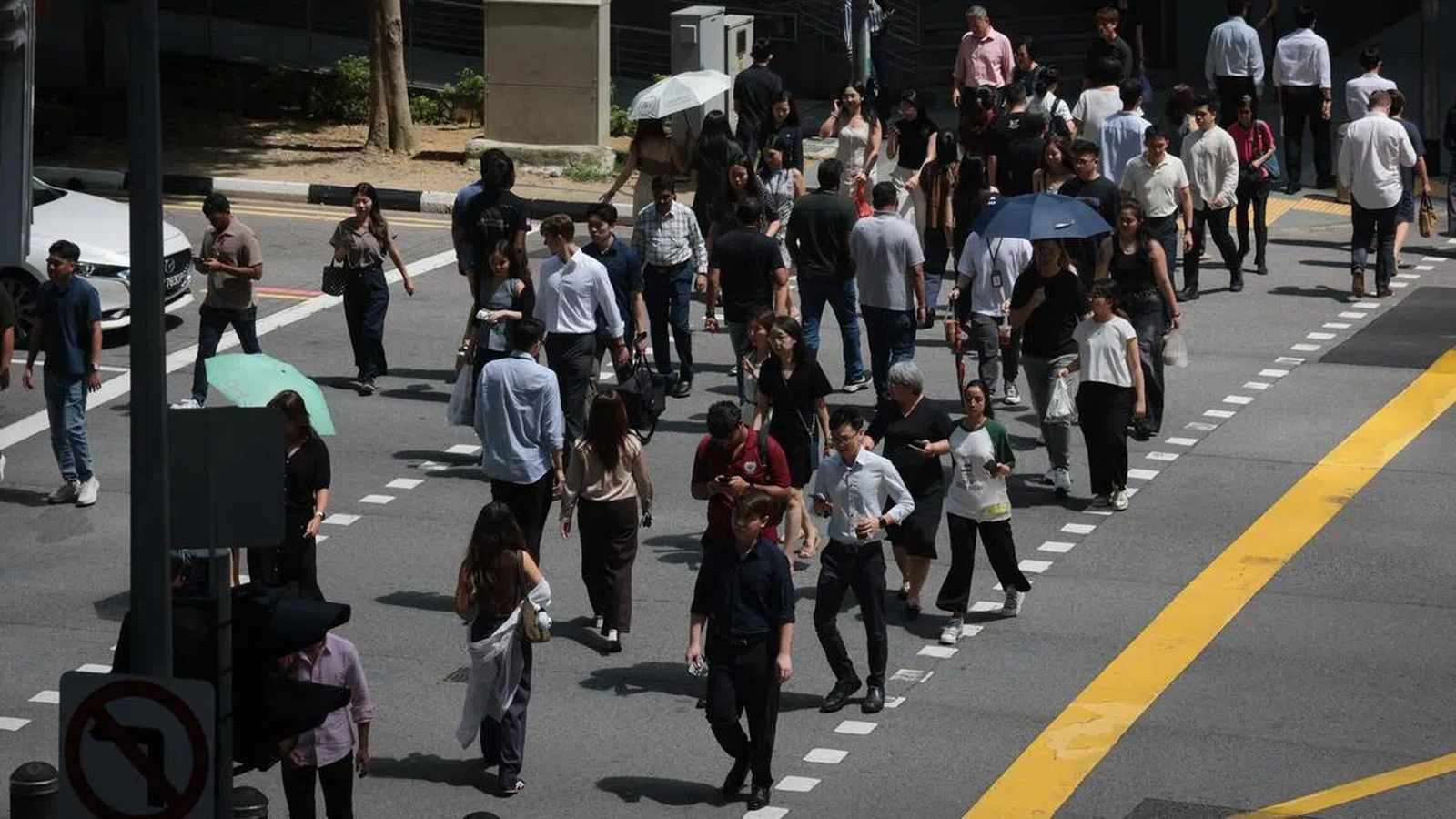
Singapore’s workforce is facing a significant engagement crisis, with recent findings from the inaugural Singapore Workplace Report 2026, published by the Singapore Institute of Directors (SID) and Gallup on June 22, indicating that only 14% of employees in the country feel engaged at work. This figure trails both the global average of 20% and the Southeast Asian regional average of 25%.
The Generational Divide
The report highlights a stark generational split, particularly among workers under 35. Only 10% of these younger employees report feeling engaged, compared to 16% of their older counterparts. Beyond lower engagement, this demographic faces elevated mental health challenges, with 53% reporting daily stress, significantly higher than the 37% reported by older workers.
Minister of State for Manpower Dinesh Vasu Dash addressed the findings at the report’s launch, cautioning that treating human capital as a mere administrative function rather than a core strategic issue constitutes a “strategic liability” for Singapore’s service-oriented economy. He emphasized that organizations must treat human capital with the same “rigour and discipline as financial capital” to ensure long-term competitiveness.
Managerial Deficits and Structural Friction
The research identifies frontline managers as the primary driver of engagement, accounting for 70% of the variance in team sentiment. However, the report notes a systemic failure to invest in these roles. While companies often prioritize technical training or executive development, middle and frontline managers are frequently left without the support, authority, or training necessary to foster healthy team environments.
Interviews with senior leaders revealed that many attribute low engagement to external macroeconomic pressures, such as the high cost of living and a highly competitive, “cutthroat” business environment. Some executives also pointed to the prevalence of family-owned small- and medium-sized enterprises (SMEs), which employ roughly 70% of the workforce, as a factor that may limit the adoption of modern management practices.
The AI Paradox
The emergence of generative artificial intelligence has added a layer of workplace friction. While leaders are generally confident in their ability to deploy AI, they expressed concern over employee resistance. The report suggests that many workers view AI as a threat to their job security rather than a productivity tool, leading to a defensive stance that further erodes engagement.
As the government continues to work with tripartite partners to strengthen workplace inclusivity, the findings suggest that structural reforms—such as reviewing team sizes and empowering managers—are essential to reversing the trend of disengagement that threatens Singapore’s future economic resilience.