
Quick Read
- Former Iranian President Mahmoud Ahmadinejad was reportedly killed Saturday in Tehran.
- Iranian media attributed his death to targeted Israeli and U.S. missile strikes.
- He was reportedly killed alongside his bodyguards in the Narmak neighborhood.
- No official confirmation of his death has been provided by Iranian officials.
- Ahmadinejad served as president from 2005-2013 and was known for anti-Israel rhetoric.
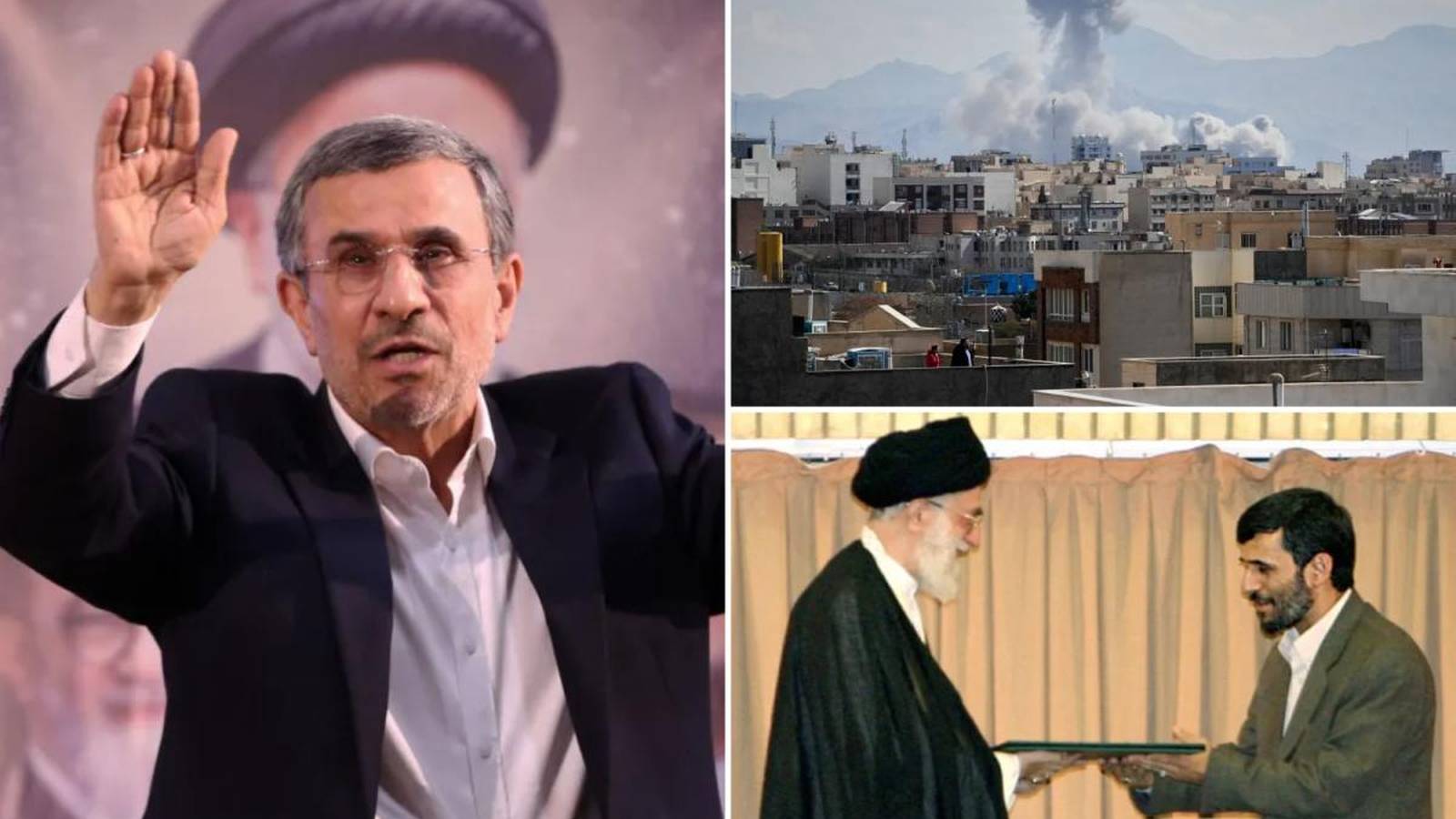
TEHRAN (Azat TV) – Former Iranian President Mahmoud Ahmadinejad was reportedly killed Saturday in targeted Israeli and U.S. strikes in Tehran, according to multiple Iranian media outlets. The reports indicate that Ahmadinejad, a controversial figure who led Iran for eight years, died alongside his bodyguards in the Narmak neighborhood, a middle-class district in east Tehran where he resided.
While Iranian news agencies, including ILNA (the Iranian Labour News Agency), widely circulated the news on Sunday afternoon, Iranian officials in Tehran had not yet provided official confirmation of the former president’s death. This reported incident comes amid a wave of strikes in the Iranian capital, which also reportedly claimed the life of Supreme Leader Ali Khamenei on Saturday, though this too remains unconfirmed by official Tehran sources.
Mahmoud Ahmadinejad’s Reported Death in Tehran
The alleged missile attack that killed Mahmoud Ahmadinejad occurred on Saturday, March 1, 2026, targeting a residential area in Tehran. Iranian media specified that the strikes were carried out by what they referred to as the ‘Zionist regime and the United States.’ The reports underscore the dramatic nature of the event, given Ahmadinejad’s prominent, albeit diminished, status in Iranian politics.
Ahmadinejad, who served as president from 2005 to 2013, gained global notoriety for his confrontational rhetoric and policies. During his presidency, he became the public face of Iran’s nuclear program and Tehran’s defiance of Western powers. His administration was marked by intense international scrutiny and sanctions as Iran continued its nuclear ambitions.
A Legacy of Defiance and Controversy
Throughout his two terms, Mahmoud Ahmadinejad was particularly known for his vitriolic statements against Israel and his brazen denial of the Holocaust. He frequently called for Israel’s destruction, notably stating at a 2005 conference titled “A World Without Zionism” that Israel, which he termed “the occupying regime of Jerusalem” and a “disgraceful cancerous growth,” “must be wiped off the map,” echoing comments by Iran’s founding leader, Ayatollah Khomeini. These remarks drew widespread international condemnation, despite some of his defenders later disputing the exact translations.
Beyond foreign policy, Ahmadinejad also generated controversy with domestic statements, such as his assertion during a visit to the UN General Assembly in New York that there were no homosexuals in Iran. His re-election in 2009 was marred by accusations of vote rigging, leading to the widespread ‘Green Movement’ protests across the country, which were met with a violent crackdown by regime forces, resulting in dozens of deaths and hundreds of imprisonments.
Political Marginalization and Later Years
After leaving office in 2013, Ahmadinejad’s influence within Iran’s ruling elite waned considerably. He was increasingly viewed as detrimental to Iran’s international standing, yet he retained a degree of popularity among lower-income Iranians due to his housing and development programs. In the years following his presidency, he became an active voice on social media and sent publicized letters to world leaders, often criticizing government corruption, even as his own administration faced similar allegations that led to the imprisonment of two of his deputies.
Despite his marginalization, Ahmadinejad made several attempts to run for president again, but his candidacy was disqualified three times by the Guardian Council in 2017, 2021, and 2024. These disqualifications reportedly stemmed from growing tensions between him and Supreme Leader Ali Khamenei. In a rare public move in 2018, Ahmadinejad even wrote to Khamenei, calling for ‘free’ elections and expressing support for limiting the Supreme Leader’s powers.
The reported death of Mahmoud Ahmadinejad, particularly in the context of alleged targeted strikes and the simultaneous reported death of Supreme Leader Ali Khamenei, represents a potentially seismic shift in Iran’s political landscape. While official confirmation is awaited, the elimination of such a historically significant and controversial figure, regardless of his recent political standing, would undoubtedly resonate deeply both domestically and internationally.