


Strategic Diversification in the Marvel Ecosystem
Marvel Entertainment is currently navigating a period of significant expansion, blending high-concept streaming content with traditional publishing and physical merchandise crossovers. According to reports from The Hollywood Reporter and IndieWire, the studio is increasingly prioritizing character-driven narratives that challenge traditional superhero tropes, as seen in the recent successes of Spider-Noir on Prime Video and Wonder Man on Disney+.
Lamorne Morris, who portrays Robbie Robertson in Spider-Noir, highlighted in a post-finale interview that the series’ success stems from its ability to balance traditional comic book aesthetics with the grounded, noir-inspired storytelling of the 1930s. This approach aligns with the studio’s broader goal of diversifying its narrative palette. Similarly, the inclusion of Sir Ben Kingsley’s Trevor Slattery in Wonder Man demonstrates an effort to bridge the gap between established MCU characters and new, satirical character studies, reinforcing the studio’s reliance on familiar talent to anchor experimental projects.
Publishing and Merchandising Synergy
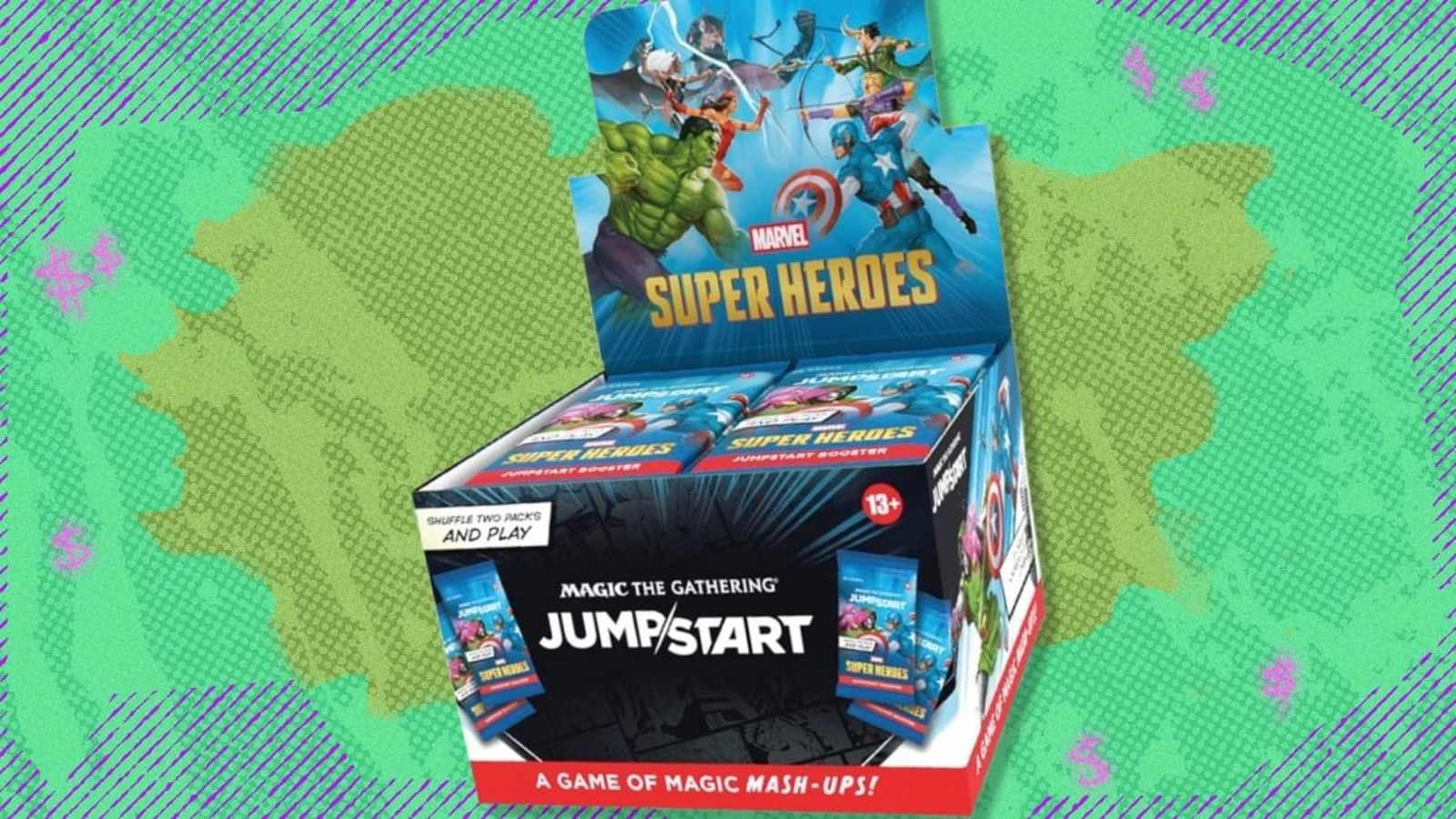
Beyond screen content, Marvel’s publishing arm remains a vital testing ground for new concepts. The June 17, 2026, release of Spider-Man: Long Way Home #1, featuring creative leads Jonathan Hickman and Adam Kubert, signals a push toward grittier, high-stakes storytelling. This complements the brand’s aggressive expansion into the trading card market. As noted by Mashable, the recent discounted pre-order availability of the Magic: The Gathering Marvel Super Heroes Jumpstart Booster Box on Amazon underscores the commercial weight of licensing agreements that integrate Marvel IP into established gaming ecosystems.
Analysis: The Sustainability of Brand Saturation
The current strategy reflects an institutional shift toward audience segmentation. By simultaneously producing content for the prestige streaming market (Spider-Noir), the core fan-driven comic market (Long Way Home), and the hobbyist gaming market (Magic: The Gathering), Marvel is effectively mitigating the risk of superhero fatigue. The critical success of X-Men ’97, which paved the way for a second season, serves as a template for how the studio utilizes nostalgia to maintain institutional relevance. The primary challenge remains balancing this broad output with a cohesive narrative identity as the studio continues to lean into alternate universes and genre-bending satire.