


Quick Read
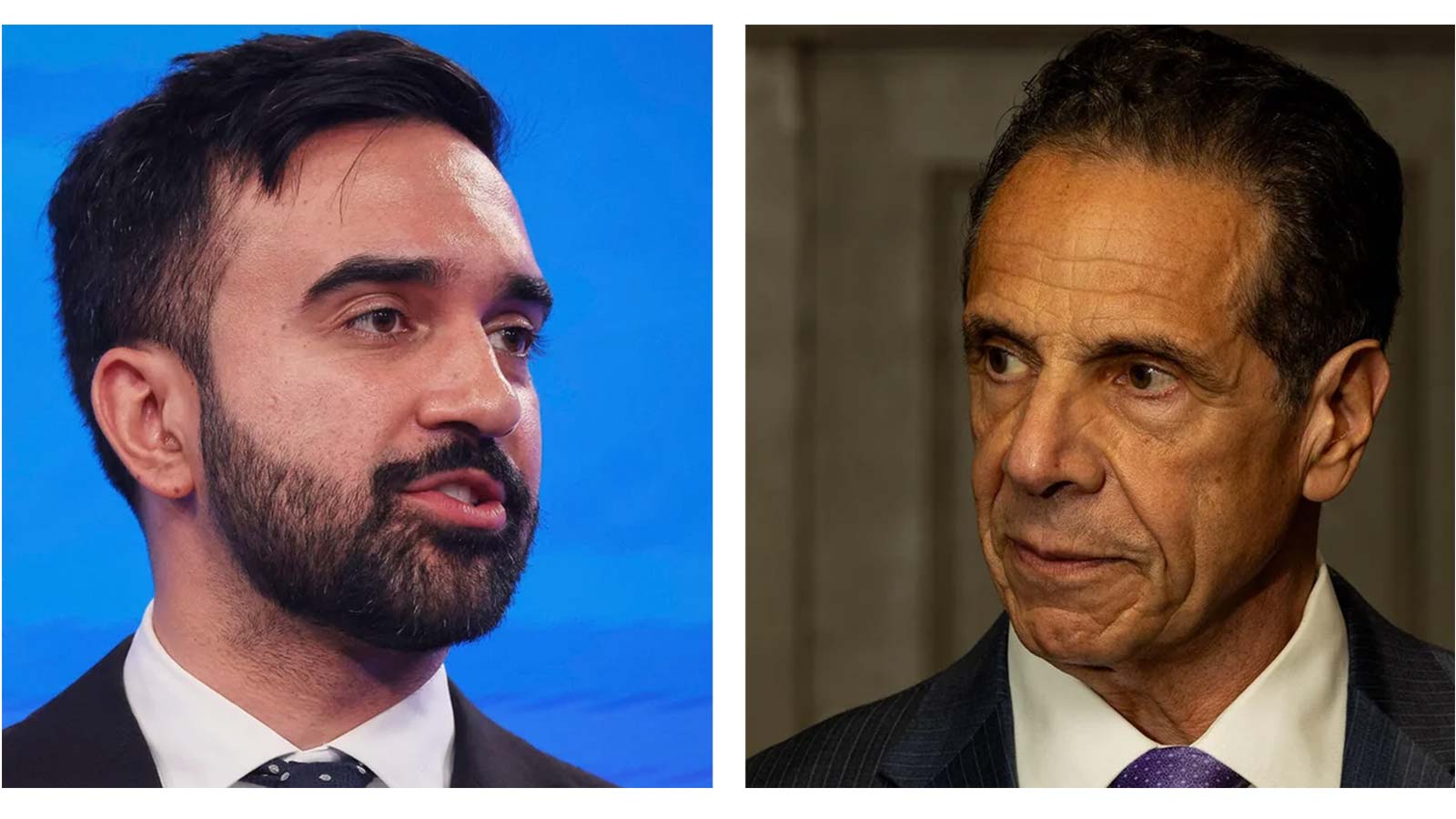
- Andrew Cuomo and Zohran Mamdani lead NYC’s Democratic mayoral primary race.
- Cuomo, a former governor, banks on experience amid past controversies.
- Mamdani, a democratic socialist, gains momentum with progressive policies.
- Ranked-choice voting results might take weeks to finalize.
- Primary results will shape the city’s political direction in November.
New York City’s Democratic mayoral primary is unfolding as a fiercely contested battle between two distinct visions of leadership. On June 27, voters streamed into polling sites across the city under sweltering heat, choosing between former Governor Andrew Cuomo, seeking a political comeback, and State Assemblyman Zohran Mamdani, a 33-year-old democratic socialist. Both campaigns represent opposing poles of the Democratic Party, with Cuomo embodying a seasoned, moderate approach and Mamdani advocating for bold, progressive change.
Cuomo’s Comeback and Legacy
Cuomo’s campaign marks a dramatic attempt to revive his career nearly four years after resigning as governor amidst sexual harassment allegations. At 67, Cuomo has leaned heavily on his deep political experience and a reputation as a decisive leader. His endorsements from high-profile figures, including $1 Bill Clinton, and strong ties to labor unions have kept him competitive despite his controversial past.
Cuomo’s campaign has focused on restoring public safety and tackling the city’s intersecting crises, including housing and economic instability. However, his critics, including Mamdani, have repeatedly highlighted his mishandling of the COVID-19 pandemic and his resignation amid scandal. As AP reports, Cuomo’s strategy has largely avoided direct voter engagement, relying instead on his well-funded campaign and longstanding political connections.
Mamdani’s Progressive Surge
Mamdani, representing Queens in the State Assembly, has emerged as the progressive challenger galvanizing younger voters. His campaign, built on a platform of rent freezes, free public transportation, and higher taxes on the wealthy, has gained significant momentum. With endorsements from progressive leaders such as Rep. Alexandria Ocasio-Cortez and Sen. Bernie Sanders, Mamdani has presented himself as a candidate for a new generation of New Yorkers.
The campaign’s grassroots approach has been striking. As noted by Fox-5 NY, Mamdani’s team has utilized social media and an army of canvassers to reach voters across the city. His focus on affordability and social justice resonates particularly with younger voters, who have turned out in record numbers during early voting, according to the city’s Board of Elections. Mamdani’s rise has turned a once-dismissed candidacy into a serious threat to Cuomo’s dominance.
Ranked-Choice Voting Adds Uncertainty
New York City’s ranked-choice voting system has introduced an element of unpredictability to the primary. Under this system, voters can rank up to five candidates in order of preference, and votes are redistributed until one candidate surpasses 50% of the total. Preliminary results of first-choice votes were expected shortly after polls closed at 9 p.m. on June 27, but final results may not emerge until July 1, with official certification potentially delayed until July 14, according to Nymag.
This extended timeline underscores the high stakes of the race. While Cuomo leads among older voters, Mamdani has gained a significant edge among younger demographics. Analysts suggest that the ranked-choice system could favor Mamdani, as his progressive policies have drawn second-choice votes from other liberal candidates in the crowded field.
Broader Implications for the Democratic Party
The race also serves as a microcosm of the Democratic Party’s ideological divide. Cuomo’s campaign has positioned him as a bulwark against what he described as the “far-left socialist mentality,” emphasizing pragmatic governance. In contrast, Mamdani’s campaign has framed the election as a choice between maintaining the status quo or embracing transformative change.
As AP highlights, the primary outcome could set the tone for November’s general election, where the winner will face incumbent Mayor Eric Adams, now running as an independent following corruption charges, and Republican Curtis Sliwa. The stakes extend beyond city politics, with national observers viewing the race as a bellwether for the Democratic Party’s future direction.
With voting concluded and results pending, New Yorkers await an outcome that could reshape the city’s leadership and signal broader shifts in the Democratic Party’s priorities.