


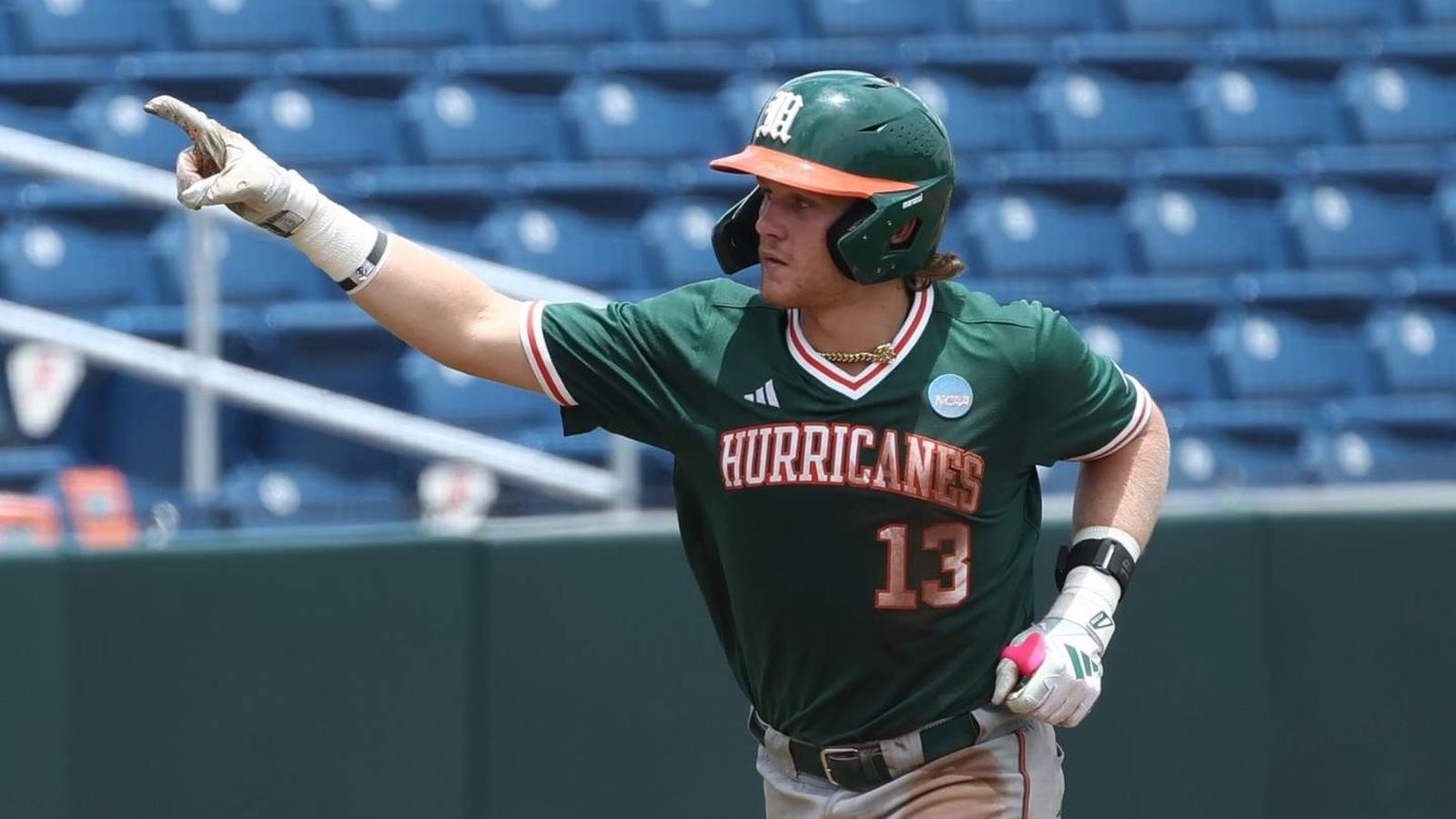
A Season of Stagnation
The University of Miami Hurricanes’ baseball season has officially concluded following a dramatic and frustrating collapse against the Troy Trojans in the Gainesville Regional. For a program historically regarded as a blue-blood of college baseball, the exit marks another chapter in a period of extended dormancy. Despite flashes of potential—specifically the fourth-inning surge that briefly gave Miami a 4-2 lead—the team was unable to sustain momentum, ultimately succumbing to a series of errors and pitching failures that have become all too familiar to the Hurricanes faithful.
The Anatomy of the Collapse
The elimination game began with early tactical errors, including a pick-off of Jake Ogden that stifled early momentum. While home runs from Alex Sosa and Max Galvin provided a temporary spark, the pitching staff failed to close the door. The performance of the bullpen, specifically the struggles of Menedez, who finished the season with an 18.56 ERA, highlights the systemic issues currently plaguing the roster. The inability to protect a multi-run lead in an elimination scenario underscores a lack of depth and consistency that has hindered the program’s ability to return to the elite tier of the NCAA.
Institutional Stakes
The pressure on the Miami athletic department is mounting. Following last year’s near-miss of the Super Regionals, expectations for the current campaign were high. The failure to progress beyond the Gainesville Regional serves as a catalyst for a necessary, albeit painful, period of soul-searching. Discussions regarding roster construction, the effective utilization of Name, Image, and Likeness (NIL) opportunities, and the long-term viability of the current coaching structure are now inevitable. As the program looks toward the offseason, the focus must shift from individual talent to cohesive team development and high-pressure performance management.
The broader context of Miami athletics remains complex; while the baseball program faces a crossroads, the university continues to invest heavily in future talent across other high-profile sports. For instance, the commitment of elite quarterback prospect Israel Abrams—who is currently showcasing top-tier mechanics at the Elite 11 finals—demonstrates that the university retains its recruiting appeal. However, for the baseball program, the path forward requires more than just talent acquisition; it demands a fundamental shift in culture, tactical discipline, and accountability to restore the Hurricanes to their former national prominence.