


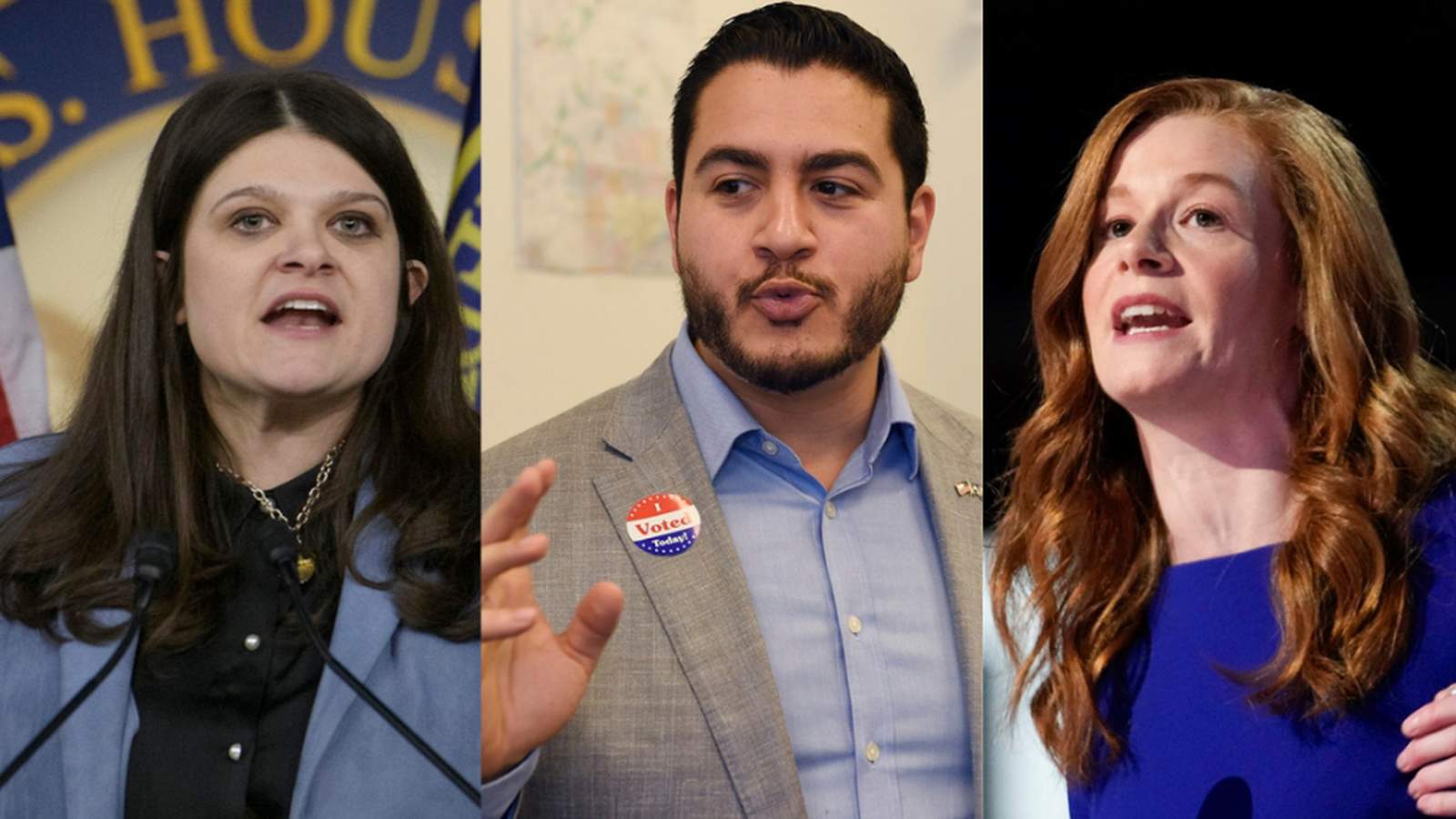
DETROIT — As Democrats seek to regain momentum ahead of critical midterm elections, the race for Michigan’s open U.S. Senate seat has emerged as a major national battleground. The primary contest has intensified internal debates over the ideological direction of the party, exposing deep divisions between its progressive and moderate wings. According to a detailed report by GPB News, the election serves as a high-stakes proxy war for the future of democratic strategy in key swing states.
The race features two distinct millennial candidates competing for the nomination. Abdul El-Sayed, an epidemiologist and former health department director for Detroit and Wayne County, has energized the progressive base with a platform centered on “Medicare for All” and a fierce rejection of corporate and special interest money. Opposing him is Haley Stevens, a four-term congresswoman who successfully flipped a suburban House district. Stevens, who served as chief of staff for the Obama administration’s auto-rescue task force during the Great Recession, advocates for a more moderate, pragmatic approach to governance.
Two Divergent Visions for the Democratic Party
The ideological divide between the candidates is reflected in their policy platforms and campaign financing. El-Sayed, who has secured endorsements from prominent progressives including Senator Bernie Sanders and Representative Alexandria Ocasio-Cortez, argues that systemic issues like healthcare access remain unresolved because mainstream Democrats are compromised by corporate donations. “The problem too often with the Democratic party, we have an instinct to say the right thing, but we’re bought off by the people who are on the side of doing the wrong thing,” El-Sayed stated in an interview with GPB News. Backed by the United Auto Workers (UAW), El-Sayed is pitching a transformative agenda to voters struggling with rising living costs.
Conversely, Stevens positions herself as a proven legislative “workhorse” capable of defeating the Republican agenda through pragmatic action rather than idealistic wishlists. Backed by Michigan’s establishment figures, including Governor Gretchen Whitmer and retiring Senator Gary Peters, Stevens emphasizes her record of winning tough suburban districts and passing bipartisan legislation. Her supporters, such as former Chrysler employee Kelley McKenzie, credit her past work in saving the domestic auto industry as evidence of her ability to deliver tangible results in times of crisis.
The Israel-Gaza Conflict and Campaign Spending
A central flashpoint in the primary is foreign policy, specifically regarding the state of Israel and the ongoing conflict in Gaza. The debate is particularly acute in Michigan, which is home to sizable and politically active Arab-American and Jewish-American communities. El-Sayed has called for an end to U.S. military aid to Israel, a position that has drawn sharp opposition from pro-Israel groups.
The American Israel Public Affairs Committee (AIPAC), through its affiliated super PACs, has spent millions of dollars to boost Stevens and run opposition campaigns against El-Sayed. This heavy outside spending has flooded local airwaves and mailboxes, drawing criticism from progressive organizers who argue that national organizations are putting their thumbs on the scale. During a campaign stop in Detroit, Stevens was directly pressed by local residents over AIPAC’s influence, where she reiterated her support for a two-state solution and continued humanitarian aid, though the exchange highlighted the lingering anger among voters sympathetic to the Palestinian cause.
Electability in a Critical Swing State
The primary outcome is widely seen as a test of what kind of candidate can win in purple Michigan, a state essential to the Democratic path to a Senate majority. Stevens’ supporters argue that her moderate platform is crucial for swaying independent and moderate Republican voters in suburban counties like Oakland and Macomb. “You cannot win in Michigan without being able to sway independents,” noted local Democrat Allen Wolf, who believes Stevens is best positioned to defeat the presumptive Republican nominee, former Congressman Mike Rogers.
However, El-Sayed’s campaign challenges this traditional definition of electability. They argue that an uncompromising progressive platform will mobilize young voters, minoritized communities, and working-class citizens who feel abandoned by establishment politics. With Michigan also set to host an early presidential primary in 2028, national observers are watching closely to see which strategy resonates most with a frustrated electorate. Local party leaders warn that regardless of who wins on Tuesday, unity is paramount. As Macomb County Democrat Joel Rutherford cautioned, “If we don’t come together, we’re not going to win.”