
Quick Read
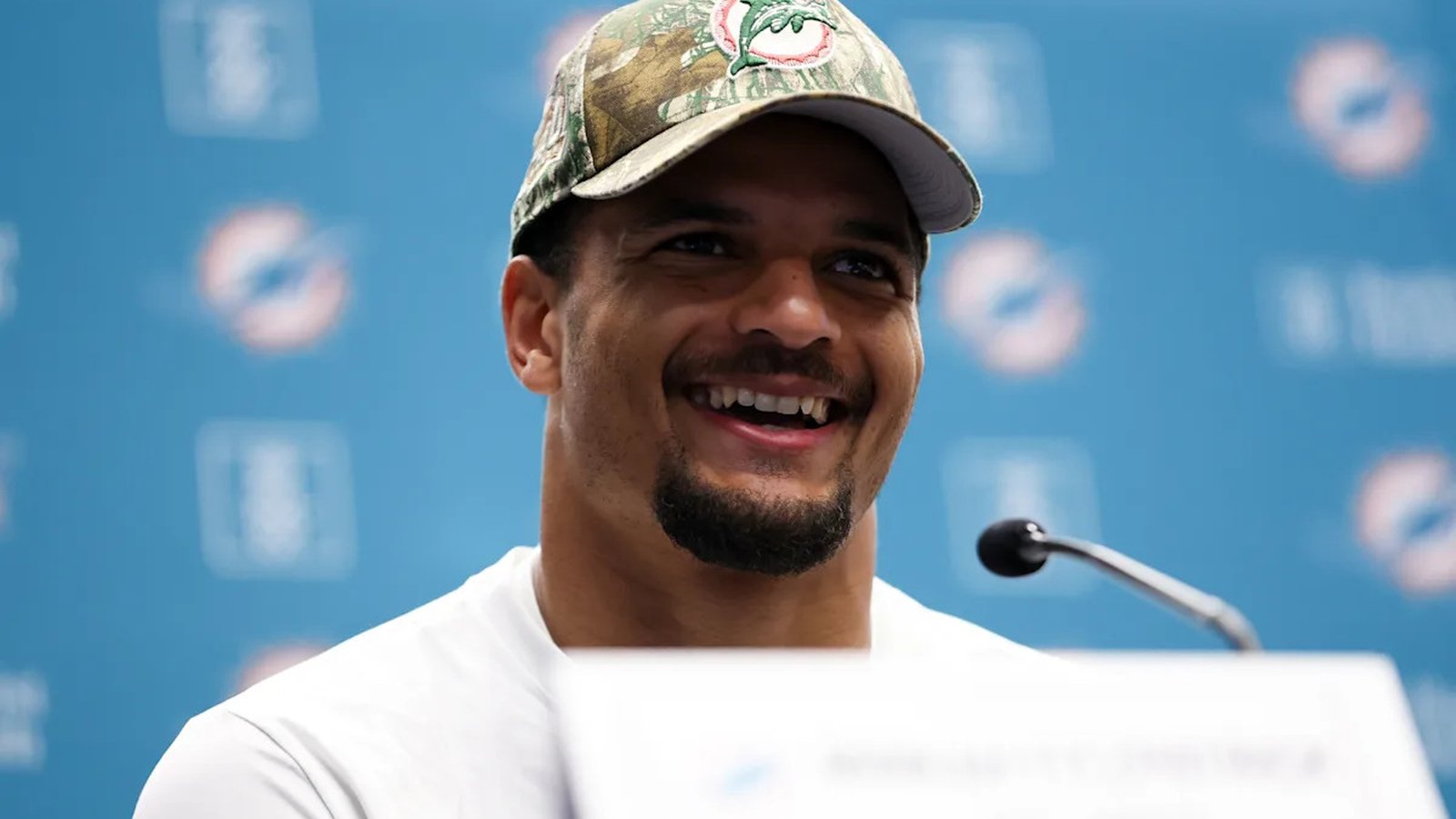
- The New York Jets acquired safety Minkah Fitzpatrick from the Miami Dolphins in exchange for a 2026 seventh-round draft pick.
- Fitzpatrick is set to sign a three-year, $40 million contract extension with the Jets upon the official opening of the new league year.
- The trade highlights the Dolphins’ ongoing roster purge, which has recently included the departures of Tyreek Hill and quarterback Tua Tagovailoa.
The New York Jets have agreed to acquire three-time All-Pro safety Minkah Fitzpatrick from the Miami Dolphins, in a move that addresses a critical defensive void for the Jets while underscoring the Dolphins’ commitment to a total roster overhaul. The trade, which involves a 2026 seventh-round pick, is expected to be finalized when the new league year officially opens on Wednesday.
Bolstering the Jets’ Secondary
For the New York Jets, the arrival of the 29-year-old Fitzpatrick is a direct response to a historically unproductive defensive campaign. Last season, the Jets became the first team in NFL history to complete a full season without recording a single interception. By securing a player of Fitzpatrick’s pedigree—a five-time Pro Bowler—the front office is looking to provide immediate stability to a secondary that has faced significant transition.
Fitzpatrick is set to sign a new three-year, $40 million contract with his new team, a deal that aligns him with the middle tier of the current safety market. His familiarity with the AFC East and his experience working with current Jets defensive coordinator Brian Duker are expected to facilitate his integration into the defensive scheme. Beyond his technical skills, the organization is banking on his veteran leadership to anchor a unit that struggled significantly in points allowed throughout the 2025 season.
Miami’s Strategic Rebuild
Conversely, the trade serves as a definitive marker for the Miami Dolphins’ current trajectory. The move to offload Fitzpatrick comes as part of a broader house-cleaning effort, which has recently included the departures of high-profile veterans such as Tyreek Hill and the impending release of quarterback Tua Tagovailoa. By moving on from these foundational pieces, the Dolphins’ leadership is prioritizing long-term cap flexibility and the accumulation of future draft assets, even at the cost of immediate competitiveness.
Critics have noted that the return for a player of Fitzpatrick’s caliber—a single seventh-round selection—highlights the difficult position the Dolphins found themselves in, burdened by salary cap constraints and a clear directive to pivot toward a younger roster. As Miami enters a new phase under general manager Jon-Eric Sullivan and head coach Jeff Hafley, the focus appears squarely on shedding veteran contracts to navigate their current financial landscape.
The acquisition of Fitzpatrick highlights the Jets’ desperate need for playmaking ability in a pass-heavy league, yet the team’s willingness to commit significant financial resources to an aging safety reveals a high-stakes gamble that his veteran instincts will outweigh the physical decline typically seen in defensive backs approaching their 30s.