
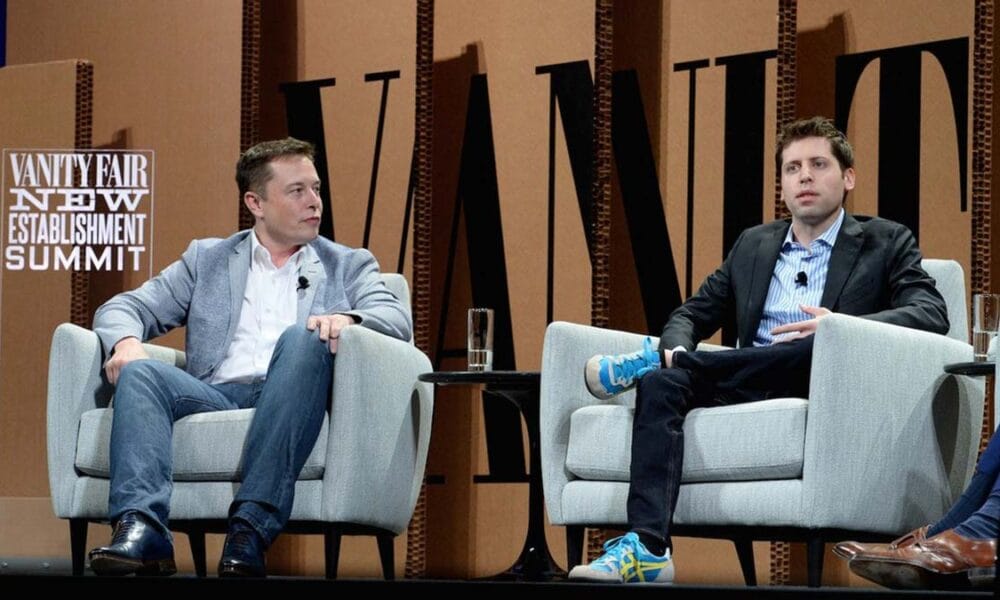
Musk vs. Altman: The Clash of Visions for OpenAI
The artificial intelligence world is witnessing a dramatic power struggle. Elon Musk’s $97.4 billion bid to acquire OpenAI’s non-profit parent company has been publicly rejected by OpenAI CEO Sam Altman, escalating the long-standing feud between the two tech titans. This high-stakes battle highlights fundamental disagreements about the direction of AI development, raising critical questions about profit, safety, and open-source principles.
The Rejected Offer: Unpacking Musk’s $97.4 Billion Bid
Musk’s unsolicited offer, reportedly made with the backing of Vy Capital, his own AI company xAI, and other investors, aimed to wrest control of the non-profit entity overseeing OpenAI. This entity plays a crucial role in OpenAI’s transition to a for-profit model. However, Altman swiftly dismissed the bid on X (formerly Twitter), setting the stage for a protracted conflict.
no thank you but we will buy twitter for $9.74 billion if you want
— Sam Altman (@sama) February 10, 2025
“No Thank You”: Altman’s Swift Rejection and the Twitter Counter-Offer
Altman’s terse “No thank you” on X, followed by a playful counter-offer to buy Twitter for $9.74 billion, underscored the deep divide between the two leaders. Musk’s subsequent “swindler” comment further fueled the animosity, revealing the personal dimension of this business rivalry.
From Co-founders to Competitors: The History of the Musk-Altman Rift
Musk and Altman’s relationship began in 2015 when they co-founded OpenAI as a non-profit. However, Musk departed in 2018 after reported disagreements, later launching xAI to directly compete with OpenAI. This history of conflict provides crucial context for understanding the current takeover attempt.
— Elon Musk (@elonmusk) February 10, 2025
The Lawsuit and the Concerns: Musk’s Arguments Against OpenAI’s Direction
Musk’s concerns about OpenAI’s trajectory have led him to file a lawsuit, accusing the company of betraying its non-profit mission by prioritizing profit over its original goals. He specifically criticizes OpenAI’s partnership with Microsoft, arguing that it has become a “closed-source de facto subsidiary” of the tech giant.
A Complicated Restructuring: The Implications for OpenAI’s Future
Musk’s bid throws a wrench into OpenAI’s ongoing restructuring efforts. The non-profit entity’s continued stake in its for-profit counterpart makes the takeover attempt particularly complex. Furthermore, the timing of the bid coincides with OpenAI’s pursuit of a $40 billion funding round led by SoftBank, which would significantly increase the company’s valuation.
The Broader AI Landscape: Competition, Profit, and the Future of AI
This battle between Musk and Altman reflects broader tensions within the rapidly evolving AI industry. The debate over profit motives, open-source development, and control of this transformative technology is playing out across the sector, with major tech companies vying for dominance.
Open Source vs. Partnerships: Differing Visions for AI Development
Musk’s push for OpenAI to return to its open-source, safety-focused roots contrasts sharply with Altman’s vision of growth through strategic partnerships and a for-profit model. This fundamental disagreement about the best path for AI development lies at the heart of the conflict.
The Stakes are High: The Future of AI is on the Line
The outcome of this struggle will have significant implications for the future of AI. It will shape not only OpenAI’s trajectory but also the broader landscape of the AI industry, influencing the development and deployment of this powerful technology for years to come.