
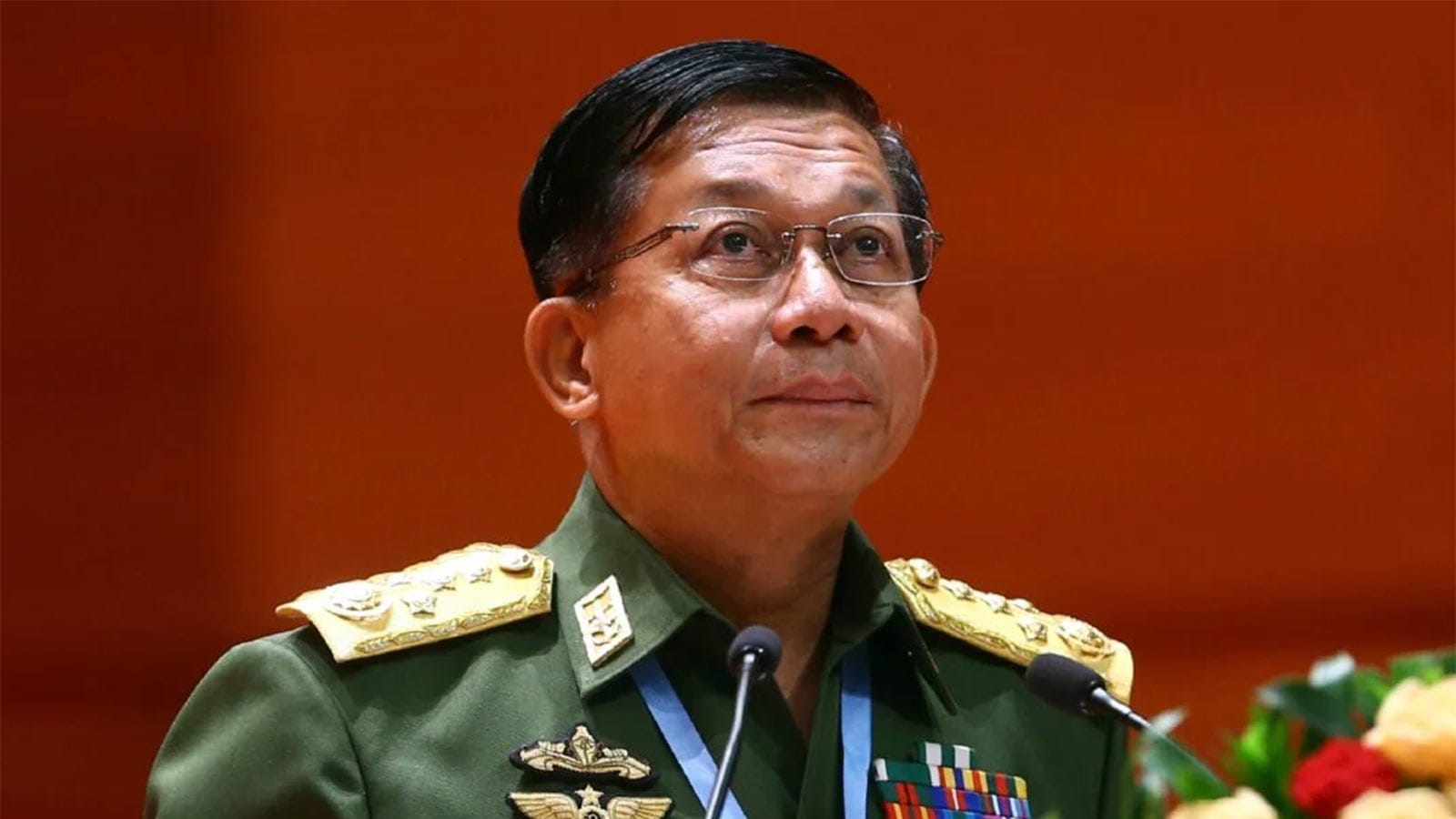
- Myanmar’s military announces a temporary ceasefire until April 22, 2025, to aid earthquake recovery.
- The 7.7 magnitude quake has killed over 3,000 and caused widespread destruction.
- Aid agencies warn of a medical crisis due to lack of clean water and resources.
- The ceasefire follows rebel groups’ unilateral pause in offensive operations.
- International aid efforts are underway, but access remains a challenge.
Myanmar’s Temporary Ceasefire Announced
Myanmar’s ruling military government has declared a temporary ceasefire in its operations against armed opposition groups to facilitate recovery efforts following a devastating 7.7 magnitude earthquake on March 28, 2025. The ceasefire, announced via state-run MRTV, will last until April 22, 2025. The decision aims to provide effective rescue operations and rehabilitation for the victims of the earthquake, which has killed over 3,000 people and left thousands more displaced.
Impact of the Earthquake
The earthquake, which struck near Mandalay, has caused widespread destruction across Myanmar. The United Nations reported that Mandalay city, one of the worst-hit areas, is completely cut off from electricity and running water. Aid agencies, including Médecins Sans Frontières (MSF), have warned of a looming medical crisis due to the lack of clean water. Mikhael De Souza, MSF Field Coordinator, stated that the scarcity of water could lead to epidemics if not addressed promptly.
Humanitarian Crisis Worsens
The earthquake has exacerbated Myanmar’s existing humanitarian crisis, which has been ongoing since the 2021 military coup. The country’s health infrastructure, already weakened by years of civil war, is ill-equipped to handle such a disaster. The UN has reported rising cases of acute diarrhea and heat-related illnesses in displacement sites. Water trucking operations have begun in Naypyitaw, serving approximately 45,000 people, but over 300,000 remain in need of such support.
Rebel Groups’ Response
Prior to the military’s announcement, rebel groups fighting the junta had unilaterally declared a ceasefire to support relief efforts. The National Unity Government (NUG), an offshoot of lawmakers deposed in the 2021 coup, announced a two-week pause in offensive military operations, except for defensive actions, starting March 30, 2025. However, Amnesty International reported that the military continued air strikes in the days following the quake, complicating relief efforts.
International Aid Efforts
International aid agencies and foreign governments have dispatched personnel and supplies to quake-hit regions. The UK’s Disasters Emergency Committee (DEC) has launched an appeal to provide shelter, medicine, food, water, and cash support to those affected. The UK government has pledged to match public donations up to £5 million. However, aid workers have faced challenges, including an incident where Myanmar’s military opened fire at a Chinese Red Cross convoy carrying relief supplies.
Regional Impact and Response
The earthquake was also felt in neighboring countries, including Thailand, where at least 22 people died, including 15 in a high-rise building collapse in Bangkok. Rescuers in Bangkok detected signs of life at the collapse site, offering hope to families awaiting news of their loved ones. Meanwhile, Myanmar’s junta chief Min Aung Hlaing is set to attend a regional summit in Thailand to discuss the earthquake response.
Challenges in Aid Distribution
Despite the ceasefire, aid distribution remains fraught with challenges. The military junta has been accused of blocking access to certain areas, and the lack of coordination between the junta and rebel groups has hindered humanitarian efforts. The UN and other organizations have called for unimpeded access to affected regions to ensure that aid reaches those in need.
The temporary ceasefire in Myanmar offers a glimmer of hope for earthquake recovery efforts, but the humanitarian crisis remains dire. With thousands dead and many more in need of urgent assistance, international aid and cooperation are crucial. However, the ongoing conflict and logistical challenges continue to complicate relief efforts, underscoring the need for a coordinated and sustained response.