


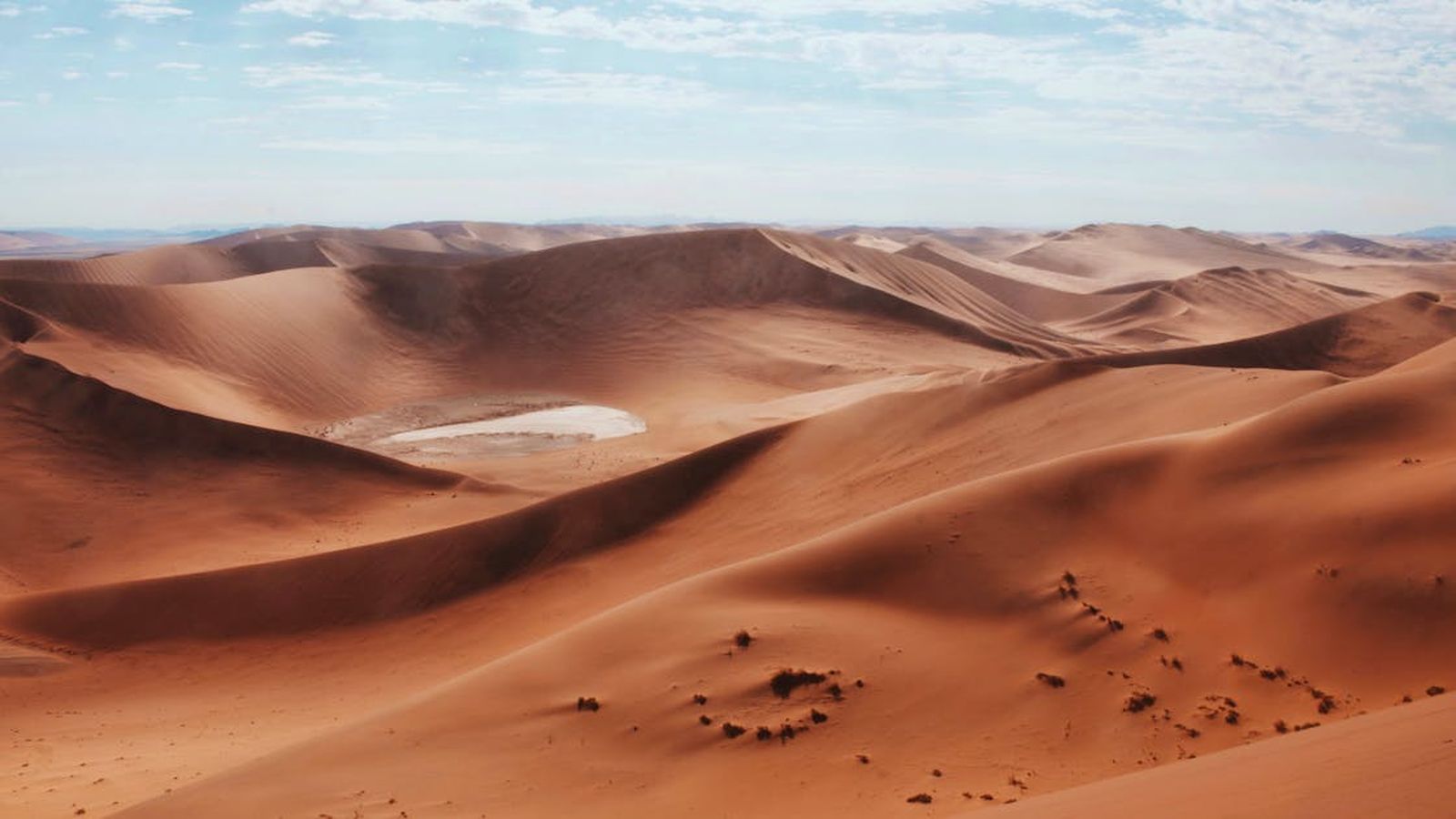
Namibia is increasingly marketed as a premier destination for European travelers, offering vast landscapes and wildlife. According to data from the Namibian Ministry of Tourism, the country welcomed 1.4 million foreign visitors in 2024. However, behind the facade of the “African Dream” lies a complex history of colonial violence that remains a central issue in the nation’s contemporary life.
German colonial rule (1884–1915) resulted in the genocide of the Herero and Nama peoples, with estimates suggesting 75,000 to 100,000 deaths. Despite a 2021 agreement between Germany and Namibia involving 1.1 billion euros in development aid, the pact remains unsigned amid criticism from local activists who demand formal reparations and land reform. Current statistics indicate that 70 percent of agricultural land remains in the hands of descendants of white settlers, contributing to some of the world’s highest levels of income inequality.
For tourists, the contrast is visible in coastal towns like Swakopmund, where German architectural influence persists alongside sites of memory for genocide victims. As noted by observers, the experience of modern Namibia requires reconciling the country’s natural beauty with the unresolved trauma of its colonial past.