
Quick Read
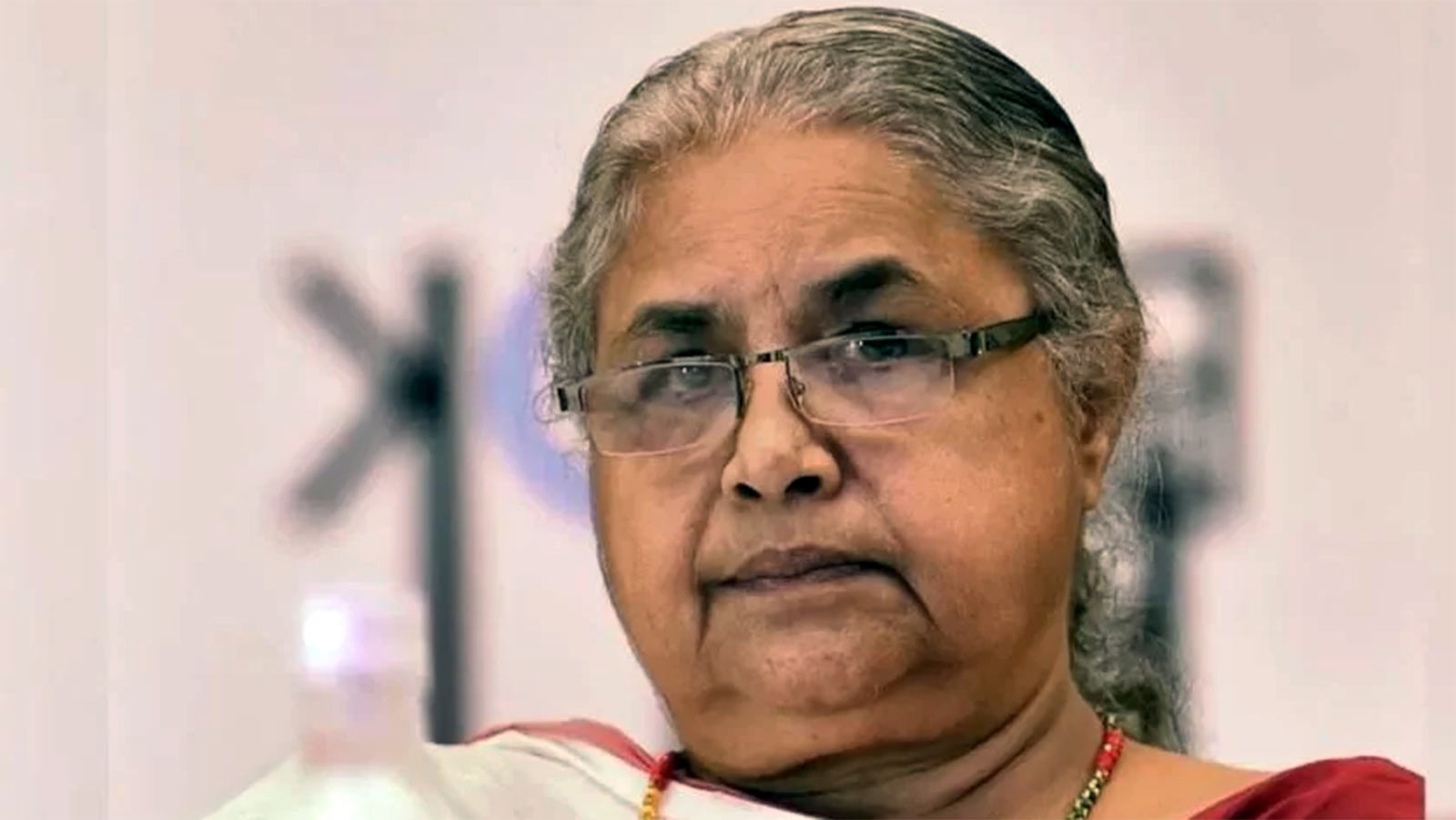
- Sushila Karki becomes Nepal’s first woman Prime Minister.
- Her appointment follows violent anti-corruption protests.
- Parliament has been dissolved; elections are set for March 5, 2026.
- The protests were largely driven by Nepal’s youth and economic discontent.
- India expressed support for Nepal’s stability and progress.
A Historic First: Sushila Karki’s Appointment
In a moment steeped in both turmoil and hope, Nepal made history by appointing Sushila Karki as its first woman Prime Minister. The 73-year-old former Chief Justice was sworn in on September 12, 2025, following a week of violent anti-corruption protests that shook the nation to its core. Her appointment came as part of an interim arrangement after the resignation of former Prime Minister K.P. Sharma Oli amidst mounting public discontent.
Karki’s rise to the top marks a significant milestone for the Himalayan nation, which has been grappling with political instability since the abolition of its monarchy in 2008. Her reputation as a staunch anti-corruption advocate during her tenure as Chief Justice offers a glimmer of hope for a population weary of systemic graft and nepotism.
Unrest and a Nation on Edge
The events leading up to Karki’s appointment were nothing short of dramatic. The protests, dubbed the “Gen Z Movement,” began as a reaction to a controversial social media ban but quickly spiraled into a broader outcry against corruption, unemployment, and the entrenched privilege of political elites. Tens of thousands of protesters, many of them young people, took to the streets, clashing with police and setting government buildings ablaze.
At least 51 people lost their lives during the unrest, including protesters and security personnel. The violence culminated in the storming of Nepal’s parliament, forcing the government to impose a curfew and deploy the military to restore order. By the time the dust settled, Prime Minister Oli had resigned, and the president had dissolved parliament, paving the way for fresh elections scheduled for March 5, 2026.
The Road Ahead: Challenges and Expectations
Karki’s interim government faces a daunting task. With unemployment among 15- to 24-year-olds at a staggering 20%, according to the World Bank, and GDP per capita standing at just $1,447, the economic challenges are immense. Moreover, the protesters’ demand for systemic reform to root out corruption adds another layer of complexity to an already precarious situation.
Despite these challenges, Karki’s appointment has been met with cautious optimism. “Nepal has got its first woman Prime Minister,” said Suraj Bhattarai, a social worker in Kathmandu. “We hope she will address the fight against corruption and bring good governance.” Others, like 23-year-old shop worker Durga Magar, expressed a mix of hope and skepticism. “The main issue for the people, especially young people, is corruption. It doesn’t matter who tackles it, but it needs to stop,” she said.
Regional and International Implications
Nepal’s political crisis has also drawn attention from its neighbors. Indian Prime Minister Narendra Modi extended his congratulations to Karki, emphasizing India’s commitment to Nepal’s peace and prosperity. The developments come at a time when Nepal’s strategic position between China and India makes its stability a matter of regional importance.
For now, the streets of Kathmandu have returned to a semblance of normalcy. Markets have reopened, and traffic is flowing again. However, the scars of the past week’s violence remain, and the road to meaningful reform will likely be long and arduous.
Sushila Karki’s appointment as Nepal’s first woman Prime Minister is a watershed moment, but it also underscores the deep challenges the nation faces. Her interim leadership offers a chance to reset, but whether it leads to lasting change remains to be seen.