
Quick Read
- Dozens of UN delegates walked out as Netanyahu began his speech.
- Netanyahu vowed to ‘finish the job’ against Hamas in Gaza.
- He categorically rejected international calls for Palestinian statehood.
- His speech was broadcast via loudspeakers on the Gaza border.
- Intense criticism came from both international leaders and Israeli opposition.
Netanyahu’s Defiant UN Speech: ‘Finish the Job’ in Gaza
When Israeli Prime Minister Benjamin Netanyahu strode to the podium at the United Nations General Assembly on a brisk September morning, the atmosphere was already charged. Moments before he began, scores of delegates stood up and streamed out, their silent walkout a powerful rebuke to Israel’s ongoing military campaign in Gaza. The chamber, usually packed with diplomats and world leaders, was visibly thinned—a rare, but telling, spectacle on the world stage.
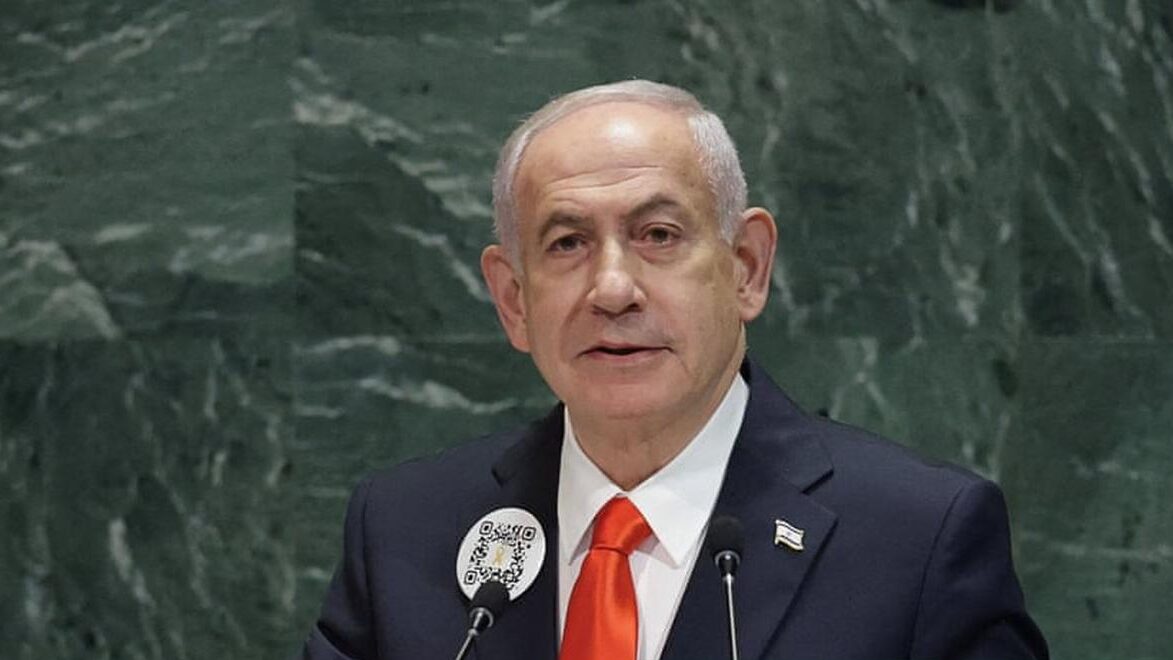
Netanyahu’s speech was anything but conciliatory. He vowed to “finish the job” of eliminating Hamas, painting Israel’s actions as a necessary response to the October 7 attacks that he described as the worst assault on Jews since the Holocaust. “Much of the world no longer remembers October 7, but we remember,” he declared, tapping a QR code button pinned to his jacket, which linked to a website detailing the atrocities. The message was unmistakable: Israel, he insisted, would not bow to mounting international criticism.
Global Reactions: Walkouts, Condemnations, and Calls for Restraint
The walkouts were a dramatic punctuation to an already tense session. Delegates from several countries left en masse, reflecting a growing discomfort with Israel’s conduct in Gaza and Netanyahu’s uncompromising rhetoric. Ireland’s Taoiseach Micheál Martin, for instance, urged Israel’s military suppliers to “reflect carefully” on their support for the war. Martin referenced a recent UN commission report that accused Israel of genocide in Gaza—a finding Israel vehemently denies.
Netanyahu’s speech was also met with sharp criticism from political opponents at home. Yair Lapid, leader of Israel’s opposition, lambasted the prime minister’s address as “tired and whining,” accusing him of worsening Israel’s diplomatic isolation. “Instead of stopping the diplomatic tsunami, Netanyahu today worsened Israel’s situation,” Lapid said, echoing the sentiment of many who are calling for an end to the war and the return of hostages.
Props and Public Diplomacy: Loudspeakers on the Gaza Border
In a move that blurred the lines between political theater and psychological warfare, Netanyahu’s office arranged for his speech to be broadcast via loudspeakers along the Gaza border. The stated aim was to reach both Palestinian civilians and the remaining Israeli hostages held by Hamas. Netanyahu claimed, without independent verification, that Israeli intelligence had enabled his words to be streamed directly to Gazans’ cell phones—a claim disputed by local residents and international media.
Families of the hostages criticized the gesture as empty and potentially harmful. “Any sentence other than ‘I came to the U.S. to sign a deal that brings you all home’ amounts to psychological abuse for them,” wrote Anat Angrest, mother of one hostage, on social media. The attempt to bypass conventional diplomacy underscored the desperate and complex dynamics at play.
Rejecting Palestinian Statehood: Netanyahu’s Stance and Global Fallout
Perhaps the most controversial element of Netanyahu’s address was his categorical rejection of a Palestinian state. He branded recent recognitions by France, Britain, Canada, and Australia as “shameful, sheer madness and insane.” “Israel will not allow you to shove a terror state down our throats,” he warned, insisting that his stance represented not just his government’s policy, but the will of the Israeli people.
Netanyahu accused world leaders of caving to “biased media, radical Islamist constituencies, and antisemitic mobs.” He argued that global support for Israel evaporated as soon as it retaliated against Hamas, framing the criticism as a moral collapse on the part of the international community.
Diplomatic Developments: Peace Plans and Political Maneuvers
Amid the heated rhetoric, behind-the-scenes negotiations continue. U.S. President Donald Trump struck an optimistic tone, telling reporters that negotiators are “very close” to striking a deal to end the war in Gaza and secure the release of hostages. The proposed American peace plan reportedly includes a permanent ceasefire, the release of all hostages, and a framework for governing Gaza without Hamas—potentially involving international supervision.
Former British Prime Minister Tony Blair has also been floated as a candidate to oversee a transitional authority in Gaza, should a ceasefire be reached. Arab leaders have endorsed large parts of the U.S. plan but have requested amendments, reflecting the complexity and fragility of any potential agreement.
Humanitarian Crisis: The Plight of Gaza’s Civilians
Netanyahu’s speech unfolded against a backdrop of deepening humanitarian catastrophe. The United Nations’ children’s agency reports that over 50,000 children in Gaza have been killed or injured since the conflict began. Famine, malnutrition, and lack of medical care have become routine. The story of Majd Alshaghnobi, a 15-year-old Gaza resident wounded by shrapnel while waiting for flour, has become emblematic of the war’s toll on civilians.
Physicians for Human Rights Israel has documented widespread abuse of Palestinian health workers, including the detention of Dr. Hussam Abu Safiya, who was arrested during a raid on Kamal Adwan Hospital and has reportedly suffered severe starvation and lack of medical care in Israeli custody. Over 100 medical staff have been incarcerated without formal charges, according to the organization—a pattern described as “systematic targeting and abuse.”
Regional Dynamics: Iran, Lebanon, and the Future of the Middle East
Netanyahu’s address also touched on broader regional issues. He touted Israel’s operations against Iranian proxies—the Houthis, Hezbollah, and others—claiming that Israel had “devastated Iran’s atomic weapons and ballistic missiles programs.” He called for direct negotiations with Lebanon and praised efforts to disarm Hezbollah, suggesting that sustainable peace could be achieved if genuine action is taken.
In a rhetorical flourish, Netanyahu adapted Donald Trump’s famous slogan, predicting that “the long-suffering Iranian people will regain their freedom. They will make Iran great again.” He expressed hope for a future in which Israel and Iran restore ancient ties, though such prospects remain distant amid current hostilities.
The UN at a Crossroads: Calls for Conscience and Rationality
Chinese Premier Li Qiang, in his own speech at the UN, offered a contrasting vision, warning that “humanity has come to a crossroads.” He called for greater conscience, rationality, and peaceful coexistence, referencing the symbolic sculptures outside the UN headquarters—“beat swords into plowshares and non-violence with their time-tested message ever so loud.”
As world leaders continue to debate, the fate of Gaza and the future of the region hang in the balance.
Netanyahu’s UN speech crystallized the deep divides—both within Israel and across the globe—about the path forward in Gaza. His defiance resonated with some but alienated others, sparking walkouts and intensifying scrutiny of Israel’s war conduct. With humanitarian suffering mounting and diplomatic solutions elusive, the international community faces a stark choice: persist in cycles of confrontation, or summon the political courage needed to broker peace and protect civilians. The outcome will shape not only the region’s future, but the moral credibility of global leadership itself.