


MALDON (Azat TV) – A groundbreaking marine engineering project has culminated in the creation of a new island in the Blackwater Estuary, near Maldon, Essex, providing a crucial sanctuary for threatened seabirds and bolstering coastal defenses against rising sea levels. The National Trust spearheaded the innovative initiative, sinking three decommissioned Thames lighters to form a stable landmass that now serves as a vital habitat for declining bird populations and a protective barrier for the ecologically significant saltmarsh at Northey Island. This endeavor, believed to be the first of its kind in the UK, represents a significant step in the region’s three-decade effort towards coastal adaptation.
Innovative Marine Engineering Transforms Estuary
The ambitious project involved repurposing three flat-bottomed barges, known as Thames lighters, which date back to the 1950s and had been moored in Essex for over 30 years. Measuring between 20 and 32 meters long, these industrial vessels were carefully prepared by specialist contractors, including making them clean and seaworthy, before being towed into position on the inter-tidal mudflats of the Blackwater Estuary. Holes were cut into their hulls to facilitate sinking, and they were then filled and surrounded with approximately 8,000 cubic meters of sediment—a volume comparable to more than three Olympic swimming pools. This sediment, primarily mud, was transported from Maldon Harbour over roughly 170 dredge barge trips, according to reports from Nationalworld and Filmogaz.
Katy Gilchrist, Coastal Project Manager for the National Trust, described the initiative as “the ultimate act of marine recycling,” emphasizing the transformation of “retired industrial vessels into a sanctuary for wildlife.” She added, “We’re basically turning history into habitat, and as far as we know, no one has attempted anything quite like this before.” Once the final gravel surface is added and the island is fully established, it will sit safely above the highest tides, offering a secure refuge for avian species.
Lifeline for Threatened Bird Species
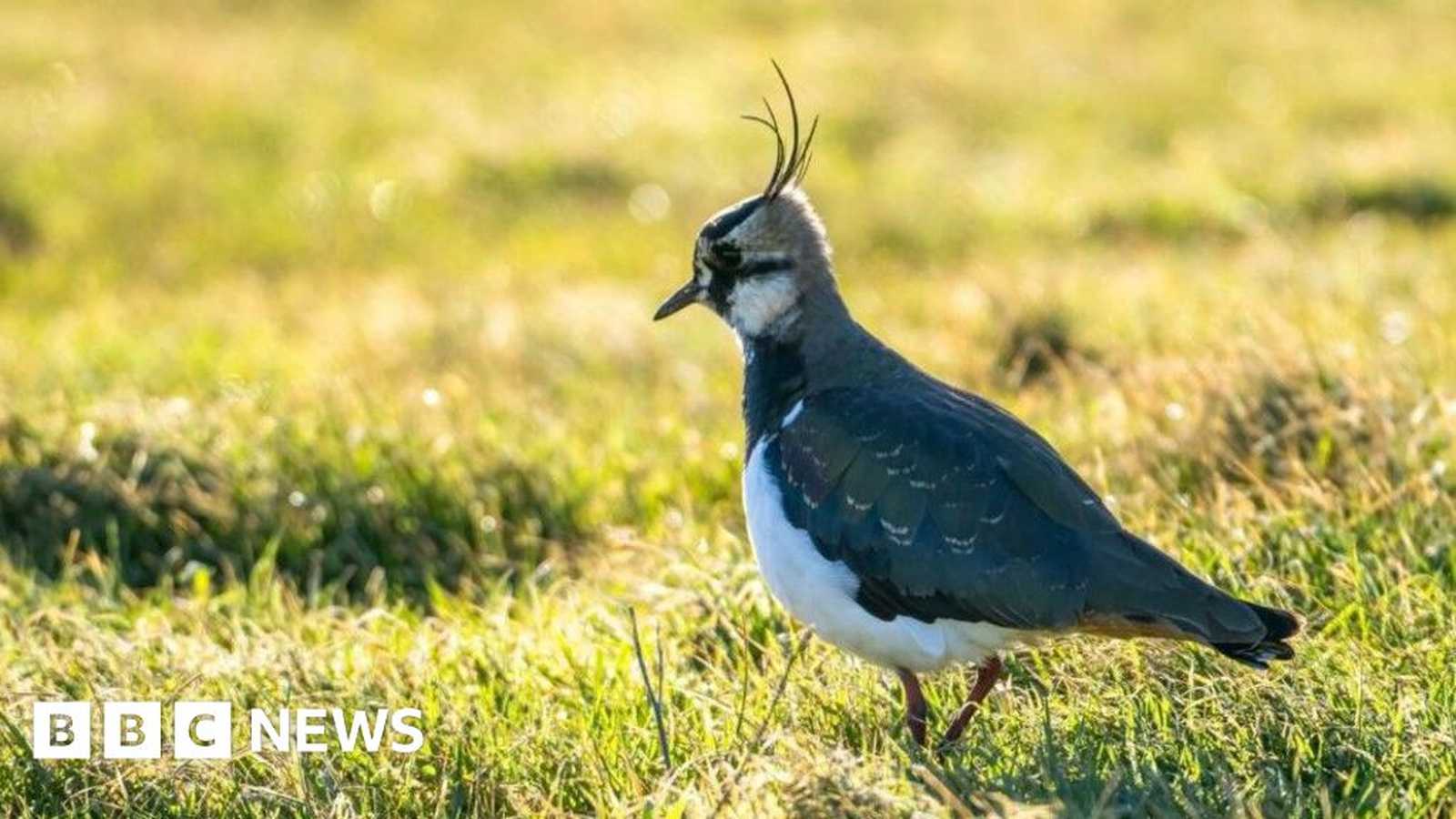
The newly formed island, covering 0.55 hectares (approximately 1.4 acres)—roughly the size of a football pitch—is specifically designed to offer a safe roosting and nesting site for a variety of threatened bird species. Among those expected to benefit are red-listed birds such as dunlin, curlew, lapwing, and ringed plover, as well as vulnerable seabirds like little terns and avocets. Other species, including oystercatchers, Brent geese, and redshank, are also anticipated to utilize the new sanctuary, which is located just off the eastern shore of Northey Island.
Matt Wilson, Countryside Manager for the National Trust, highlighted the island’s critical role in providing a refuge for birds “above the highest tides and away from disturbance on shore.” He noted that it acts as “a lifeline for birds that are running out of safe spaces to nest and rest.” The National Trust continues to top the island with sediment, anticipating that birds will soon begin to use their new habitat.
Protecting Vital Saltmarsh and Carbon Stores
Beyond its primary function as a bird sanctuary, the innovative island project addresses another pressing environmental concern: the erosion of the existing saltmarsh at Northey Island. Saltmarsh habitats are vital natural flood defenses and significant carbon stores within the marine landscape. As tidal forces enter the estuary, the energy of the water erodes the saltmarsh, severely impacting the wildlife dependent on it and reducing its capacity to store carbon.
By strategically positioning the new island, the National Trust expects it to shelter the marsh from wave energy, thereby slowing erosion and protecting this precious habitat. “Saltmarsh is one of the biggest natural carbon stores in our marine landscape,” Wilson stated, underscoring the dual benefit of the project in both habitat creation and ecosystem preservation. This protection is critical to maintaining the delicate balance of the Blackwater Estuary, recognized as one of the UK’s most ecologically important wetland systems.
A Model for Coastal Adaptation
The creation of this new island is the latest chapter in three decades of coastal adaptation efforts in the Blackwater Estuary, where the National Trust has been trialing methods to protect Northey Island against the impacts of rising sea levels. The project demonstrates a commitment to innovative solutions that blend environmental conservation with marine history, transforming industrial relics into ecological assets. The National Trust collaborated with several key partners on this endeavor, including the Environment Agency, Natural England, Maldon Harbour Improvement Commissioners, specialist engineering and environmental consultants Royal Haskoning DHV, and specialist marine contractors Landbreach Ltd, as reported by BBC News.
The strategic repurposing of decommissioned industrial vessels into a thriving ecological habitat represents a significant achievement in proactive environmental management, offering a scalable model for coastal communities grappling with habitat loss and erosion in a changing climate.