
Quick Read
- Scientists develop new remote sensing tools for microplastic detection.
- AI and satellite technologies enhance monitoring of ocean pollution.
- Breakthrough could significantly improve marine cleanup efforts.
- Microplastics pose threats to marine life and global ecosystems.
- European and global initiatives drive solutions to ocean pollution.
New Technologies Revolutionize Microplastic Detection
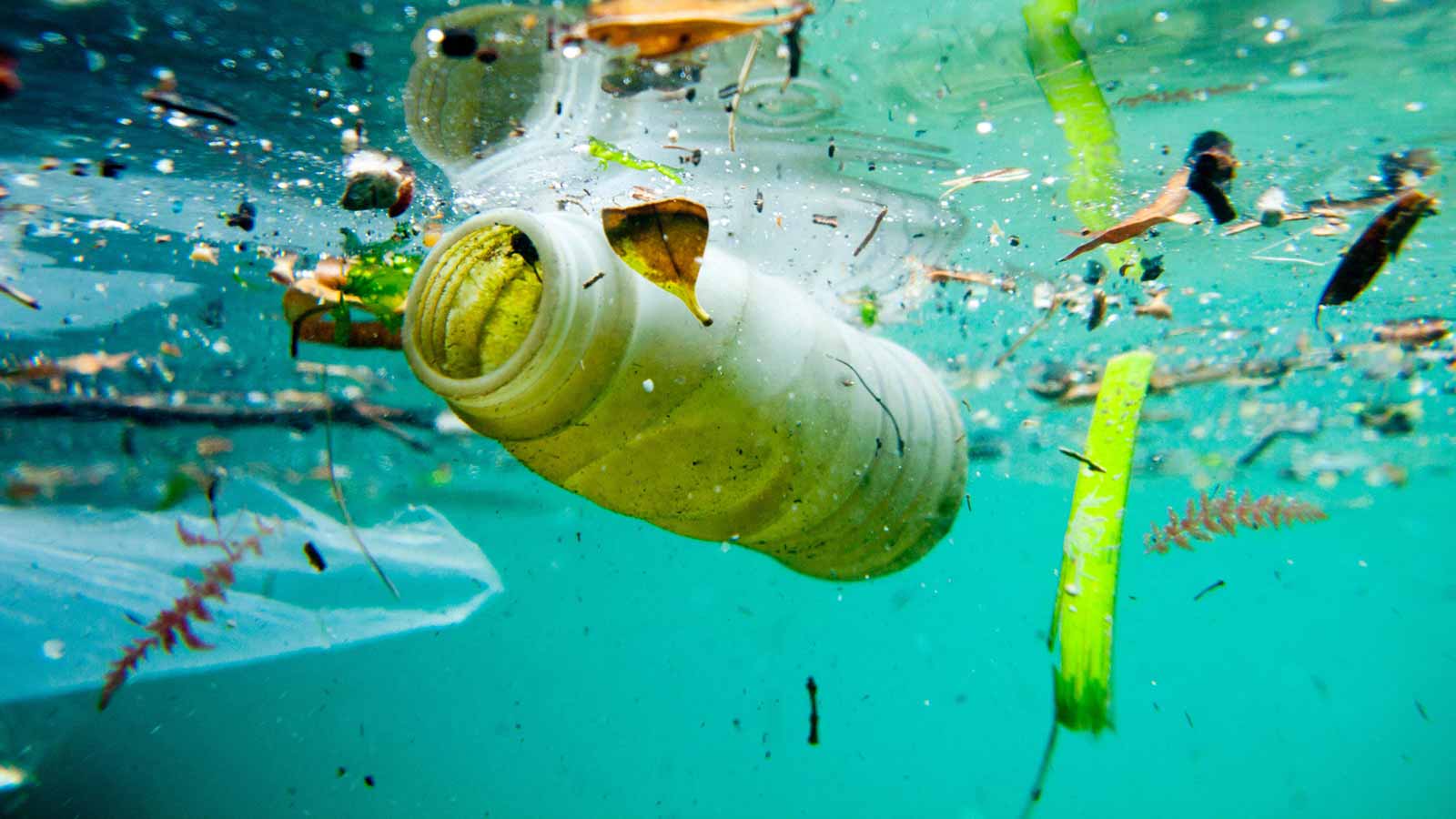
Efforts to combat the growing threat of ocean pollution have reached a significant milestone with the development of advanced remote sensing technologies designed to detect microplastics. These millimeter-sized plastic fragments, often invisible to the naked eye, are accumulating in oceans at alarming rates, posing serious risks to marine ecosystems and human health. According to NASA’s Ocean Biology and Biogeochemistry program, these innovative techniques are set to transform the way scientists monitor and address plastic pollution globally.
Why Microplastics Are a Global Concern
Since the 1950s, buoyant plastic waste has been accumulating at the surface of oceans, transported by currents, wind, and waves. Microplastics, defined as fragments smaller than 4.75 mm, now number in the trillions worldwide. Their presence disrupts marine life, contaminates food chains, and threatens coastal economies reliant on fishing and tourism. European Space Agency (ESA)-funded projects, such as AIR-SOS and AIDMAP, emphasize the urgent need for scalable solutions to monitor and mitigate this pervasive issue.
Harnessing AI and Satellite Technology
Recent breakthroughs leverage artificial intelligence (AI) and satellite imaging to enhance detection capabilities. For instance, the AIDMAP project integrates drone data with satellite imagery to pinpoint floating plastic litter in accumulation zones. Similarly, ESA’s DL4PlasticLitter initiative employs deep learning to simulate realistic detection scenarios using synthetic satellite data. These advancements promise more precise identification and mapping of plastic pollution hotspots.
Innovative Research Driving Solutions
Research teams are exploring novel methodologies to tackle microplastic detection. NASA’s study on hyperspectral reflectance aims to distinguish plastic concentrations in ocean color signals, while ESA’s BLUE project investigates the potential of LIDAR technology for underwater plastic identification. These efforts are complemented by initiatives like AIR-SOS, which utilize airborne platforms to validate satellite algorithms for detecting marine litter.
European Leadership in Environmental Action
Europe plays a pivotal role in driving these innovations. Projects funded by ESA highlight the continent’s commitment to addressing marine pollution through cutting-edge technology. Study areas such as Vietnam and the Elbe River discharge zone serve as testing grounds for these methods, reflecting a global collaboration to combat oceanic plastic waste.
Human Impact and the Path Forward
The implications of these advancements extend beyond scientific discovery. Cleaner oceans mean healthier marine ecosystems, more sustainable fisheries, and improved livelihoods for coastal communities. As researchers refine these technologies, international cooperation and public awareness will be crucial in scaling solutions to address the microplastic crisis effectively.
With groundbreaking tools on the horizon, the fight against ocean pollution enters a promising new phase. The combined efforts of scientists, governments, and global organizations offer hope for restoring the health of our seas and protecting the planet for future generations.
Source: Ioccg, Labmanager