


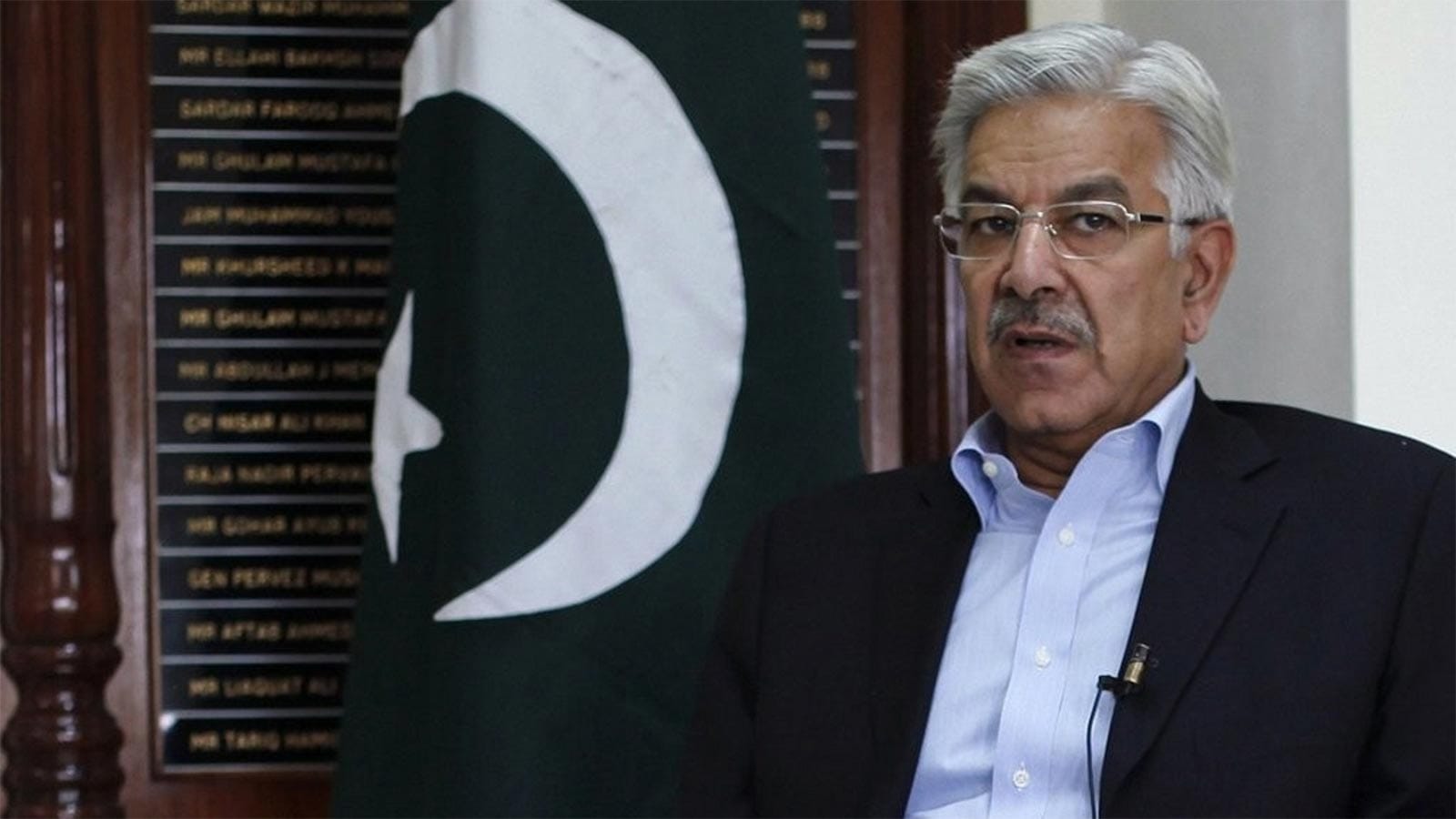
- Pakistan’s Defence Minister Khawaja Asif denies any scheduled meeting of the National Command Authority.
- India and Pakistan exchange military strikes, marking the worst escalation since 1999.
- U.S. Secretary of State Marco Rubio urges both nations to de-escalate and engage in dialogue.
- Fears of nuclear escalation rise as both nations mobilize troops and military assets.
- Over 60 civilians reportedly killed in cross-border clashes since Wednesday.
Pakistan Denies Nuclear Body Meeting Amid Rising Tensions
Pakistan’s Defence Minister Khawaja Asif stated on Saturday that no meeting of the National Command Authority (NCA), the country’s top civil-military body overseeing its nuclear arsenal, is scheduled. This announcement comes amid escalating tensions between Pakistan and India, following a series of military strikes and counter-strikes over the past week.
The denial contradicts earlier reports from Pakistan’s military that suggested Prime Minister Shehbaz Sharif had called for an NCA meeting. The Defence Minister emphasized that nuclear escalation remains a “very distant possibility” and should not be discussed in the immediate context. He expressed optimism that the situation would de-escalate before reaching such a critical point.
Military Escalation: Strikes and Counter-Strikes
The latest round of hostilities began on Wednesday when India launched strikes inside Pakistan, targeting what it described as “terrorist infrastructure.” Pakistan retaliated with missile and drone strikes on Indian military installations, marking the most intense conflict between the nuclear-armed neighbors since the Kargil War in 1999.
According to Indian military sources, Pakistan targeted multiple airbases, including those in Punjab and Jammu regions. India claimed its air defense systems successfully intercepted most incoming threats, minimizing damage. However, five civilians were reported killed in the Jammu region, and several others were injured.
On the Pakistani side, officials accused India of initiating the conflict by firing missiles at three Pakistani airbases, including one near the capital, Islamabad. Pakistan’s military spokesperson announced that their air defenses intercepted most of these attacks, averting significant damage.
U.S. and International Calls for De-escalation
Amid the escalating violence, U.S. Secretary of State Marco Rubio intervened, urging both nations to de-escalate and re-establish direct communication to avoid miscalculation. Rubio held separate calls with Pakistan’s Army Chief General Asim Munir and India’s Foreign Minister Subrahmanyam Jaishankar, emphasizing the importance of dialogue.
Jaishankar reaffirmed India’s commitment to a measured and responsible approach, stating that India would exercise restraint if Pakistan reciprocated. Pakistan’s Foreign Minister Mohammad Ishaq Dar echoed a similar sentiment, suggesting that Pakistan would consider halting its operations if India did the same.
Fears of Nuclear Escalation
The ongoing conflict has reignited fears of nuclear escalation in one of the world’s most volatile regions. Analysts have long warned that any significant military confrontation between India and Pakistan could spiral into a nuclear crisis. Unlike India, Pakistan does not adhere to a no-first-use nuclear policy, further heightening concerns.
Despite these fears, Defence Minister Khawaja Asif sought to reassure the public, stating that nuclear weapons are not being considered in the current context. “We shouldn’t even discuss it in the immediate context,” he told ARY TV.
Civilian Impact and Regional Displacement
The conflict has had a devastating impact on civilians in border regions. Over 60 people have been killed, and hundreds injured since the clashes began. Families living near the border have fled to safer areas, while residents in major cities like New Delhi and Islamabad are stockpiling essential supplies in anticipation of further escalation.
In Jammu and Kashmir, sirens have been installed in high-rise buildings, and streets remain deserted as residents fear further attacks. Rajeev Gupta, a resident of Jammu, described the situation as unprecedented, stating, “Jammu city has never been hit before. Never thought we will be hit like this.”
Historical Context and the Kashmir Dispute
The current escalation is rooted in the longstanding Kashmir dispute, a flashpoint that has fueled multiple wars and skirmishes between India and Pakistan since their independence in 1947. Both nations claim the region in full but administer separate parts.
The latest clashes were reportedly triggered by a deadly attack on Hindu tourists in Indian-administered Kashmir last month, which India blamed on Pakistan-based militant groups. Pakistan has denied any involvement and called for an independent investigation.
As the situation unfolds, international observers continue to call for restraint and dialogue, emphasizing the catastrophic consequences of further escalation in a nuclear-armed region.
*Source: Reuters, Indian Ministry of Defence, ARY TV*