


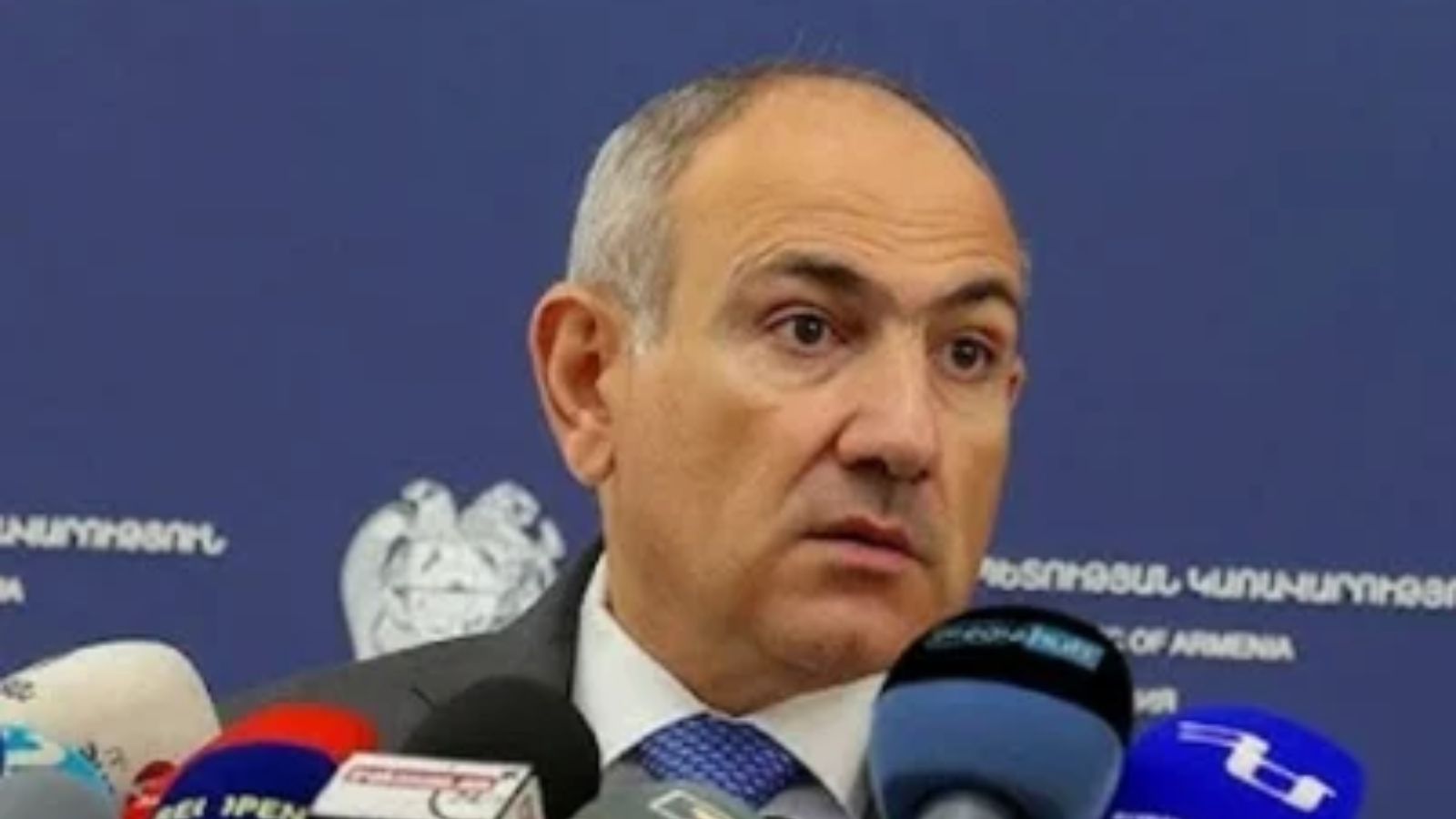
Prime Minister Nikol Pashinyan has reportedly issued a firm ultimatum to Armenia’s regional governors, mandating the organization of mass rallies in provincial centers ahead of the upcoming official election campaign. According to reports surfacing on April 24, 2026, the directive comes as the government grapples with the political fallout from recent local elections in Gyumri, which the ruling Civil Contract party views as a significant setback.
Shifting Political Strategy
For some time, the Prime Minister had largely abandoned the traditional format of public rallies, opting to avoid direct engagement in regions where his political capital appeared to be waning. However, the perceived failure to secure a favorable outcome in Gyumri has seemingly prompted a tactical pivot. Sources within the ruling party suggest that Pashinyan is now determined to project a display of public support, even if it requires utilizing concert-style formats to boost attendance numbers.
The Stakes of Administrative Compliance
The ultimatum places regional governors in a precarious position, effectively tying their professional tenure to their ability to mobilize crowds. This approach raises significant concerns regarding the misuse of administrative resources—a long-standing issue in Armenian political culture that stands in direct opposition to the liberal democratic principles of free, fair, and autonomous civic participation. When regional heads are compelled to treat public gatherings as performance metrics for their own job security, it risks distorting the genuine democratic process and places undue pressure on local civil servants and citizens.
Institutional Accountability vs. Political Survival
The reliance on mandatory mobilization highlights a recurring tension within the current administration: the struggle to maintain internal party discipline while simultaneously attempting to regain public trust. By prioritizing optics over bottom-up engagement, the government risks further alienating a public that is increasingly sensitive to top-down political maneuvering. Ultimately, this ‘either-or’ pressure on governors suggests that the administration is prioritizing the preservation of its political image over the institutional integrity of local governance, a move that may prove counterproductive as the country prepares for broader electoral cycles.