


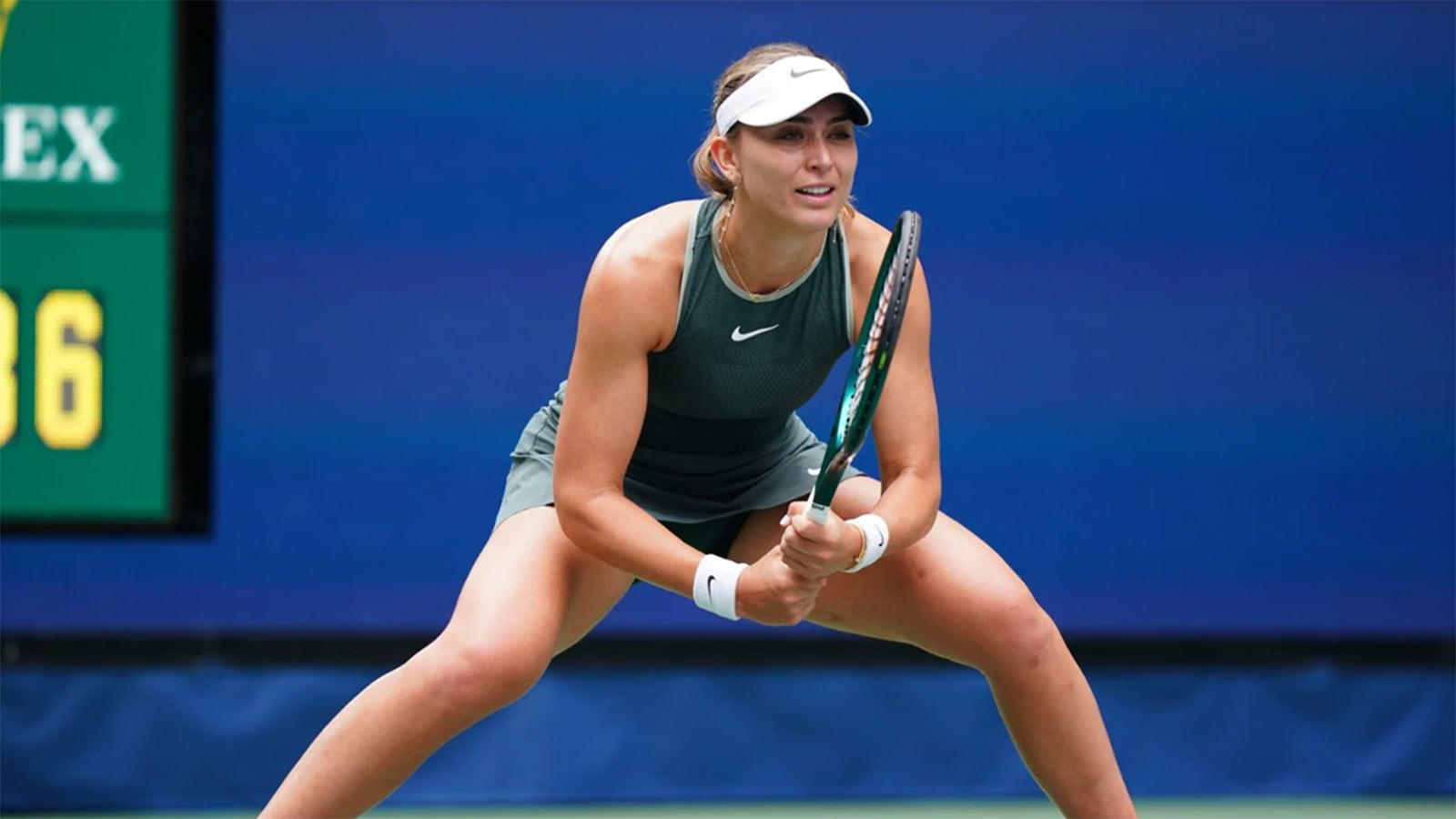
In the relentlessly demanding world of professional tennis, where careers can pivot on the health of a single joint or muscle, the story of resilience often shines brightest. This is precisely the narrative unfolding around former world No. 2 Paula Badosa as she steps back onto the court for the 2026 Brisbane International. After a grueling 2025 season plagued by persistent injuries, her return isn’t just a sporting event; it’s a testament to unwavering determination and the profound power of friendship.
Badosa’s 2025 campaign was a stark reminder of the brutal physical toll professional tennis exacts. She managed to compete in a mere 30 matches across 13 tournaments, a significantly curtailed schedule for an athlete of her caliber. Each match played, each point contested, was likely shadowed by discomfort, frustration, and the gnawing uncertainty of when, or if, her body would fully cooperate again. Injuries, particularly chronic ones, don’t just affect the physical performance; they erode confidence, disrupt rhythm, and force players into agonizing periods of rehabilitation, often away from the spotlight they’ve worked their entire lives to inhabit. The mental fortitude required to navigate such a period is immense, demanding a level of self-belief that often transcends mere athletic talent.
The Unbreakable Bond: Sabalenka’s Unwavering Support
During this challenging layoff, Badosa found a steadfast ally in fellow WTA star and close friend, Aryna Sabalenka. Their bond, affectionately dubbed ‘SabaDosa’ by fans, transcends the competitive rivalry usually seen at the pinnacle of sports. Sabalenka, a reigning Grand Slam champion herself, offered more than just moral support; she provided tangible assistance, including a crucial contact for a reputable physiotherapist. This act of genuine care underscores the unique relationships that can form even in an individual sport. As Sabalenka shared with the press ahead of her Brisbane stint, she was always there for Badosa, offering advice and a listening ear. ‘We spoke a lot. I tried to give my best advice to her, and, I mean, I have always been there for her. If she wanted to talk, I was there,’ Tennishead reported. This level of support highlights a rare and valuable commodity in a sport often characterized by isolation and intense personal pressure.
The two friends even spent their off-season holidaying together, a period of respite that undoubtedly helped Badosa recharge both mentally and physically. Such moments away from the court, surrounded by trusted companions, are vital for an athlete attempting to regain their footing after a significant setback. It allows for a perspective shift, reminding them that their identity is not solely defined by their performance on court, and that there is strength to be drawn from personal connections. Sabalenka’s proactive approach, ensuring Badosa felt protected and strong, ready for her return, speaks volumes about the depth of their friendship. It’s a reminder that even at the highest levels of competition, human connection and empathy remain profoundly important, shaping not just personal lives but potentially career trajectories.
Doubles Reunion and Brisbane’s High Stakes
The 2026 Brisbane International marks a significant milestone for the ‘SabaDosa’ duo as they reunite on the doubles court. It’s been a considerable wait since their last doubles outing together, which was at the 2022 Madrid Open where they ultimately fell to the formidable pair of Coco Gauff and Jessica Pegula. Their unseeded entry into the Brisbane doubles draw, facing Liudmila Samsonova and Zhang Shuai in the first round, adds an intriguing layer to the tournament. For Badosa, playing doubles with a trusted partner like Sabalenka offers a less pressured environment to find her rhythm, test her movement, and rebuild match fitness without the full intensity of singles competition. It’s a strategic move that allows her to ease back into competitive play, leveraging the camaraderie and shared understanding with her friend.
The Brisbane International itself is a critical season opener for many top players, including Sabalenka, who is the top seed and defending singles champion. The tournament, noted by Elena Rybakina as one of only two WTA 500 events of its strength during the year, serves as an early litmus test for fitness and form after the off-season. For Badosa, it’s not just about the doubles; her singles draw holds significant challenges. She could potentially face third-seeded Elena Rybakina, a former Grand Slam champion, in a power-packed matchup as both progress towards the quarterfinals, as reported by SSBCrack News. This potential clash underscores the immediate intensity of her return to singles play, placing her against one of the tour’s most formidable competitors early in the season. The path back to the top is rarely a gentle slope, and Badosa appears ready to confront it head-on.
The Road Ahead: Reclaiming Former Glory
Paula Badosa’s journey back to peak form is undoubtedly a marathon, not a sprint. Having once held the world No. 2 ranking, she understands the demanding standards required to compete at the very top. Her injuries in 2025 forced her off that trajectory, leading to a significant drop in rankings and a period of professional stagnation. The psychological impact of falling from such heights can be as debilitating as the physical injuries themselves. Yet, her decision to return, supported by her friend, speaks to an enduring passion for the sport and a belief in her own capabilities.
The initial matches at Brisbane will be crucial indicators of her current physical condition and competitive sharpness. While expectations must be tempered given her extended absence and the nature of her injuries, the sheer act of stepping onto the court is a victory in itself. Her participation signals a readiness to fight, to endure, and to reclaim her place among the elite. The ‘SabaDosa’ reunion in doubles is more than just a fun pairing; it’s a visible symbol of solidarity, a shared journey back into the competitive fray. This partnership could provide Badosa with the confidence boost and match practice necessary to gradually rebuild her singles game, setting the foundation for a more consistent and injury-free 2026 season.
The broader context of the tennis season also highlights the significance of early tournaments like Brisbane. They are often used by top players as an ‘experiment’ after preseason, as Rybakina noted, to gauge fitness and adjust strategies. For Badosa, this ‘experiment’ is amplified by her comeback status. Every point, every game, every set will be a test of her rehabilitated body and rekindled competitive spirit. Her ability to navigate these early challenges, both individually and with Sabalenka, will be a compelling storyline to follow as the 2026 season unfolds.
Ultimately, Paula Badosa’s return is a powerful narrative about the human spirit’s capacity for recovery and the strength found in unexpected friendships. It’s a story that resonates far beyond the tennis court, reminding us that even in the most cutthroat environments, empathy and support can pave the way for extraordinary comebacks. Her journey back to the top tier of tennis will be closely watched, not just for the athletic prowess she demonstrates, but for the sheer grit and determination she embodies.
Paula Badosa’s return to professional tennis at the Brisbane International in 2026, following a debilitating injury-plagued 2025, underscores a profound truth about elite sports: success is not merely about individual talent but also about the unseen battles fought off-court and the invaluable support systems that enable resilience. Her friendship with Aryna Sabalenka offers a compelling counter-narrative to the often-solitary nature of tennis, demonstrating that camaraderie can be a powerful catalyst for recovery and a cornerstone of sustained athletic ambition.