


A Skeptical View on the 2028 GOP Field
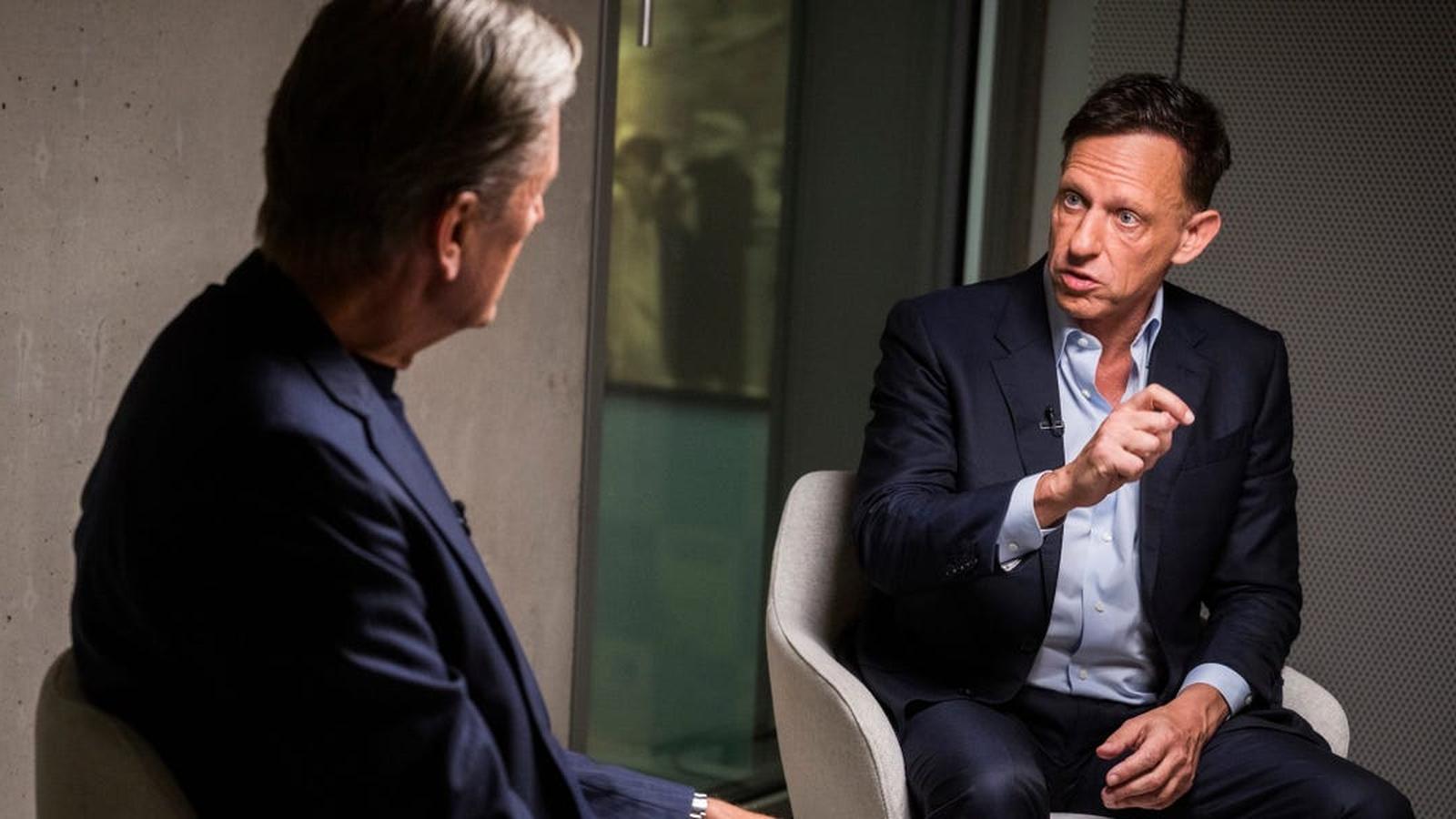
Technology investor and prominent Republican donor Peter Thiel has expressed doubt regarding the GOP’s ability to secure the White House in the 2028 presidential election, even if the party nominates his long-time ally, Vice President JD Vance. In an interview on the “MD Meets” podcast released Thursday, Thiel characterized the ongoing debate over whether Vance or Secretary of State Marco Rubio would be a stronger candidate as “the wrong question,” suggesting that both figures face significant electoral hurdles. Benzinga reported that Thiel remains a “Vance partisan” but worries that the broader political climate will make it “very hard for either candidate to win.”
Focus on Democratic Institutional Weight
Thiel, a cofounder of PayPal, argued that his primary concern lies not with internal Republican dynamics but with the trajectory of the Democratic Party. As noted by Business Insider, Thiel described the Democratic Party as the “establishment party” in the United States, possessing greater institutional weight than the Republican Party, which he characterized as inherently “anti-establishment.”
Thiel suggested that a potential Republican electoral setback in the upcoming November midterm elections could embolden Democrats to select a democratic socialist as their nominee for 2028. He assigned a roughly 50% probability to this scenario, characterizing such an outcome as a significant threat to the country’s direction. Thiel noted that because the Democratic Party holds central institutional status, a shift toward a more radical platform would represent a “much bigger deal” for the nation than current GOP infighting.
Deep Ties and Shifting Political Landscapes
The relationship between Thiel and Vance is well-documented, rooted in their time at Yale Law School and Vance’s subsequent tenure at Mithril Capital, a venture firm cofounded by Thiel. Vance has previously credited Thiel as a formative influence on his professional life. During the 2022 Ohio Senate primary, Thiel provided $15 million in support to a pro-Vance super PAC, a contribution that proved instrumental in Vance’s victory.
Despite these ties, Thiel has largely stepped back from direct involvement in the 2024 election cycle, focusing instead on his broader geopolitical and economic interests. This includes an increasing interest in the libertarian-leaning economic policies of Argentine President Javier Milei, with reports indicating that Thiel recently purchased a $12 million estate in Buenos Aires. As the political calendar moves toward the post-midterm landscape, the question of GOP leadership remains fluid, with observers like commentator Ben Shapiro noting that the nomination process may resemble a “prisoner’s dilemma” for party hopefuls.