
Quick Read
- President Pezeshkian has formally welcomed Mojtaba Khamenei as Iran’s new Supreme Leader, claiming it will strengthen national unity.
- The Iranian president has denied state involvement in recent drone strikes on Azerbaijan’s Nakhchivan exclave and pledged an investigation.
- Internal hardline backlash forced Pezeshkian to walk back recent apologies to Gulf states, highlighting the ongoing power struggle between the presidency and the IRGC.
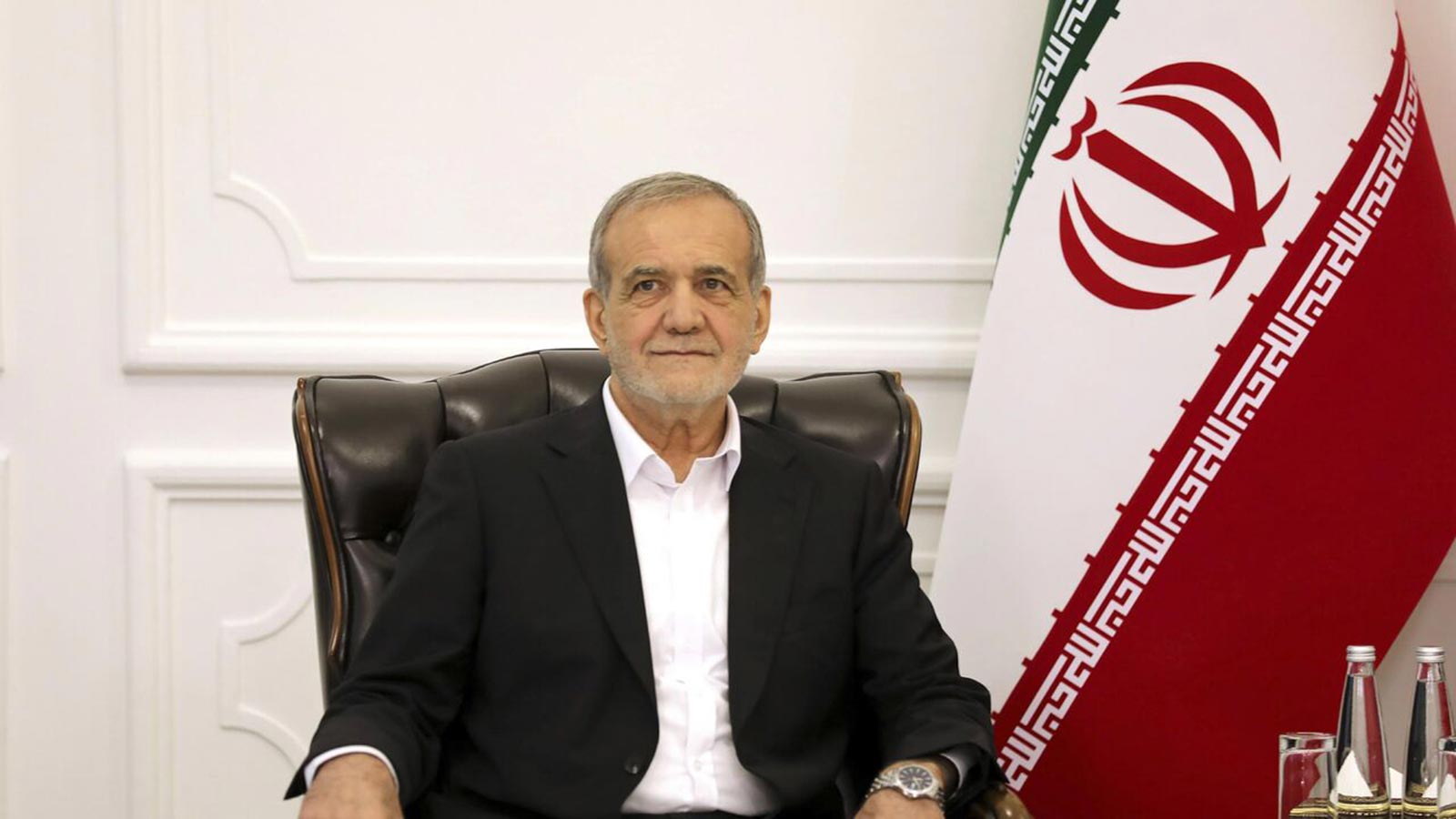
TEHRAN (Azat TV) – Iranian President Masoud Pezeshkian is attempting to stabilize his administration following a transformative week in Tehran, characterized by the formal appointment of Mojtaba Khamenei as the new Supreme Leader and a series of high-stakes diplomatic and military crises. The transition, sanctioned by the Assembly of Experts, has been described by Pezeshkian as the dawn of a “new era of dignity and strength,” yet his administration remains shadowed by persistent questions regarding the true locus of power within the Iranian state.
The Dual Reality of Iranian Governance
The appointment of Mojtaba Khamenei, which has already garnered pledges of allegiance from the Islamic Revolutionary Guard Corps (IRGC) and key parliamentary figures, arrives during a period of profound regional instability. While President Pezeshkian has publicly championed the move as a foundation for national unity, his domestic and international standing remains complicated by the “mosaic defence” doctrine. As articulated by Foreign Minister Abbas Araghchi, this strategy allows various armed actors within the Iranian security apparatus to operate with significant autonomy, often independent of civilian oversight.
Diplomatic Tensions and Military Incidents
The disconnect between the presidential office and military operations was underscored this weekend following a drone incident in Azerbaijan’s Nakhchivan exclave. Azerbaijani authorities reported that four Iranian drones crossed the border, striking the international airport and a school, leaving four civilians injured. President Pezeshkian personally reached out to his Azerbaijani counterpart, Ilham Aliyev, to deny state involvement and pledge a full investigation. This incident occurred alongside reports from Baku that the Azerbaijani security services successfully thwarted a broader Iranian plot targeting the Israeli embassy and energy infrastructure.
The Challenge of Regional Diplomacy
Pezeshkian’s attempts to recalibrate Iran’s foreign policy have faced immediate, often violent, friction. The President recently issued an apology regarding Tehran’s sustained military operations against Gulf states, which have involved over 500 ballistic missiles and 2,000 drones since late February. However, he was forced to backtrack on these conciliatory remarks following intense backlash from hardline factions within the regime. The resulting confusion in command and control has left international observers struggling to identify which voice represents the official policy of the Iranian government.
The juxtaposition of the President’s diplomatic overtures with the continued, autonomous aggression of the IRGC indicates that while the leadership of the Supreme Leader has changed, the structural fragmentation of Iranian power persists, likely ensuring that external diplomatic engagement remains highly unpredictable.