
Quick Read
- Poland’s presidential election enters a decisive runoff on Sunday.
- The vote pits liberal Rafał Trzaskowski against conservative Karol Nawrocki.
- Results will shape Poland’s stance on democracy, EU ties, and regional security.
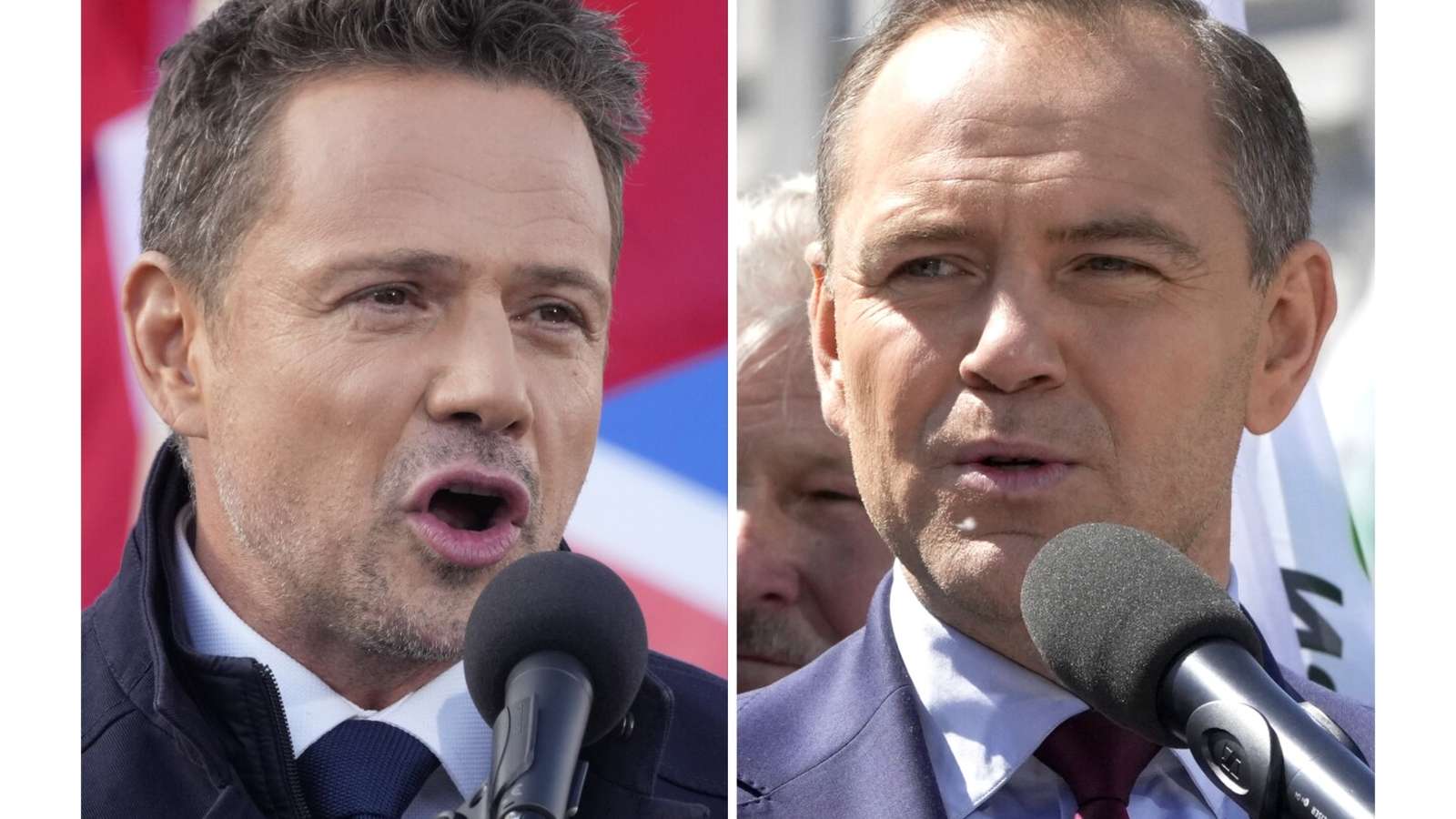
Poland finds itself at a critical juncture as voters prepare to decide the nation’s future in a presidential runoff election on Sunday. The showdown between Rafał Trzaskowski, Warsaw’s liberal mayor, and Karol Nawrocki, a conservative historian, reflects the sharp ideological divides shaping Poland’s political landscape.
Two candidates, two visions for Poland
Rafał Trzaskowski, 53, represents Poland’s progressive, pro-European faction. As Warsaw’s mayor and deputy leader of the Civic Platform party, Trzaskowski has spent years modernizing the capital through investments in infrastructure and culture. His vision includes judicial reforms, stronger EU ties, and expanded women’s rights, including easing abortion restrictions. His supporters see him as a pragmatic leader who can restore democratic checks and balances.
Karol Nawrocki, 42, embodies the nationalist populism championed by the Law and Justice party (PiS), though he is not a party member. A historian with no prior political experience, Nawrocki positions himself as a defender of traditional values, emphasizing sovereignty and Christian identity. His campaign has received vocal backing from conservative leaders like Donald Trump and Viktor Orbán, fueling his appeal to right-wing voters. However, allegations of past criminal ties and controversies have dogged his candidacy, although many of his supporters dismiss them as politically motivated.
What’s at stake in this election?
The election outcome will have far-reaching implications for Poland’s political direction, its relationship with the European Union, and its role in regional security. With outgoing President Andrzej Duda concluding his second term, the new president’s power to veto laws will be pivotal in either advancing or hindering Prime Minister Donald Tusk’s centrist government agenda.
Key issues include:
- Democracy and the rule of law: Trzaskowski pledges to reverse judicial reforms criticized as anti-democratic, while Nawrocki is likely to uphold PiS’s changes.
- EU relations: Trzaskowski envisions deeper collaboration with European partners, while Nawrocki’s rhetoric aligns with skepticism toward Brussels.
- Security concerns: Amid Russia’s ongoing war in Ukraine, both candidates back support for Kyiv but differ on NATO membership for Ukraine. Nawrocki opposes it, whereas Trzaskowski sees it as a future possibility.
An unpredictable race
The first round of voting on May 18 revealed just how close this race would be. Trzaskowski led with over 31% of the vote, while Nawrocki garnered nearly 30%, surprising many who underestimated his support. Eleven other candidates were eliminated, setting the stage for a head-to-head contest. Recent polls show the candidates neck and neck, with factors such as high turnout among Polish expatriates potentially tipping the scales.
The unpredictability is further amplified by Nawrocki’s unexpected surge and Trzaskowski’s reliance on urban voters and younger demographics. As of Sunday evening, exit polls showed Trzaskowski with 50.3% and Nawrocki at 49.7%, within the Ipsos poll’s margin of error of two percentage points.
Global stakes and ideological divides
This election has drawn international attention as part of a broader ideological struggle between liberal democracy and nationalist populism. Nawrocki’s alignment with U.S. conservatives and Hungarian Prime Minister Viktor Orbán reflects a global rightward shift in certain circles, while Trzaskowski is viewed as a bulwark against authoritarian trends in Europe. His candidacy resonates with European centrists and leaders who see him as a defender of democratic norms.
For many voters, the stakes are personal. Katarzyna Malek, a 29-year-old Warsaw resident, switched her vote to Trzaskowski in the second round, citing his competence and focus on reducing societal tensions. Meanwhile, Władysława Wąsowska, an 82-year-old conservative voter, framed her support for Nawrocki as a patriotic choice, emphasizing traditional values and national sovereignty.
What’s next for Poland?
With final results expected on Monday, both candidates remain optimistic. Trzaskowski vowed to be a president for all Poles, while Nawrocki expressed confidence in a last-minute turnaround. The stakes are high, and a close result could lead to protracted legal battles, given the politicized nature of Poland’s judiciary under PiS.
Turnout has been robust, with nearly 69% participation by Sunday evening. A record number of overseas voters, many of whom favor Trzaskowski, could prove decisive. As Poland waits, the nation—and the world—will watch closely, understanding that the result could reshape not just Poland’s future, but its place in Europe.
As the final votes are counted, this election will serve as a litmus test for Poland’s democratic resilience and its geopolitical alignment. Whether Poland leans toward nationalist populism or reclaims a liberal democratic path will echo far beyond its borders.