


Preclinical Research Identifies Potential Therapeutic Target
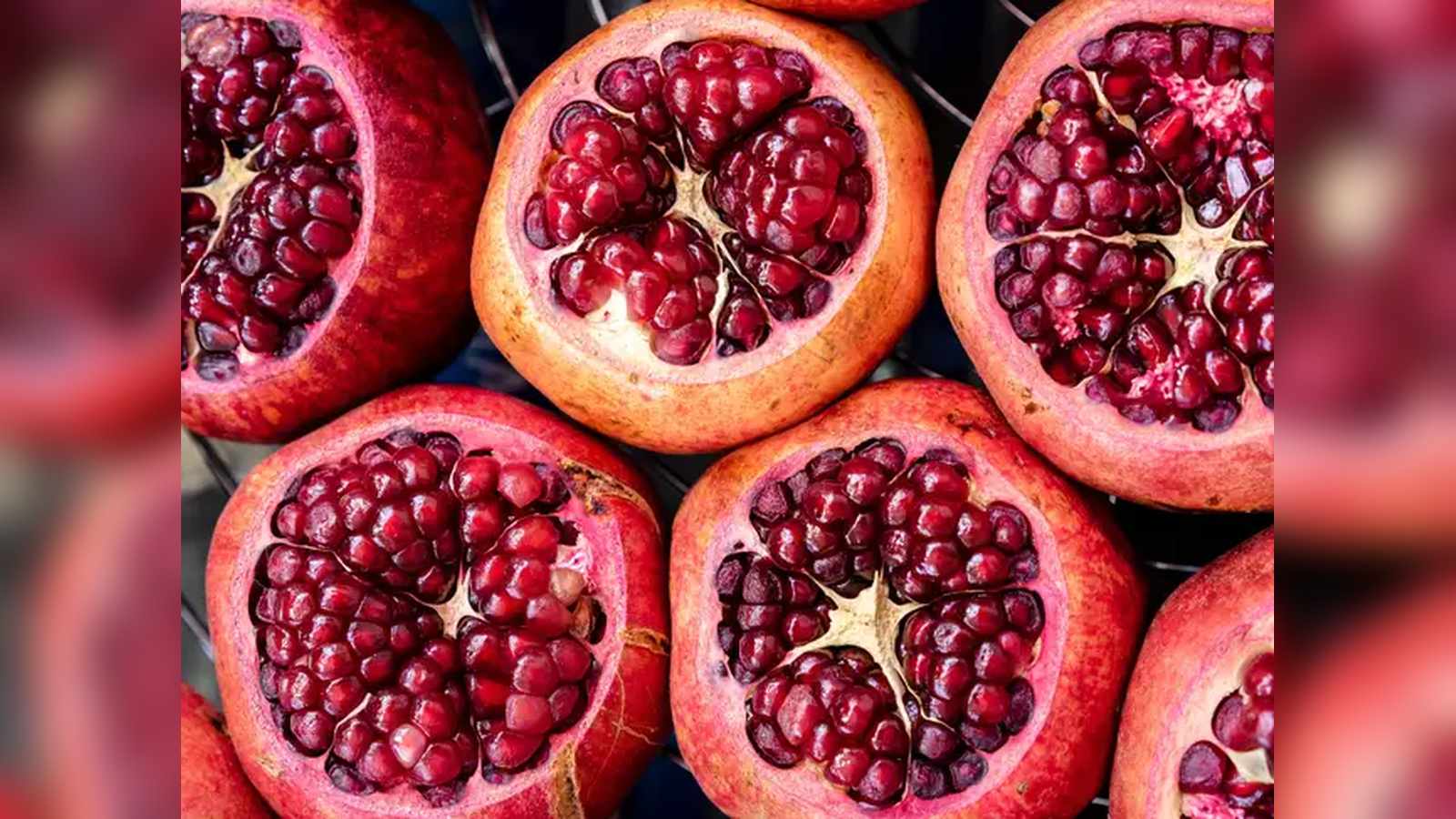
A natural compound produced when gut bacteria digest foods such as pomegranates, walnuts, and berries has demonstrated significant potential in treating a difficult form of heart failure. Researchers at King’s College London published findings showing that urolithin A improved measures of heart function by up to 80% in experimental models, offering a potential new avenue for addressing a condition with notoriously limited treatment options.
The study specifically examined heart failure with preserved ejection fraction (HFpEF), a condition where the heart muscle pumps blood normally but becomes stiff, struggling to relax and fill properly between beats. According to the Economic Times, HFpEF accounts for approximately half of all heart failure cases and is becoming increasingly prevalent due to aging populations alongside rising rates of obesity, diabetes, and high blood pressure.
Cellular Mechanisms and Experimental Results
Urolithin A is a postbiotic that has previously drawn scientific interest for its role in mitochondrial function and healthy aging. However, only about 40% of people can efficiently produce it naturally through digestion. In this latest study, researchers discovered that urolithin A activates a specific protein known as PKG1a, which plays a crucial role in regulating blood vessel function and relaxing the heart muscle.
By targeting a specific amino acid on the protein, the compound triggered a cardioprotective pathway. When tested in animal models of HFpEF, urolithin A treatment improved heart function measurements by up to 80% compared to untreated models. Laboratory experiments also revealed that the compound successfully reduced cardiac fibrosis—harmful scarring of the heart tissue—and limited the abnormal enlargement of heart muscle cells associated with disease progression.
Testing on Engineered Human Heart Tissue
To evaluate whether animal findings might translate to humans, the research team tested urolithin A on engineered human heart tissue created from stem cells. This laboratory model was designed to replicate the structural and functional properties of human heart muscle.
The tests confirmed that urolithin A significantly improved tissue relaxation in the engineered human samples. While this provides a strong biological signal that the mechanism is relevant to human physiology, senior study author Dr. Joseph Burgoyne emphasized that clinical trials involving human patients remain necessary to confirm efficacy.
Medical Caution and Next Steps
Despite the encouraging results, researchers and health officials have strongly cautioned against interpreting the findings as a dietary cure. Dr. Burgoyne noted that because the disease is complex and varies considerably between patients, traditional heart failure treatments often prove ineffective, and eating pomegranates alone will not treat heart failure.
Professor James Leiper, Director of Research at the British Heart Foundation, which funded the study, echoed these warnings. While describing the early-stage findings as promising, Leiper stressed that no single food can prevent or treat heart disease on its own, and a balanced diet remains important while further clinical evaluations are planned.