


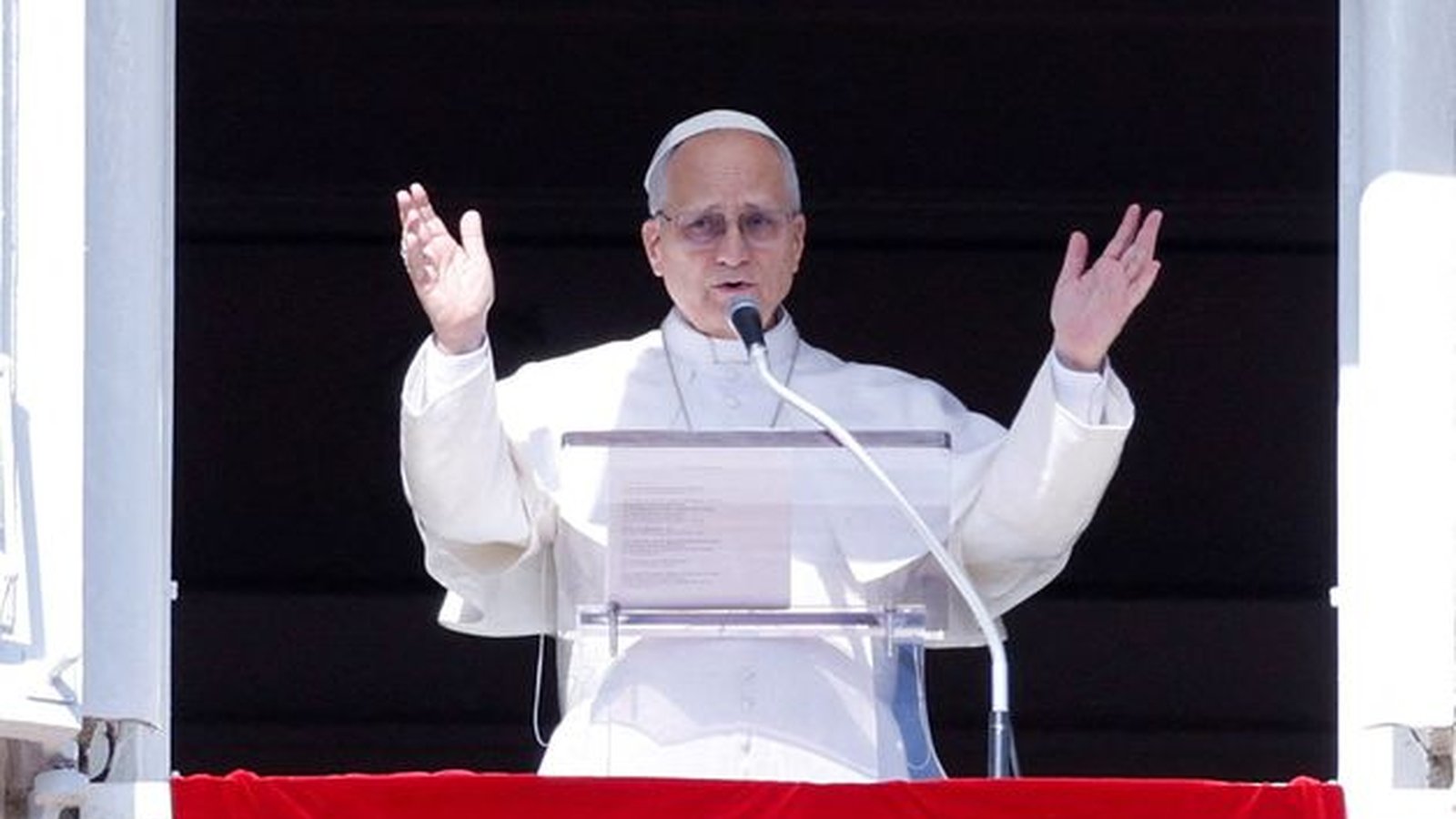
On the first anniversary of Pope Francis’s passing, his successor, Pope Leo XIV, has used the platform of an apostolic journey to Africa to reflect on the late pontiff’s legacy. Speaking aboard the papal plane while traveling from Angola to Equatorial Guinea, the current head of the Catholic Church emphasized Francis’s enduring commitment to the marginalized and his vision of universal fraternity. This commemoration occurs at a time when the Vatican is recalibrating its diplomatic posture toward the volatile geopolitical landscape of the Middle East and the Caucasus, moving toward a more assertive stance against what it characterizes as illegitimate war.
A Legacy of Mercy and Global Fraternity
Pope Francis, who died on Easter Monday in 2025 following a stroke, left behind a pontificate defined by its focus on mercy and the inclusion of those often excluded from societal discourse. Pope Leo XIV’s reflections, shared with journalists, highlighted the late pope’s consistent call for human dignity, a principle that remains central to the current Vatican’s efforts to promote peace and dialogue in regions plagued by displacement and conflict. By framing Francis’s life as a witness to the Gospel’s call for justice, the current papacy is effectively reinforcing its own commitment to the protection of vulnerable populations.
The Moral Imperative in International Relations
Beyond the commemorative rhetoric, the Vatican is increasingly signaling that moral authority must translate into tangible diplomatic pressure. Reports indicate that Pope Leo XIV is moving toward a declaration that characterizes illegitimate war as fundamentally contrary to the Gospel. This shift is significant; it suggests an institutional move away from purely neutral mediation toward a more principled, rights-based approach to international crises. For displaced persons and victims of conflict, such as those affected by the ongoing instability in the South Caucasus, this represents a potential strengthening of the Church’s voice as a defender of human rights.
Institutional Accountability and the Path Forward
The intersection of religious influence and democratic accountability remains a delicate balance. As the Vatican navigates these global challenges, the emphasis on the rights of the displaced reflects a broader liberal democratic lens that prioritizes individual human rights over state-centric realpolitik. Whether this evolving doctrine will result in concrete diplomatic shifts remains to be seen, but the current administration’s focus on the “least among us” suggests that the Vatican intends to maintain its role as a moral counterweight to the unchecked use of force in international affairs.