


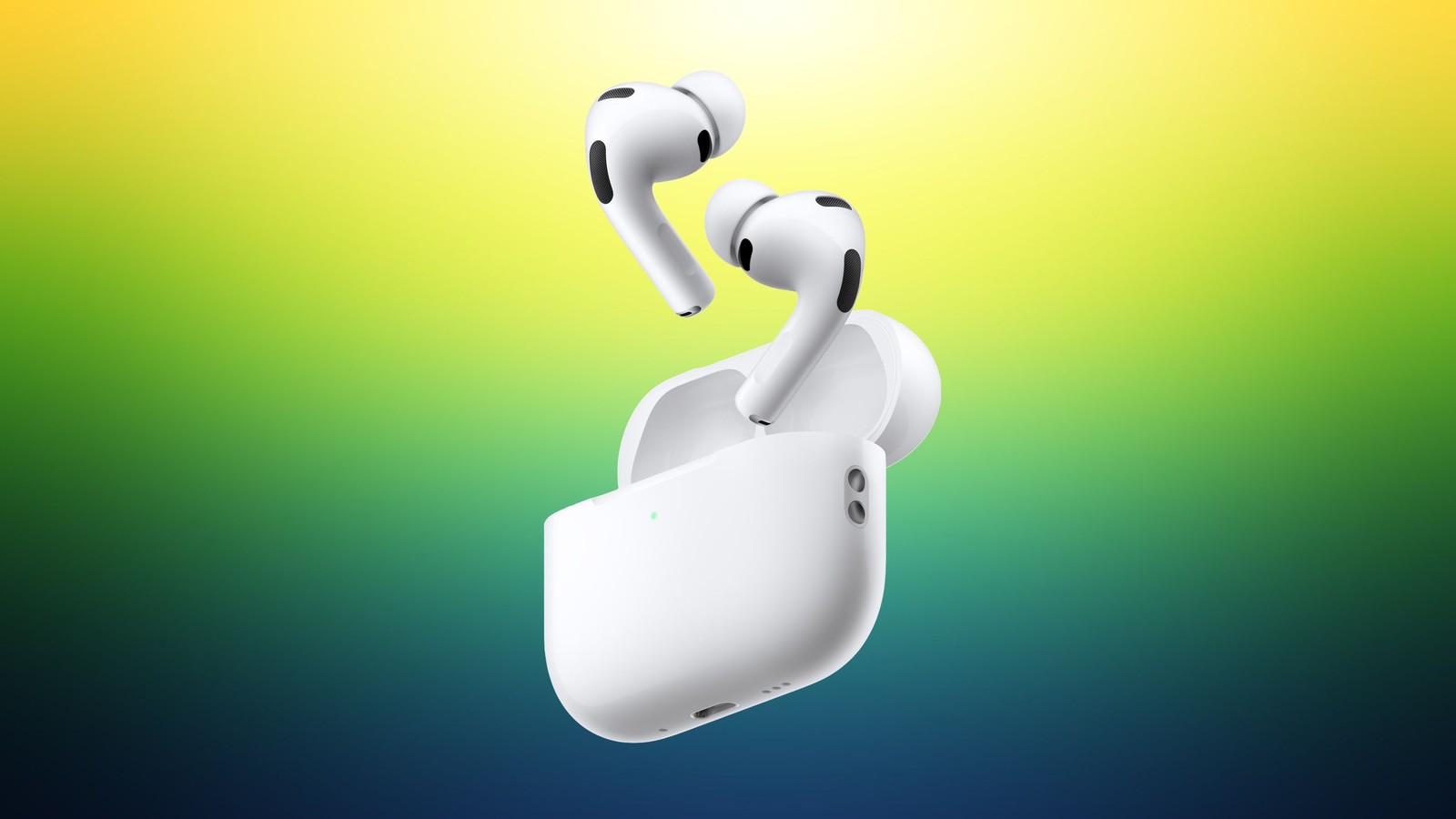
Prime Day 2026: A Strategic Shift for Apple Hardware
Amazon’s Prime Day 2026, which commenced on June 23, has introduced aggressive pricing for Apple’s ecosystem, including the Apple Watch Series 11 and AirPods Max 2. According to data tracked by Forbes Vetted and industry analysts, these devices are currently retailing at some of their lowest price points since their respective launches. Specifically, the Apple Watch Series 11 is seeing a 30% discount, while the AirPods Max 2 have dropped by $150, marking a significant entry point for consumers looking to upgrade their hardware.
The ‘Discount Inflation’ Risk
Despite the high-profile nature of these sales, industry experts are cautioning consumers regarding the transparency of retail pricing. Supervising deals editor Kara Cuzzone notes that major platforms are often criticized for inflating original list prices to make current discounts appear more substantial. “Amazon is notorious for offering constant ‘discounts’ on certain products,” Cuzzone explained, emphasizing the necessity for meticulous price-history research rather than relying solely on the advertised percentage off.
Analysis: Retail Strategy and Consumer Behavior
The current pricing strategy for Apple products during Prime Day reflects a broader shift in how premium tech brands are positioned during major retail events. Historically, Apple maintained a strict pricing floor to protect brand equity. However, as the 2026 hardware cycle matures, the reliance on third-party channels like Amazon to clear inventory and stimulate demand has become a standard institutional tactic. For consumers, the stakes involve distinguishing between genuine all-time-low prices and seasonal marketing maneuvers. As the retail landscape becomes increasingly data-driven, the ability for shoppers to verify historical price performance—rather than reacting to ‘Prime Exclusive’ labels—has become a critical skill for maximizing value in a saturated tech market.