


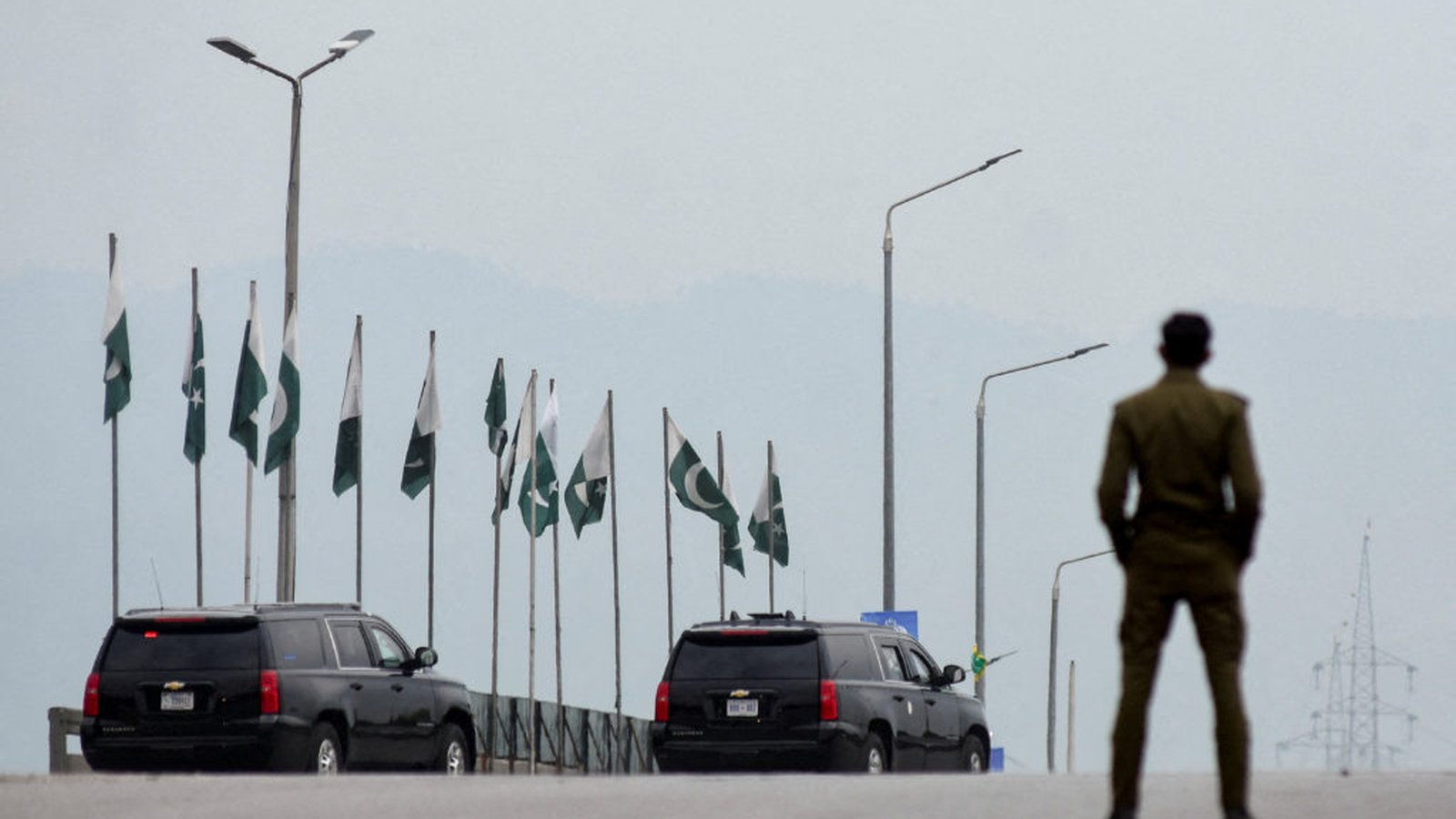
Diplomatic efforts to resolve the deepening crisis between the United States and Iran are returning to Islamabad this week, as President Donald Trump announced that a new American delegation is heading to Pakistan for emergency negotiations. This attempt to resume dialogue follows a failed 21-hour marathon session last weekend that left the Strait of Hormuz effectively closed, triggering one of the most severe global energy shocks in decades. The urgency of these talks is underscored by reports of US forces seizing an Iranian-flagged vessel in the Gulf of Oman, a move that signals a hardening of the US naval blockade even as negotiators prepare to sit down.
The Fragility of Regional Stability
The stakes for the South Caucasus, including Armenia, are immense. As a nation navigating a precarious geopolitical landscape, Armenia remains sensitive to any shifts in regional power dynamics that could disrupt energy corridors or embolden proxy actors in the Middle East. The current deadlock, characterized by what critics describe as “maximalist” demands from Washington and continued Iranian defiance, threatens to drag the region into a protracted conflict that undermines democratic stability and international rule of law. While official confirmation of Iran’s participation in the upcoming talks remains elusive, the movement of security personnel in Islamabad suggests that the pressure to reach a sustainable ceasefire is mounting.
Human Rights and Institutional Accountability
Beyond the immediate economic impact of skyrocketing oil prices, the conflict raises profound questions about institutional accountability and the protection of international shipping lanes. President Trump’s rhetoric, which has included threats against Iranian infrastructure, has drawn significant criticism from international observers who warn of the potential for war crimes. A commitment to liberal democratic principles requires that such disputes be resolved through transparent, rules-based diplomacy rather than the unilateral use of force. The death of a French peacekeeper in southern Lebanon serves as a grim reminder that the current ceasefire in the broader region remains fragile and susceptible to collapse at any moment.
Looking Toward De-escalation
The success or failure of the Islamabad talks will likely dictate the trajectory of global energy prices and regional security for the remainder of the year. For Armenia, the path forward necessitates a cautious but proactive engagement with both Western partners and regional neighbors to ensure that the fallout from a potential US-Iran escalation does not isolate the country. Ultimately, the resolution of this crisis depends on whether both Washington and Tehran can move past the current cycle of brinkmanship and commit to a framework that prioritizes de-escalation over the pursuit of narrow, short-term military or political gains.
More on us-iran