


Policy Tensions on Peptide Regulation
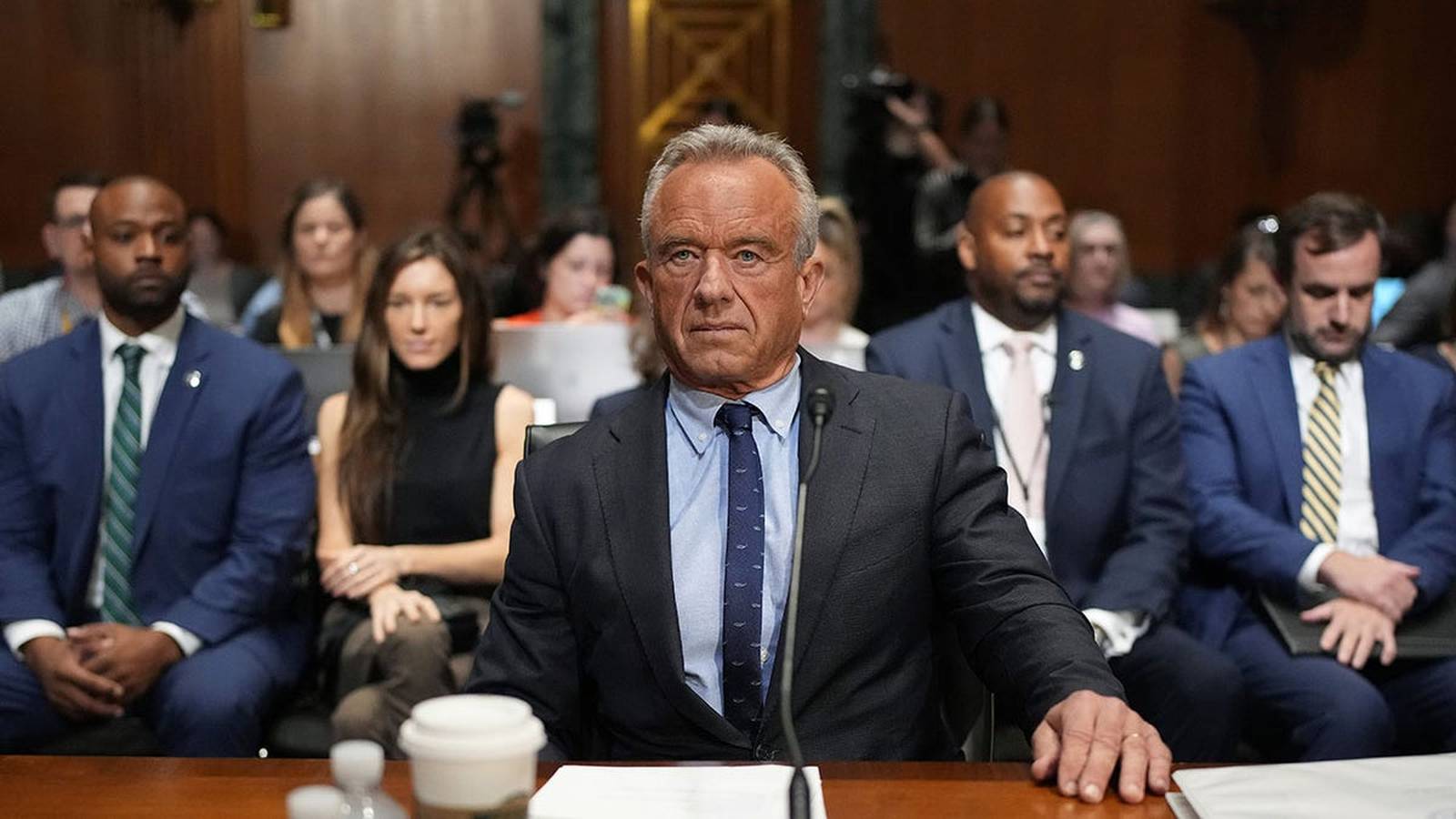
U.S. Health and Human Services Secretary Robert F. Kennedy Jr. is spearheading a significant push to loosen Food and Drug Administration (FDA) restrictions on approximately 14 popular peptide injections. The initiative, framed as a move to increase physician flexibility, has found a vocal ally in U.S. Senator Tommy Tuberville (R-Auburn), who has argued that medical professionals should be empowered to treat patients without what he terms ‘unnecessary regulatory barriers.’
However, this federal push is encountering resistance at the state level. The Alabama Board of Medical Examiners (ALBME) recently issued a formal warning to physicians, reiterating that prescribing or recommending ‘research-grade’ peptides—substances not approved by the FDA—remains illegal. The board emphasized that physicians cannot delegate the administration or recommendation of these unapproved substances to mid-level practitioners, citing significant patient safety concerns.
The Broader Landscape
The friction underscores a broader debate regarding the oversight of emerging medical trends fueled by social media. While advocates like Kennedy and Tuberville argue for greater access to experimental treatments, state regulators remain focused on the lack of rigorous clinical data. The Alabama board noted that while no specific injury prompted their recent alert, they have previously taken enforcement actions, including the suspension of a physician assistant’s license and the closure of a clinic in Cullman, Alabama, for distributing unapproved research-grade peptides.
As the debate continues, the Kennedy family name remains a focal point in American cultural discourse, albeit in different spheres. While the Secretary navigates health policy, the legacy of his late cousin, John F. Kennedy Jr., continues to draw public interest, highlighted by recent media scrutiny of dramatic portrayals of the Kennedy family and anecdotal recollections of the late icon’s private life. These cultural touchpoints serve as a reminder of the unique, often polarizing, public profile the Kennedy family continues to maintain in the modern American landscape.