


Escalating Strikes on Civilian Infrastructure
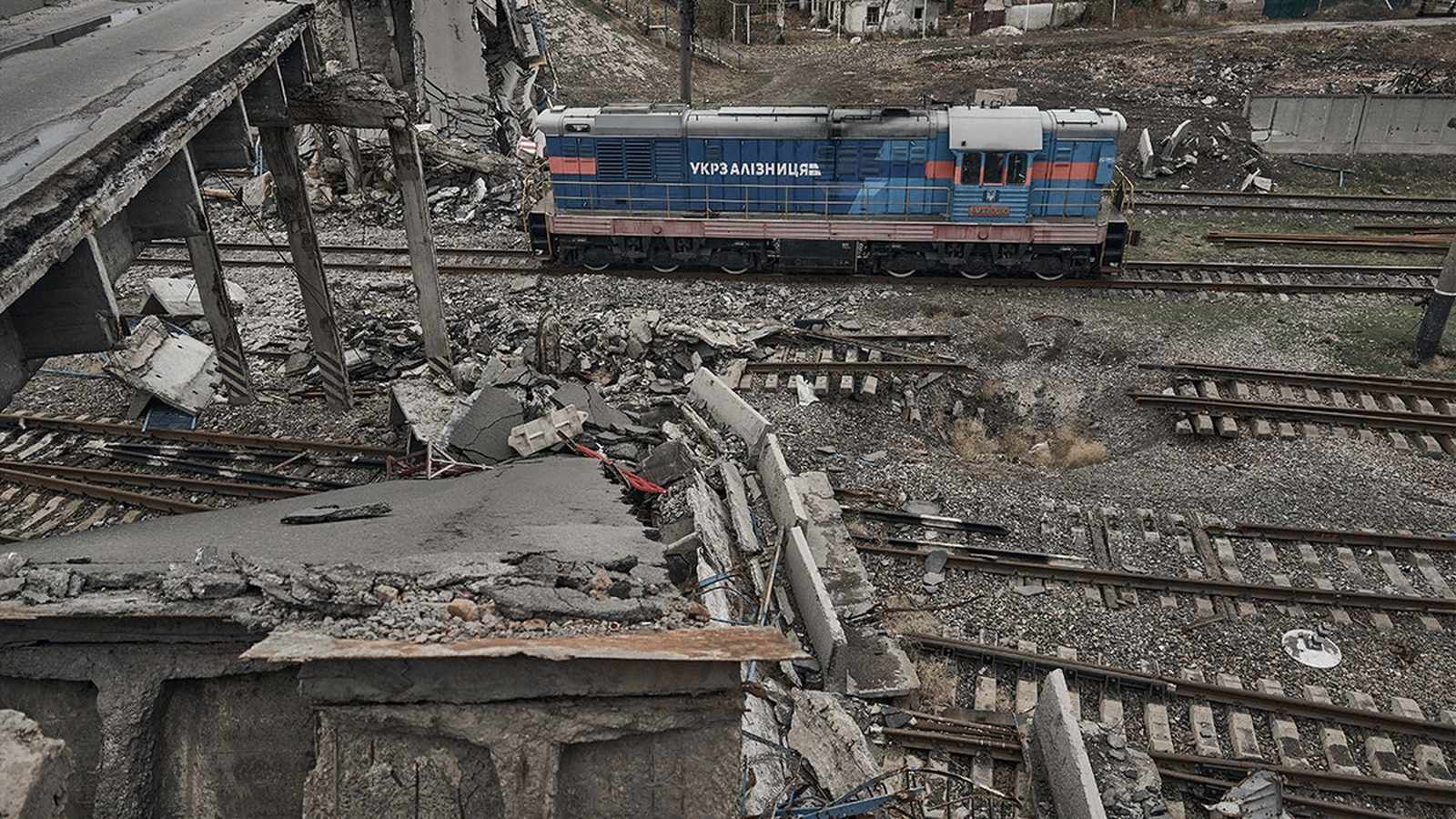
Russian forces have launched a series of targeted drone strikes against Ukraine’s civilian rail network, hitting commuter trains across multiple regions. According to the Izium City Military Administration, a Shahed drone strike on Wednesday morning hit the rear of a train in the Kharkiv region, resulting in injuries to six people and causing a significant fire. This follows a broader pattern of escalation; on Tuesday, Prime Minister Sergii Koretskyi reported that nearly 100 people were evacuated after a similar drone strike on a train in the northern Sumy region. In Zaporizhzhia, emergency services confirmed that a rail worker was killed during a “double-tap” strike, a tactic involving a secondary attack shortly after the first.
The Diplomatic Paradox
These strikes occur against the backdrop of renewed, high-level international efforts to secure a ceasefire. Following a visit by US envoys to Kyiv and Moscow, US President Donald Trump and Russian President Vladimir Putin held a one-hour phone call on Tuesday. Trump stated he had a “great” conversation with Putin, claiming that the Russian leader expressed a desire to “make a deal” to end the conflict. Kremlin spokesman Dmitry Peskov confirmed on Wednesday that Moscow remains interested in potential trilateral talks involving Kyiv and Washington.
Despite these diplomatic signals, the military reality on the ground remains volatile. US Undersecretary of Defence Elbridge Colby warned during an online meeting of coalition partners that the conflict could persist for years as Russia continues to reconstitute its forces and defense industrial capacity. Ukrainian and Western analysts note that while Moscow claims to be close to victory, it has struggled to achieve significant breakthroughs on the front line.
Institutional and European Context
The conflict continues to strain European political and economic structures. In Germany, Chancellor Friedrich Merz has reaffirmed the government’s commitment to supporting Ukraine, arguing that the nation is defending European freedom. This stance faces domestic pressure from the far-right Alternative for Germany (AfD), which recently achieved an historic electoral victory in Saxony-Anhalt and has criticized the cost of military aid. Concurrently, German foreign minister Johann Wadephul has pushed for Ukraine to prioritize procurement from German defense companies, citing the need for domestic economic justification for continued taxpayer-funded support.
Meanwhile, the European Union’s General Court dismissed a legal challenge from Hungary regarding the use of windfall profits from frozen Russian central bank assets. The court ruled it lacked jurisdiction over the matter, clearing the way for the continued allocation of funds—totaling roughly €8 billion—to support Ukraine’s defense.