


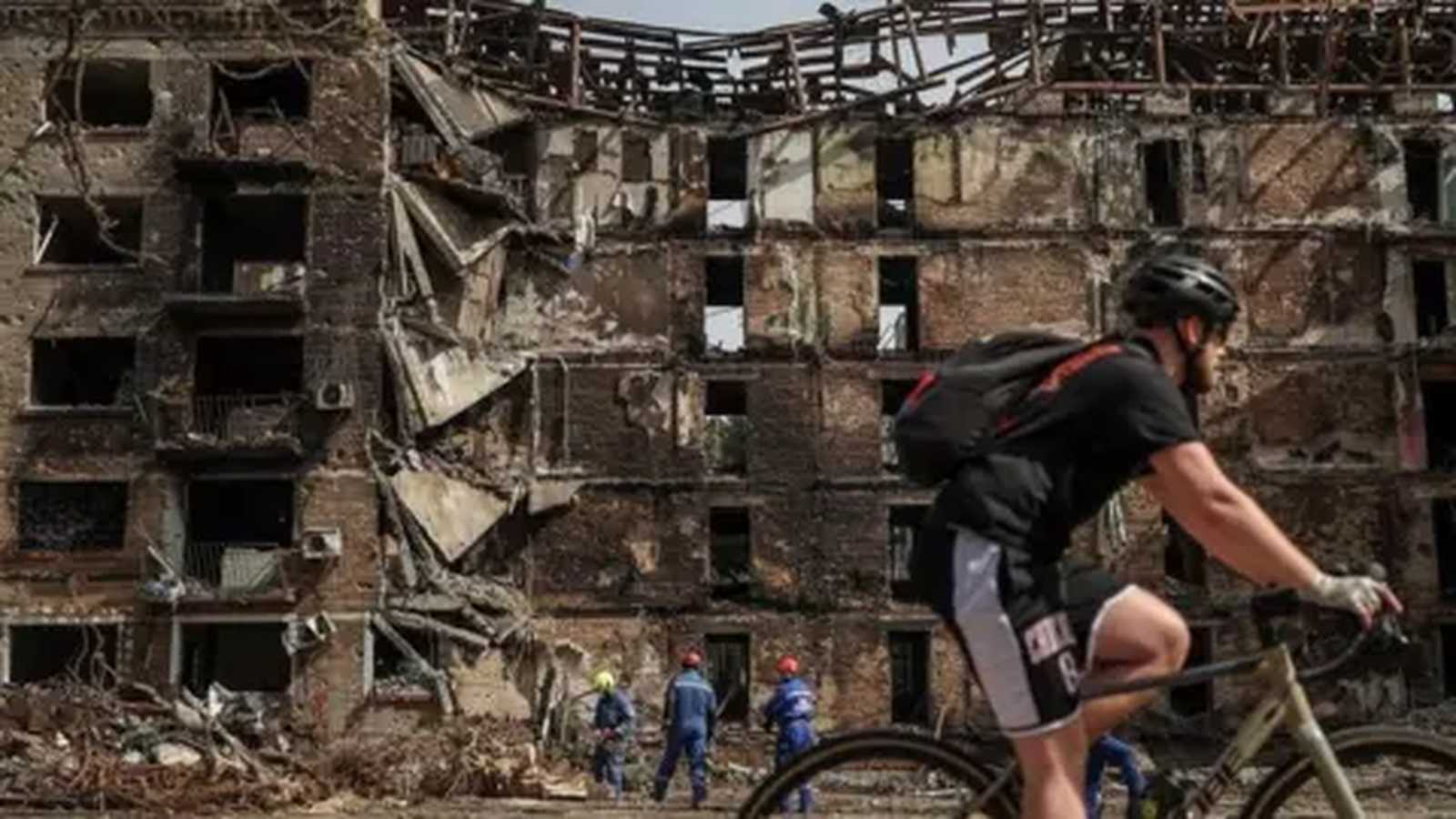
A Shift in Rhetoric and Strategic Intent
As the conflict in Ukraine enters its fifth year, the Kremlin has adopted an increasingly aggressive rhetorical stance, warning of “consistent, systematic strikes” on Kyiv’s military-industrial complex and advising foreign diplomatic missions to evacuate the capital. While large-scale bombardment of Ukrainian cities has been a hallmark of the war since its inception in 2022, the current intensity of Moscow’s language suggests a deliberate attempt to manage domestic narratives and project strength amidst battlefield stagnation.
The immediate catalyst for this surge in rhetoric is a dispute over a strike in Starobilsk, Luhansk province, where Moscow claims 21 students were killed. Ukraine maintains that the target was a legitimate Russian military drone facility. Military analyst Ivan Stupak suggests that this narrative framing is a mechanism for the Kremlin to manufacture a pretext for retaliation, effectively masking the strategic lack of progress on the front lines. By framing strikes as “revenge,” Moscow attempts to divert domestic attention from the mounting attrition rates and the diminishing returns of its current offensive operations.
Economic Mobilization and Manpower Constraints
The logistical reality of the conflict is becoming increasingly apparent through Moscow’s legislative maneuvers. President Vladimir Putin recently signed a decree offering debt relief of up to 10 million rubles (€119,646) for new military recruits. This policy, which covers debts incurred before May 1, reflects the severe manpower constraints facing the Russian armed forces. As recruitment figures continue to be outpaced by casualty counts, the state is forced to leverage its financial reserves—and the personal debt of its citizens—to sustain the war effort.
Nigel Gould-Davies of the International Institute for Strategic Studies notes that Russia is rapidly approaching a critical juncture where it must decide whether to fully mobilize its economy and society. The current reliance on financial incentives and specialized perks for veterans is a stop-gap measure to avoid the political instability that would likely follow a formal, mass mobilization. The economic reality is stark: military needs are now the primary driver of the Russian state budget, effectively placing the nation on a permanent war footing.
The Diminishing Efficacy of Aerial Bombardment
Despite the rhetoric, the tactical situation on the ground reveals a maturing Ukrainian defense. Over the weekend, Kyiv withstood a massive assault involving nearly 600 drones and 90 missiles, including the hypersonic Oreshnik system. While the Oreshnik represents a high-profile technological escalation, its operational impact remains limited, with analysts often categorizing its use as a propaganda tool rather than a war-winning capability. Ukraine’s ability to intercept the majority of these threats, despite a chronic shortage of Patriot interceptor missiles, underscores the resilience of its layered air defense network.
Ultimately, the current phase of the war is defined by a paradox: Russia is increasing its threats and expanding its legal framework to justify extraterritorial military intervention—as seen in the new law allowing the use of armed forces to protect Russian citizens abroad—while simultaneously grappling with internal industrial and demographic exhaustion. The shift in the character of the war favors Ukrainian defensive posture, yet the danger remains high as Moscow struggles to bridge the widening gap between its imperial ambitions and its operational capacity.